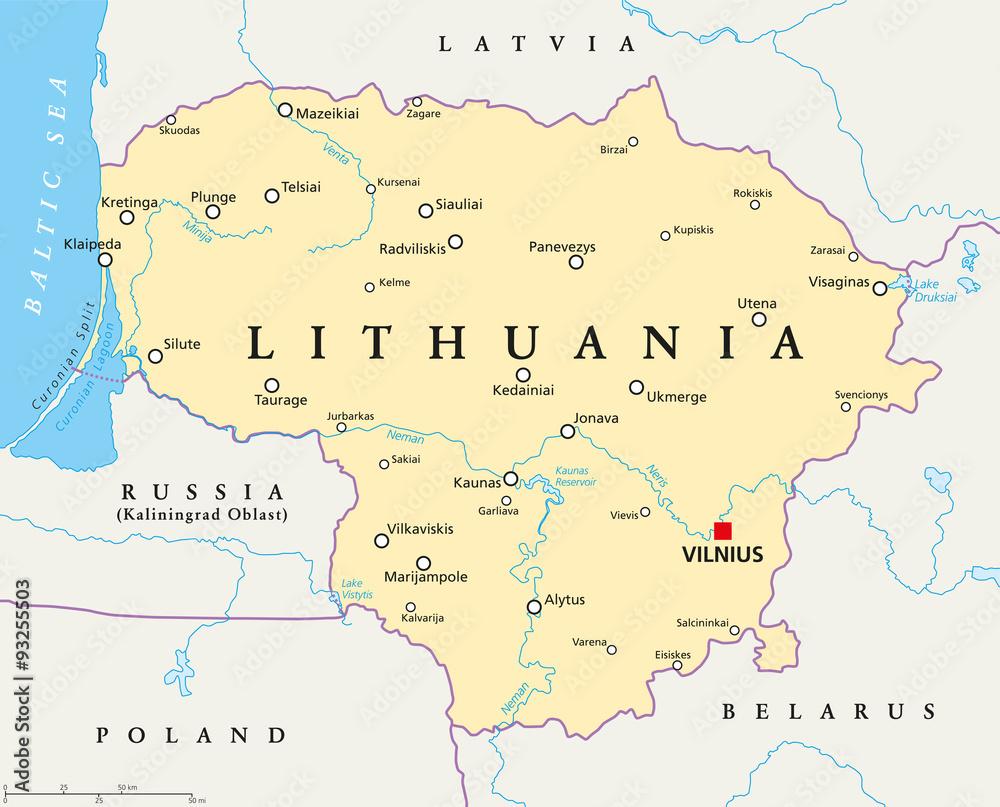
In a developing situation that highlights the ongoing tensions in Eastern Europe, Lithuania has officially accused Russia of escalating its operations to jam GPS signals across the region.This claim is part of a broader context of heightened military activity and cyber threats,which have increasingly drawn the attention of neighboring countries and international observers. The Lithuanian government has expressed deep concerns about the implications of these jamming operations on both national security and civil aviation safety. As the situation evolves, it underscores the complexities of regional stability and the potential for further geopolitical friction, particularly considering Russia’s recent maneuvers. In response,leaders within NATO and the European Union are closely monitoring developments,recognizing the strategic importance of safeguarding technological infrastructures in a landscape marked by disinformation and aggression.
Lithuania Raises Alarm Over Escalating Russian GPS Jamming Tactics
In a concerning turn of events, Lithuania’s authorities have expressed deep worries regarding Russia’s escalating operations aimed at disrupting GPS signals across the region. This strategic maneuver has been noted particularly around military exercises and sensitive infrastructure,raising alarms not only within Lithuania but also among neighboring nations. Lithuanian officials reported a marked increase in the frequency and intensity of jamming incidents,which have adversely affected both civilian and military activities. The implications of this aggression extend beyond navigation systems, potentially jeopardizing a multitude of operations reliant on satellite technology.
Officials emphasize the critical need for enhanced defense measures to counteract these malicious tactics. Such initiatives may include strengthening the robustness of GPS systems and exploring alternate navigation solutions to ensure operational continuity in the face of these threats. Key points outlined in a recent briefing include:
- Increased Monitoring: Regular assessments of GPS integrity to trace interference sources.
- Collaboration with NATO: Intensive dialogues within the alliance to strategize counter-jamming techniques.
- Public Awareness Campaigns: Informing civilians about potential GPS disruptions.
Implications for Regional Security and International Response Measures
The recent allegations from Lithuania regarding intensified GPS jamming operations attributed to Russia have significant ramifications for regional security, particularly in Eastern Europe and the Caucasus. The interruptions in navigation and communication systems could undermine military readiness and coordination among NATO allies, prompting discussions on enhancing defensive measures. Authorities are concerned that such tactics might not only disrupt civilian infrastructure but could also be precursors to more aggressive military maneuvers.This situation necessitates a vigilant response from the international community, promoting stronger collaboration among Lithuania and its allies.
Considering these developments,a range of response measures could be employed by affected nations and organizations,including:
- Increase in military readiness: NATO forces may enhance their presence and conduct joint exercises in response to perceived threats.
- Technological countermeasures: Investment in robust GPS alternatives and jamming countermeasures to safeguard critical national infrastructure.
- Diplomatic efforts: Engaging in dialog with Russia to address these provocations and prevent escalation.
| Type of Response | Description |
|---|---|
| Military | Increased NATO presence and exercises. |
| Technological | Advancement of GPS alternatives and counter-jamming technologies. |
| Diplomatic | Engagement with Russia to reduce tensions. |
Recommendations for Strengthening GPS Integrity and Monitoring Systems
In light of the escalating GPS jamming operations attributed to Russia, it is vital for nations affected by this interference to bolster their integrity assurance and monitoring systems. Enhancing technological resilience can be achieved through several key measures:
- Investment in Anti-Jamming Technologies: Countries should prioritize research and development of advanced anti-jamming and spoofing technologies to safeguard GPS accuracy.
- Enhanced Satellite Monitoring: Establishing a network of monitoring stations globally can help in identifying jamming activities swiftly and accurately.
- International Collaboration: Forming alliances with other nations to share intelligence and best practices on GPS protection can considerably improve response capabilities.
- Public Awareness Campaigns: Educating businesses and the public on recognizing the signs of GPS disruption can enhance overall situational awareness and preparedness.
Furthermore, governments should consider implementing thorough policies aimed at securing critical infrastructure that relies on GPS technology. A focused strategy could include:
| Policy Initiative | Description |
|---|---|
| Resilient Communications | Develop alternative communication systems to back up GPS services. |
| Regulatory Frameworks | Create stringent regulations targeting malicious GPS interference. |
| Public-Private Partnerships | Encourage collaborations between government and private sectors to bolster security measures. |
In Retrospect
Lithuania’s allegations of increased GPS jamming activities by Russia underscore escalating tensions in the region and raise concerns regarding both national security and safety in air and maritime navigation. As Lithuania seeks to bolster its defenses against these disruptive actions, the situation highlights the broader geopolitical implications of technological warfare and the ongoing struggle for dominance in Eastern Europe. As developments continue to unfold, both regional and international stakeholders will be closely monitoring the responses from Moscow and the potential ramifications for security cooperation among NATO allies.