
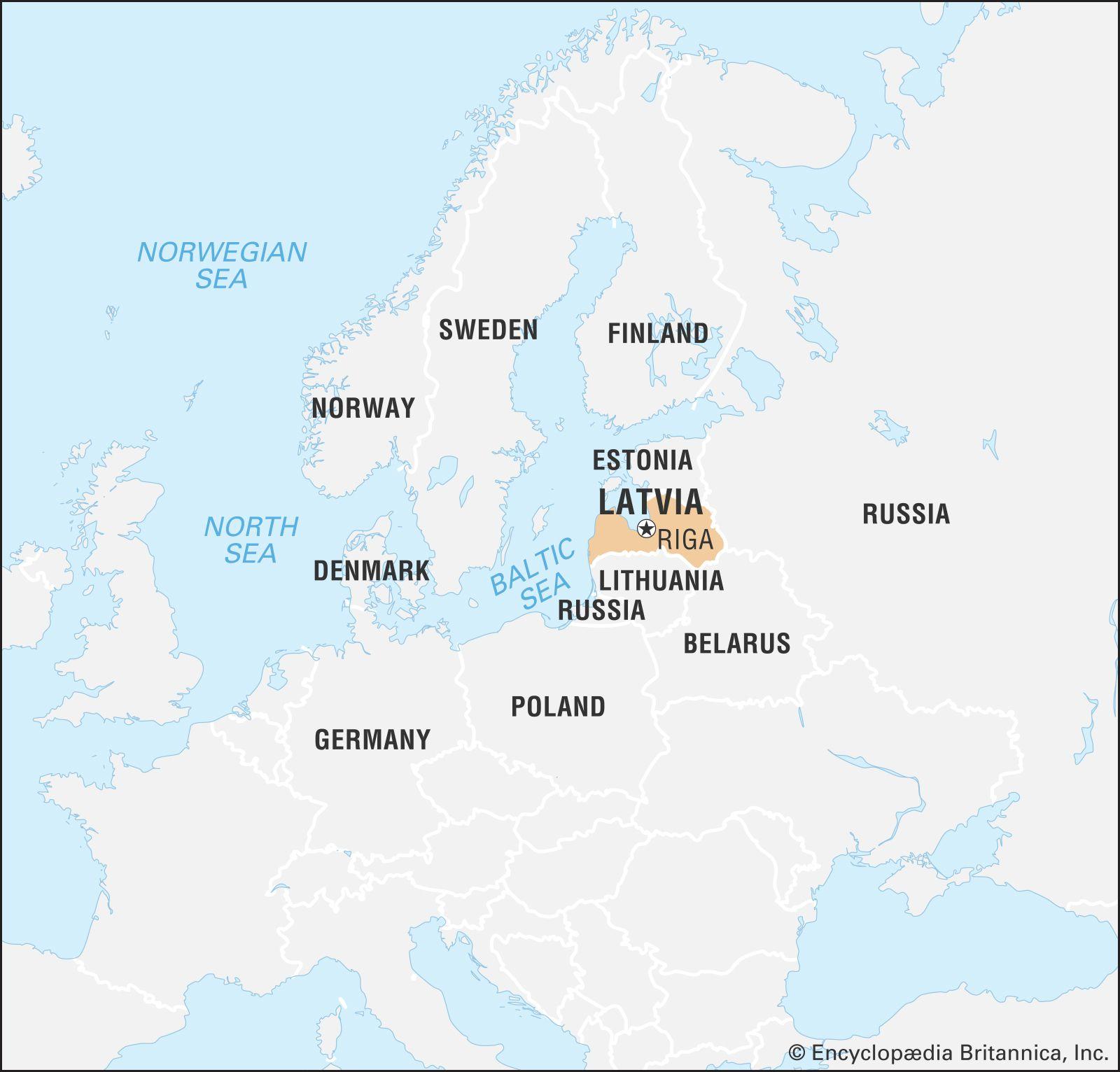
In a significant move reflecting growing tensions in Eastern Europe, Latvia has officially urged fellow European Union member states to halt the issuance of schengen visas to Russian citizens.This call comes amid heightened concerns over security and the geopolitical implications of unrestricted movement within the schengen Area, notably following Russia’s continued military actions in Ukraine. Latvian officials argue that allowing Russian nationals to freely travel across Europe undermines solidarity among EU countries and poses potential risks to regional stability. As the EU grapples with its response to the ongoing conflict and the broader implications for immigration policy, Latvia’s stance adds a provocative dimension to the ongoing discourse surrounding the Schengen Agreement and its future in an increasingly polarized world.
Latvia Advocates for a unified EU Response to Russian Visa Issuance
In a bold move that underscores its position amid rising geopolitical tensions, Latvia has called for a concerted effort among European Union member states to halt the issuance of Schengen visas to Russian citizens.This initiative is rooted in growing concerns over the implications of granting free movement to individuals from a country whose government is accused of undermining international peace and stability. Latvian officials argue that such a policy shift would send a strong message regarding the EU’s commitment to confronting aggression and promoting solidarity amongst member states.
Latvia’s proposal emphasizes the necessity for a unified front within the EU, suggesting that the bloc must align its visa policies with its broader strategic objectives. Key points of discussion include:
- National Security: Potential risks associated with unchecked migration from Russia.
- Human Rights Considerations: Examining the conditions within Russia and the treatment of dissenters.
- Economic Sanctions: Assessing the effectiveness of current sanctions against Russia and how visa policies intersect with these efforts.
This initiative aligns with recent discussions in EU forums, highlighting the need for cohesive action amid diverse political opinions among member states. While not all EU nations share Latvia’s perspective, the conversation is crucial in shaping the EU’s future stance towards Russia.
Impacts of Schengen Visa Restrictions on Russian Citizens and EU Security
the recent call by Latvia to halt the issuance of Schengen visas to Russian citizens has ignited a significant debate surrounding the implications for both the individuals affected and the security landscape of the European Union.Proponents argue that restricting access is a necessary response to the ongoing geopolitical tensions, asserting that it serves to enhance EU security measures. Those in favor of such restrictions contend that limiting travel for Russian nationals is a way to prevent potential risks associated with espionage and the facilitation of undesirable activities across EU borders.
Though, the consequences of implementing these visa restrictions extend beyond immediate security concerns. Denying Schengen access to a broad group of individuals can be seen as an infringement on basic rights and freedoms, particularly affecting individuals who are not involved in political activities or dissent. Many Russians who seek to travel for humanitarian purposes, education, or legitimate business engagement are caught in the crossfire of political decisions. This policy could lead to increased isolation of Russian society and a widening gap in understanding between Russia and Europe, perhaps hindering diplomatic efforts. Consider the following key aspects:
- impact on Personal Freedom: Many Russians may find their opportunities to explore and connect globally severely limited.
- Economic Consequences: Limiting visa access could affect Russian businesses seeking EU partnerships, ultimately impacting economic ties.
- Monitoring and Control: The EU may need to enhance monitoring systems for travel to ensure that restrictions are effectively implemented.
Strategic Recommendations for EU States in Managing Russian Visa Policies
As tensions between Russia and the European Union continue to escalate, it is essential for EU member states to adopt a unified approach towards the issuance of Schengen visas to Russian nationals. Considering recent calls from Latvia, the following strategic recommendations could facilitate a more coherent response:
- Standardize Visa Policies: Implement a consistent framework across EU states to reduce discrepancies in visa approval processes, effectively signaling a united front.
- Enhanced Scrutiny Measures: Increase the scrutiny of visa applications from Russian citizens, focusing on individuals who may pose security risks.
- Diplomatic Coordination: Foster interaction among EU governments to share intelligence and best practices for managing Russian visa applications.
- Use of Technology: Invest in digital tools for better tracking and analysis of visa applications,facilitating an informed decision-making process.
Additionally, member states might consider the following implications in their strategic planning:
| Proposal | Potential Impact |
|---|---|
| Unified Visa Policy | Strengthens EU solidarity and deters potential threats. |
| Increased Visa Scrutiny | Reduces risks associated with non-compliance of international law. |
| Enhanced Cooperation | Improves response times and effectiveness in dealing with escalations. |
Key Takeaways
Latvia’s call for EU member states to halt the issuance of Schengen visas to Russian nationals marks a significant stance in the ongoing geopolitical tensions surrounding Russia’s actions.As the debate continues among EU leaders, the implications of such a decision could resonate beyond borders, influencing diplomatic relations and security policies across Europe. The response from other member states will undoubtedly shape the future of visa regulations, reflecting a collective evaluation of security, solidarity, and international law. As this story develops, it will be crucial to monitor the reactions from both the EU and the Russian government, as well as the potential impact on the lives of ordinary Russian citizens seeking to travel in Europe. For now, the conversation surrounding this sensitive topic remains in the spotlight, underscoring the complexities of unity and division within the European Union.










