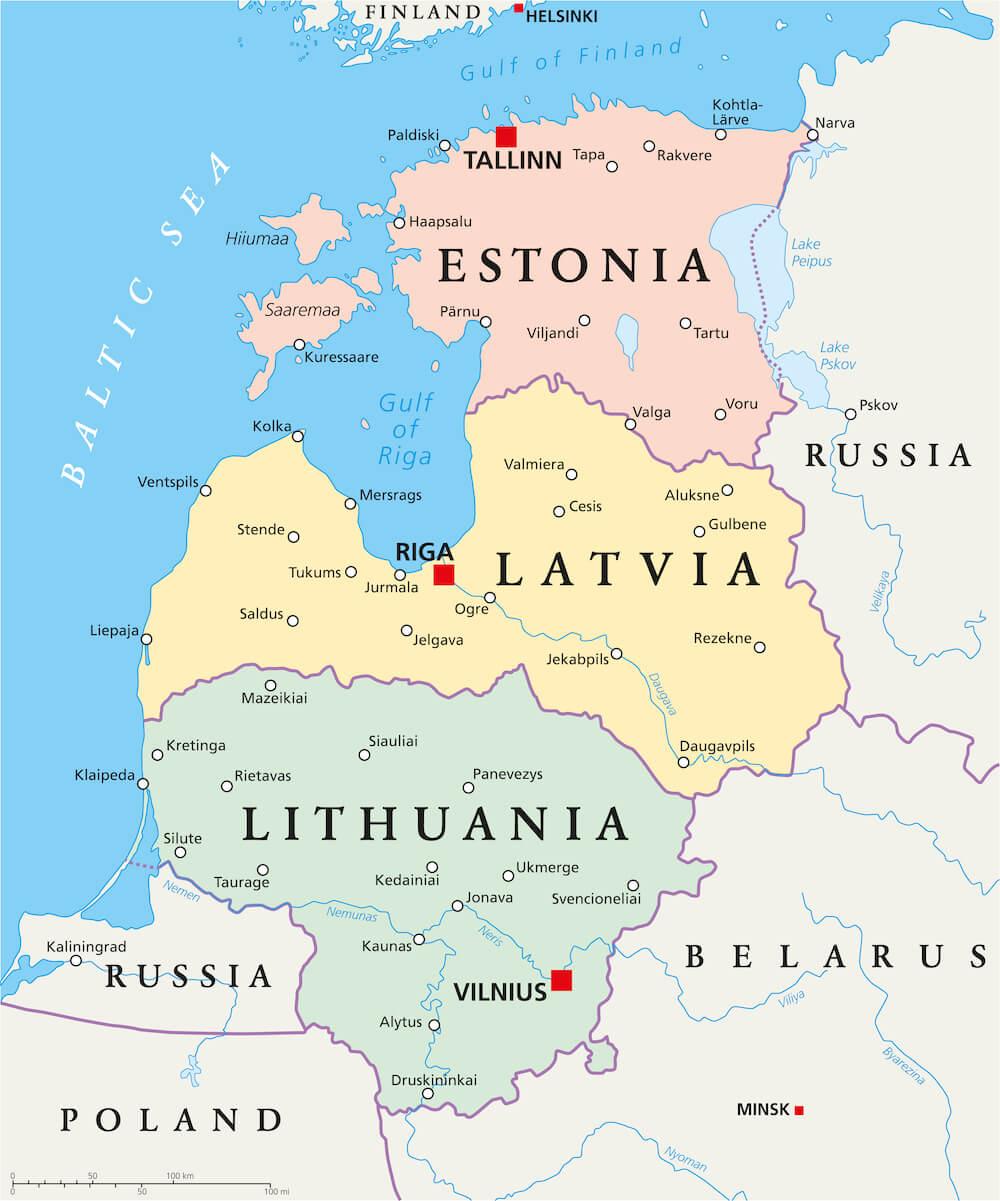
Baltic Nations Embrace European Power Grid, Signifying a Major Shift from Russian Energy Reliance
In a landmark development aimed at achieving energy autonomy and enhancing regional security, the Baltic nations—Estonia, Latvia, and Lithuania—have successfully integrated their electricity systems with the European Union’s power grid. This decisive action effectively ends their historical dependence on Russian energy sources. Completed amidst escalating geopolitical tensions and a unified desire for increased independence, this transition highlights the Baltic states’ dedication to adopting Western energy standards and practices. Officials have celebrated this milestone as crucial for regional stability, reflecting broader initiatives to fortify resilience against external pressures while promoting energy diversification in an evolving global context. As these nations embark on this new journey, it raises significant questions about the implications for European energy politics and potential impacts on relations with Russia.
Baltic Nations Adopt European Power Grid Boosting Energy autonomy
In a groundbreaking initiative designed to strengthen their energy sovereignty,Estonia,Latvia,and Lithuania have transitioned to an interconnected European power grid.This strategic realignment is expected to enhance their energy security while facilitating the integration of renewable resources within the region. By connecting with continental Europe’s electrical network, these countries are aligning their policies with broader EU objectives aimed at creating a more resilient energy framework.
The advantages of this transition are significant:
- Enhanced Energy Security: Reducing reliance on Russian sources will better protect these nations from potential geopolitical conflicts.
- Improved Market Competition: Gaining access to a larger European market will foster competition that benefits consumers through lower prices and enhanced services.
- Promotion of Renewable Energy: Integration into Europe’s grid supports cleaner technologies and sustainable practices across all sectors.
This pivotal shift not only reinforces each nation’s commitment to achieving greater independence but also sends a powerful message globally regarding the necessity of diversifying energy sources amid changing international dynamics.
Impact of Transition on Regional Security and Economic viability
The Baltic states’ departure from Russia’s power infrastructure represents an essential turning point in regional security dynamics. By aligning themselves with EU standards in terms of electricity supply systems, Estonia, Latvia, and Lithuania aim to bolster resilience against potential threats emanating from Moscow. This strategic maneuver is anticipated to enhance collaboration among these three countries by strengthening collective defense capabilities while diminishing reliance on an unpredictable neighbor. Furthermore, it coudl inspire other eastern European nations to reevaluate their own strategies concerning energy security as they seek closer ties with Western Europe.
This transition also holds vital implications for economic stability within the region. With deeper integration into EU markets expectedly leading toward improved efficiency in energy use alongside increased investments in renewable technologies; job creation may follow suit along with economic diversification efforts that promote sustainable growth models moving forward.Tho challenges such as necessary infrastructure upgrades or short-term fluctuations in pricing must be addressed adequately during this transitional phase.
Key considerations include:
- Boosted Energy Security: Less vulnerability towards geopolitical tensions involving Russia.
- Smoother Market Integration: strengthened connections within larger European markets.
- Pursuit of Renewable Investments: Opportunities arising from advancements made within green technology sectors.
- Necessity for Infrastructure Development: Upgrades required supporting newly established connections between grids across borders.
Strategies for Future Energy Policy & Infrastructure Growth in Baltics
The recent alignment of Baltic states’ electrical networks signifies an important moment regarding future policy direction surrounding regional energies moving forward; thus several recommendations should be considered further enhancing both resilience levels alongside overall efficiency throughout existing infrastructures:
- Pursuing Renewable Sources Investment: focus efforts towards developing solar panels wind turbines biomass facilities reducing dependency upon imported fossil fuels over time .
- < strong > Smart Grid Technology Implementation : Introduce advanced management systems capable monitoring real-time data optimizing distribution processes efficiently .
- < strong > Strengthening Regional Partnerships : Cultivate collaborations neighboring countries ensuring shared investments bolstering collective security measures .
Additionally , implementing specific infrastructure projects could play critical roles supporting sustainable futures :
| Infrastructure Initiative | Description< /th > < /tr > < /thead > |
|---|---|
| Cross-Border Interconnectors< /td >< td>Create additional connection points Poland Finland enabling stable exchanges power between regions.< /td > | |
Final Thoughts
The successful integration of Baltic states into Europe’s electricity network marks not just infrastructural advancement but also signifies profound geopolitical shifts away from long-standing dependencies upon Russian resources. This transformative step enhances local energies securing aligns them closely together under common policies initiatives set forth by EU authorities . As Estonia , Latvia , lithuania continue forging ahead integrating fully into wider marketplace ramifications extend beyond mere logistics reflecting deeper commitments sovereignty stability cooperation facing emerging threats regionally globally alike ; positioning themselves favorably amongst peers community years ahead!


Tanzania’s Construction Boom: Can the Sector Surpass Sh40 Trillion Despite Affordability Hurdles?
Tanzania's construction sector is on the brink of an exhilarating transformation, projected to reach a staggering Sh40 trillion! This remarkable...
Read moreDetails