
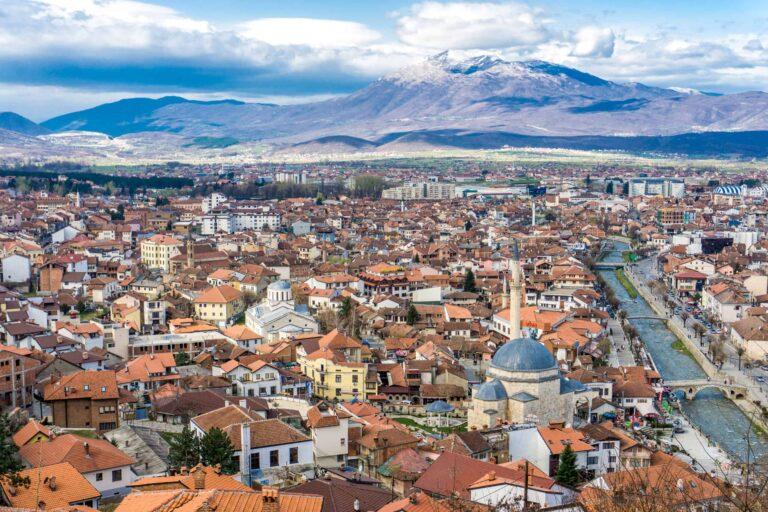
Kosovo’s Economic Future: A Closer Look at EBRD Investments
As Kosovo navigates the complexities of post-conflict recovery and economic development, the European Bank for Reconstruction and Development (EBRD) emerges as a pivotal player in shaping the region’s financial landscape. Established to foster economic transition in Eastern Europe, the EBRD has committed significant resources to bolster Kosovo’s infrastructure, energy sector, and private enterprise. This article explores the bank’s strategic investments and projects in Kosovo, delving into their potential impact on local communities and the broader economy. Amidst ongoing challenges, such as political instability and unemployment, the EBRD’s involvement may not only catalyze growth but also pave the way for Kosovo’s integration into the European market. As the nation strives for sustained development and greater resilience, the role of international finance institutions like the EBRD could prove crucial in steering Kosovo towards a more prosperous future.
Kosovo’s Economic Landscape: EBRD’s Role in Driving Sustainable Growth
Kosovo is undergoing a transformative phase in its economic development, with the European Bank for Reconstruction and Development (EBRD) playing a pivotal role.As its engagement in the region, the EBRD has focused on enhancing both private and public sectors, facilitating significant investments that aim to bolster sustainable growth. Key areas of focus include:
- Infrastructure Development: Significant financing for roads, energy, and urban projects to improve connectivity and enhance living standards.
- Small and Medium Enterprises (SMEs): Initiatives aimed at strengthening the entrepreneurial ecosystem and providing access to finance, thereby fostering job creation.
- Green Investments: Support for projects that promote renewable energy and energy efficiency, addressing environmental challenges.
Through its strategic partnerships with local governments and businesses, the EBRD has contributed to a notable increase in foreign direct investment. The bank has implemented tailored programs that prioritize economic inclusiveness and resilience, ensuring that growth benefits a broader segment of the population. A brief overview of recent initiatives is illustrated in the table below:
| Initiative | Description | Impact |
|---|---|---|
| Green Energy Project | Promotion of solar and wind energy solutions | Reduction of carbon footprint |
| SME Financing Program | Loans and grants to local businesses | Support for 1,500 jobs |
| Public Infrastructure Fund | Investment in transportation networks | Improved access to markets |
Strategic Investments: EBRD’s Focus on Infrastructure and Energy in Kosovo
The European Bank for Reconstruction and Development (EBRD) is making significant strides in strengthening Kosovo’s infrastructure and energy sectors. With an investment strategy focused on promoting sustainable economic development,the EBRD has allocated funding towards various key projects. This initiative aligns with Kosovo’s ambitions to enhance its energy security and drive infrastructure development, which are critical for attracting foreign investments and improving local living standards. The bank’s involvement not only aims to modernize existing facilities but also to foster innovative solutions such as renewable energy sources and energy efficiency initiatives.
Among the pivotal projects, the EBRD has pinpointed investments in the following areas:
- Renewable Energy Projects: Supporting solar and wind energy initiatives to diversify energy sources.
- Transport Infrastructure: Enhancing road networks and public transportation systems to facilitate better connectivity.
- Water Management Systems: Upgrading water supply networks and waste management systems for improved public health.
| Project | Investment Amount | Expected Outcome |
|---|---|---|
| Solar Energy Farms | €5 million | Increased renewable energy capacity |
| Road Rehabilitation | €10 million | Improved transport efficiency |
| Water Supply Upgrades | €3 million | Enhanced public health and sanitation |
Recommendations for Policy Makers: Strengthening Financial Mechanisms to Support EBRD Initiatives
To effectively bolster the European Bank for Reconstruction and Development (EBRD) initiatives in Kosovo, policy makers must prioritize the development of robust financial mechanisms. These mechanisms should ensure greater accessibility to funding for local businesses and infrastructure projects, ultimately driving sustainable economic growth. Key areas for attention include:
- Enhancing Public-Private Partnerships (PPPs): By fostering collaboration between government and private entities, Kosovo can leverage additional financial resources for critical projects.
- Improving Access to Credit: Streamlining processes for small and medium-sized enterprises (SMEs) to secure loans will invigorate the local economy.
- Establishing Innovation Funds: Creating dedicated funds targeted at technology and renewable energy startups can stimulate new industries.
Moreover, it’s essential for policy makers to adopt policies that support the sustainability of these financial frameworks.This includes the development of a comprehensive risk assessment strategy that evaluates potential investments and encourages international cooperation.A focus on transparency and accountability will enhance investor confidence. Actionable recommendations include:
- Implementing Regular Audits: Periodic reviews of financial programs will ensure effective allocation of resources.
- Promoting Financial Literacy: Educating entrepreneurs and business owners about available funding options will help in maximizing resource utilization.
- Fostering Legislative Support: Crafting legislation that incentivizes foreign investment can lead to increased financial inflows.
The Conclusion
As Kosovo continues to navigate its path toward economic stability and growth, the role of institutions like the European Bank for Reconstruction and Development (EBRD) remains crucial. Through targeted investments and strategic partnerships, the EBRD is not only bolstering key sectors such as infrastructure and energy but also fostering a conducive environment for private sector development.As the nation seeks to enhance its economic resilience and integration within Europe, the collaborative efforts between Kosovo and the EBRD herald a future of potential growth and prosperity. As developments unfold,stakeholders will be watching closely to see how these investments translate into tangible benefits for the people of Kosovo,underscoring the importance of continued international support and engagement in this evolving landscape.










