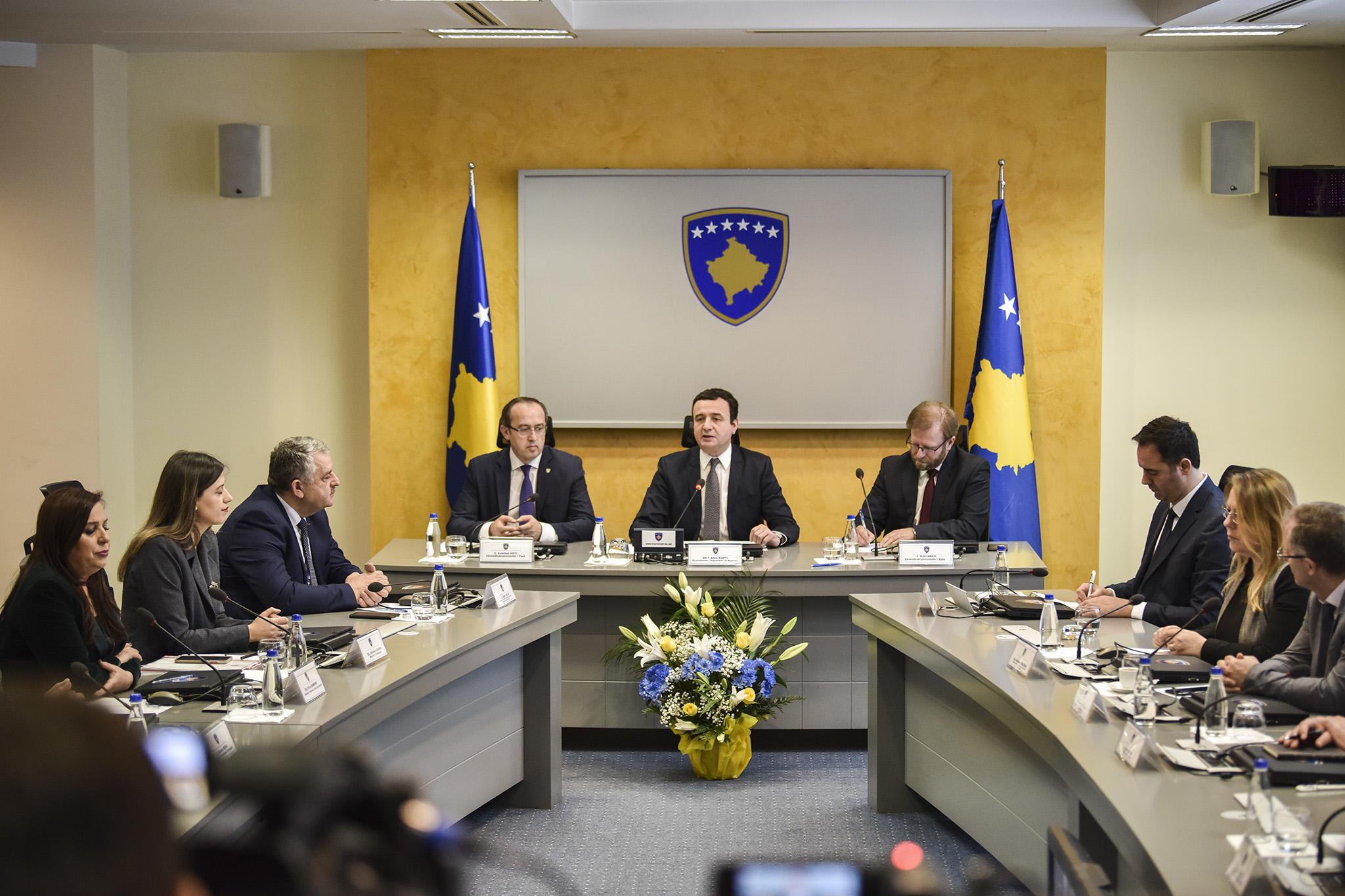
In the complex geopolitics of the Balkans, Kosovo finds itself at a critical juncture as it embarks on a new chapter of governance. The incoming government, tasked with addressing a myriad of domestic challenges, faces an uphill battle in securing vital support from both the United States and the European Union. With the backdrop of shifting alliances and heightened geopolitical tensions, the government’s ability to navigate these relationships will be crucial in determining Kosovo’s future stability and prosperity. As international stakeholders watch closely, the administration’s approach to key issues such as regional dialogue, economic reform, and rule of law will significantly influence its quest for legitimacy and support on the global stage. This article delves into the challenges ahead for Kosovo’s new leadership and the broader implications for the region’s stability and integration into European and transatlantic structures.
Kosovo’s New Leadership Navigates Complex Diplomatic Landscape
The recent electoral shift in Kosovo presents a significant challenge for its new government as it endeavors to cultivate alliances with both the United States and the European Union. Strategic diplomacy is crucial, particularly in light of the delicate balance of power in the Balkans and ongoing discussions surrounding Kosovo’s status. Leaders are expected to prioritize several key areas to enhance their international standing:
- Strengthening Rule of Law: Reinforcing democratic institutions and legal frameworks will be critical in gaining international credibility.
- Economic Development: Fostering economic growth and stability is essential for garnering both US and EU interest.
- Regional Cooperation: Engaging with neighboring countries to promote a collaborative approach will reflect a commitment to peace and stability.
However, the complexities of navigating Kosovo’s unique political landscape are compounded by various historical and ethnic challenges. The incoming leadership must also manage internal dissent and differing public opinions regarding foreign policy. As they embark on this multifaceted journey, they will need to address pressing issues that resonate with both Kosovo citizens and international partners:
| Key Issues | Description |
|---|---|
| Corruption | Battling corruption remains a priority to ensure transparency and accountability. |
| Minority Rights | Upholding the rights of various ethnic groups is pivotal for national unity. |
| Integration with Europe | Maintaining a clear vision for EU integration will help attract necessary political support. |
Strengthening Alliances: Strategies for Engaging the US and EU
The success of Kosovo’s incoming government in securing support from the US and EU hinges on a multifaceted strategic approach. Key initiatives could include:
- Strengthening Diplomatic Ties: Engaging in high-level diplomatic dialogues that focus on shared interests and long-term partnerships.
- Fostering Economic Collaborations: Developing trade agreements that promote mutual economic benefits, emphasizing sectors where both Kosovo and its allies can thrive.
- Enhancing Security Cooperation: Involvement in joint military exercises and intelligence-sharing agreements to build trust and demonstrate commitment to collective security.
Furthermore, building a robust public narrative in both the US and EU about Kosovo’s potential as a strategic ally could play a crucial role. This can be achieved through:
- Highlighting Success Stories: Showcasing successful reforms and positive changes that underscore Kosovo’s commitment to democratic values.
- Cultivating Grassroots Support: Mobilizing diaspora communities to advocate for Kosovo’s interests within their host countries.
- Engaging Think Tanks and Influencers: Partnering with influential institutions to shape and elevate the discourse surrounding Kosovo in policy-making circles.
Economic Reforms as a Cornerstone for Gaining International Support
For Kosovo’s new government, implementing comprehensive economic reforms is not merely an option; it is a necessity for securing vital support from the United States and the European Union. Recognizing the intertwined nature of economic stability and political legitimacy, policymakers must focus on reforms that can foster a resilient economy capable of attracting foreign investment and enhancing international partnerships. Key areas of focus should include:
- Strengthening the Rule of Law: Ensuring that legal frameworks are robust and transparent to bolster investor confidence.
- Reducing Bureaucracy: Streamlining processes for starting and running businesses to encourage entrepreneurship.
- Promoting Innovation: Investing in technology and educational initiatives to create a skilled workforce prepared for the global market.
- Enhancing Infrastructure: Upgrading transportation and communication networks to facilitate trade and investment.
Furthermore, establishing strategic partnerships with international financial institutions can provide the needed resources and expertise to execute these reforms effectively. By aligning economic policies with EU standards and showcasing a commitment to democratic governance, Kosovo can position itself as a viable partner in the region. The following table highlights potential reform areas alongside expected outcomes:
| Reform Area | Expected Outcome |
|---|---|
| Tax Incentives | Increased Foreign Investment |
| Anti-Corruption Measures | Improved Political Stability |
| Labor Market Reforms | Lower Unemployment Rates |
| Trade Agreements | Broader Market Access |
Key Takeaways
In conclusion, Kosovo’s incoming government stands at a critical juncture as it seeks to navigate the complex political landscape to secure vital support from both the United States and the European Union. With rising domestic challenges and regional tensions, the new administration will need to adopt a nuanced approach that fosters dialogue and cooperation. The outcome of this pursuit will not only shape Kosovo’s political future but also influence the broader dynamics of stability in the Balkans. As the government lays out its agenda and priorities, the international community will be watching closely, ready to assess the implications of its actions on the long-standing quest for greater European integration and regional peace. The road ahead is undoubtedly steep, but the stakes could not be higher for Kosovo’s path to prosperity and recognition on the global stage.