
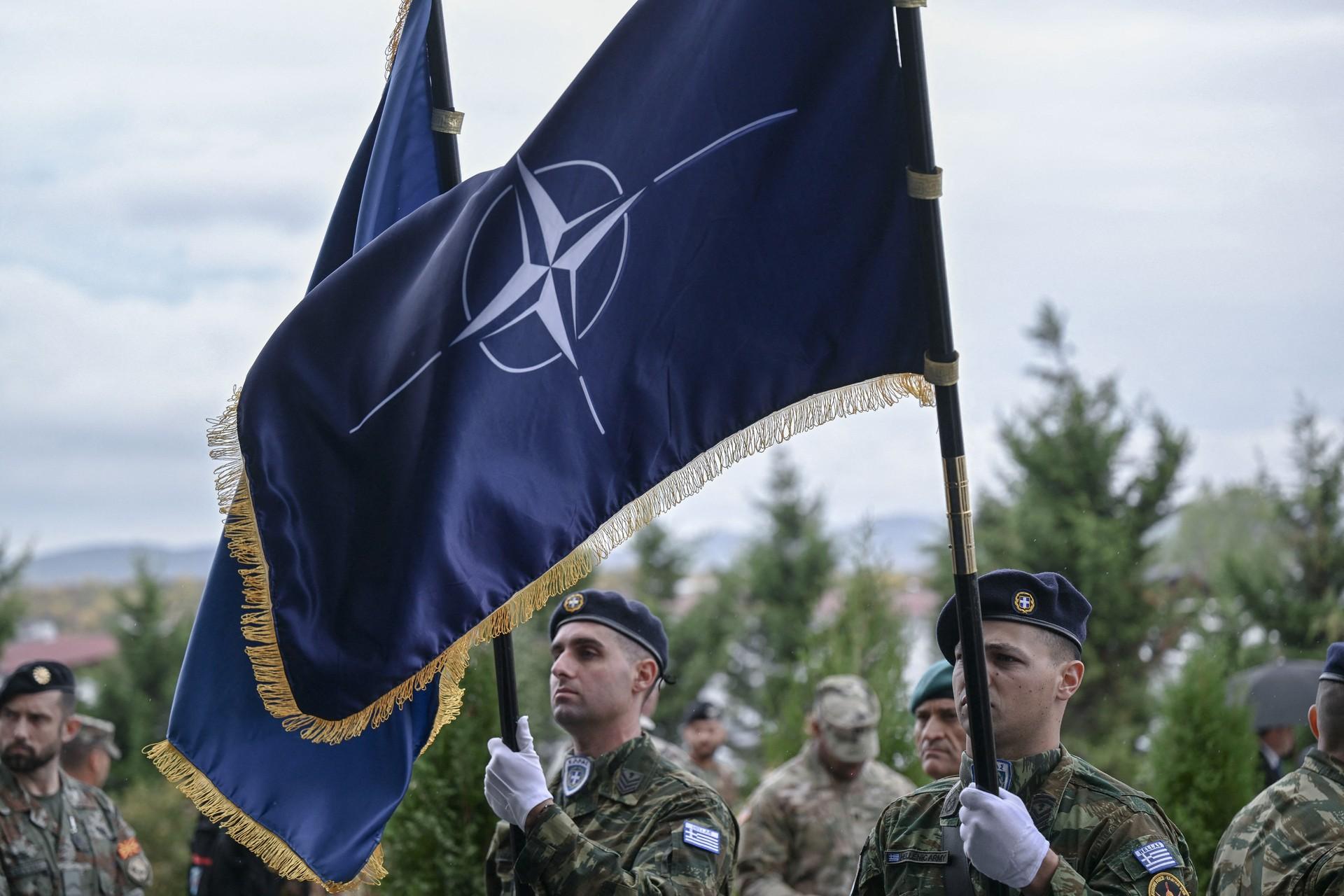
In a meaningful advancement in regional security dynamics, Germany has announced the extension of its military missions in Lebanon and Kosovo for another year. This decision reflects Berlin’s commitment to international peacekeeping efforts amid ongoing geopolitical tensions and instability in both regions. With a focus on supporting local forces and contributing to stability, the German military has been an integral part of international missions in Lebanon since 2006 and in Kosovo since 1999. As global security challenges evolve,Germany’s renewed mandate underscores the nation’s role in fostering peace and security in some of Europe’s most complex contexts.
Germany’s Decision to Extend Military Presence Reflects Evolving Regional Security Dynamics
Germany’s recent decision to extend its military missions in Lebanon and Kosovo highlights a significant shift in how the nation approaches its role in regional security. With the complexities surrounding the geopolitical landscape in Europe and the Middle East, this move is not merely procedural but indicative of a proactive stance in confronting emerging threats. Specifically, the German government aims to strengthen stability and peacekeeping efforts in these areas, which remain fraught with tension and uncertainty. Key motivations for this extension include:
- Increased regional instability: Ongoing conflicts necessitate a steady presence to deter escalation.
- Commitment to NATO and EU obligations: Germany’s role aligns with collective defense strategies and European security policies.
- Humanitarian concerns: The need to protect vulnerable populations and support peace initiatives is paramount.
Furthermore, the extension of these missions serves multiple strategic goals for Germany. This move not only solidifies its commitment to international peacekeeping but also reaffirms its dedication to working collaboratively with allies in countering regional threats. As Germany navigates alliances and seeks to balance its military engagements with diplomatic efforts, it remains a key player in shaping the security dynamics of Europe and beyond. The following table illustrates the current deployments and key objectives:
| Region | Mission Duration | Primary Objectives |
|---|---|---|
| Lebanon | One year | Stabilization and capacity building |
| Kosovo | One year | Peacekeeping and support of local governance |
Impact of Extended Missions on Peacekeeping Efforts in Lebanon and Kosovo
The extension of German military missions in Lebanon and Kosovo signifies a pivotal moment for peacekeeping initiatives in the region. This commitment not only demonstrates Germany’s dedication to international stability but also emphasizes the importance of sustained military presence in maintaining peace amidst ongoing tensions. Key impacts of this decision include:
- Enhanced Security: With prolonged military support, the ability to deter violence and prevent escalation of conflicts improves substantially.
- Support for Local Institutions: Extended missions provide opportunities for training and empowering local security forces, fostering self-reliance in maintaining peace.
- International Cooperation: A longer German presence can promote collaboration between different nations involved in peacekeeping, enhancing unified efforts.
Additionally, the implications of these extended missions may also reshape the dynamics of regional diplomacy. Stakeholders within Lebanon and Kosovo may view the continued commitment as a signal of reassurance or pressure,depending on their perspectives. Notable considerations include:
| Aspect | Lebanon | Kosovo |
|---|---|---|
| Local Tensions | Increased focus on Hezbollah and regional adversaries. | Ongoing ethnic tensions requiring consistent military oversight. |
| Regional Stability | Potential for improved relations among factions if peace remains upheld. | Strengthening ties with the EU and NATO partners. |
Germany’s extended military missions hold substantial potential for fostering peace and stability in Lebanon and Kosovo. As international challenges continue to evolve, the outcomes of these missions will demand close monitoring to gauge their effectiveness and broader implications for peacekeeping operations globally.
Strategic Recommendations for Enhancing German Military Contributions Abroad
To enhance Germany’s military contributions abroad, it is essential to adopt a multi-faceted strategy that addresses both operational readiness and diplomatic engagement. Key recommendations include:
- Strengthening Partnerships: Collaborate more closely with NATO allies to ensure that missions in Lebanon and Kosovo align with broader strategic objectives, focusing on joint training exercises and intelligence sharing.
- Increasing Resource Allocation: Advocate for higher defense spending to improve capabilities, ensuring that the Bundeswehr is equipped with modern technology and personnel to undertake diverse missions effectively.
- Enhanced Public Diplomacy: Launch initiatives to better inform and engage the German public about the importance of these missions, fostering a national dialog on security and foreign policy that promotes support for military engagement.
Moreover, establishing a transparent framework for evaluating mission outcomes and integrating lessons learned will be crucial. Consider the following metrics to assess performance:
| Metric | Current Value | Target Value |
|---|---|---|
| Deployment Readiness | 75% | 90% |
| Successful Engagements | 60% | 80% |
| Public Support | 65% | 75% |
By focusing on these recommendations, Germany can position itself as a more proactive player in international military efforts, ultimately contributing to regional stability and global security.
In Retrospect
Germany’s decision to extend its military missions in Lebanon and Kosovo underscores the nation’s commitment to international stability and security. As the landscape of global security continues to evolve, Berlin’s involvement in these regions reflects a strategic approach to peacekeeping and cooperative defense efforts within the framework of NATO and the European Union. The extension, which is set to last another year, will enable Germany to continue supporting local forces and contributing to ongoing peace initiatives, a move that highlights the importance of collaboration in addressing regional challenges. As developments unfold, Germany’s role in these missions will be closely monitored, with implications for both its national security policy and broader geopolitical dynamics in Europe and beyond.










