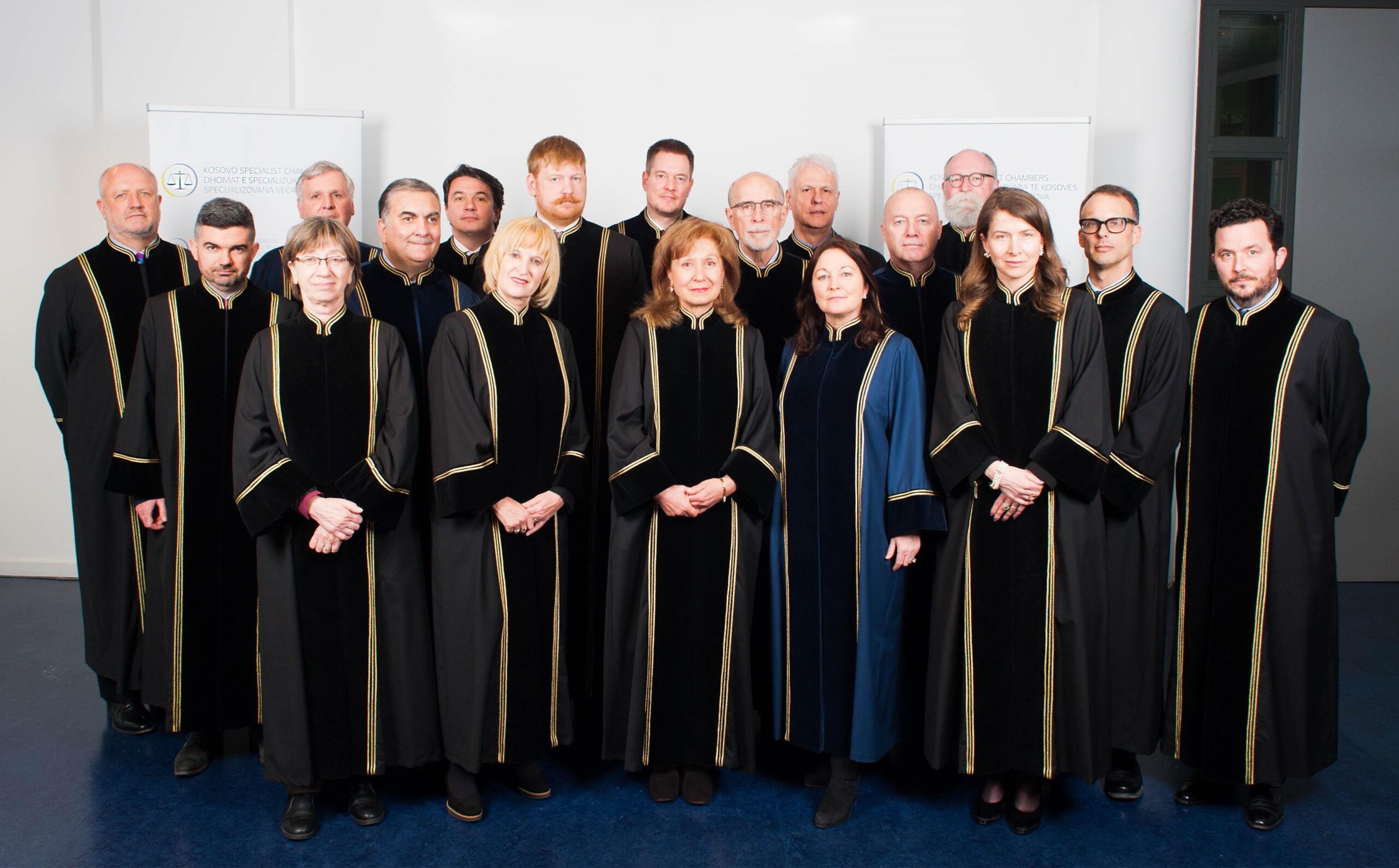
The Kosovo Specialist Chambers: Implications for Reconciliation Efforts
Situated in the heart of Europe, the complex legacy of the Kosovo conflict continues to shape political landscapes, with the Kosovo Specialist Chambers representing a pivotal moment in the quest for justice. Established to address serious crimes committed during and after the 1998-1999 war, these international courts have sparked renewed debates about accountability, collective memory, and prospects for reconciliation in a region still grappling with deep-seated historical divides. As trials unfold and wartime narratives are reexamined, their impact on interethnic relations and national conversations has become increasingly precarious. This article delves into the intricate dynamics surrounding the Kosovo Specialist Chambers and investigates how their operations may inadvertently obstruct efforts to heal past wounds, raising critical questions about reconciliation’s trajectory in the Balkans.
Impact of the Kosovo Specialist Chambers on Regional Relations
The establishment of the Kosovo Specialist Chambers has prompted a diverse range of reactions from Balkan countries, often intensifying existing political divisions. While these chambers aim to address war crimes from conflicts that occurred decades ago, their activities have also reignited nationalist sentiments and skepticism among various factions. This scrutiny has resulted in heightened tensions between Kosovo, Serbia, and neighboring nations as conflicting narratives regarding justice collide with long-standing historical grievances.
Moreover, discussions around regional cooperation and future diplomatic relations have been catalyzed by these developments. Key factors include:
- Mistrust among neighboring nations: Perceptions that justice initiatives may be biased can lead to diplomatic estrangement.
- Kosovo’s internal divisions: Various political groups exploit court proceedings to further deepen societal rifts.
- Evolving historical perspectives: The involvement of an international body questioning local actors has altered public discourse.
The implications suggest that rather than promoting reconciliation efforts, these chambers might unintentionally entrench divisions further complicating sustainable peace prospects within this region. The relationship between judicial mechanisms and reconciliation remains unclear; while they serve as tools for accountability they can also trigger renewed discord.
Barriers to Reconciliation Amidst Juridical Proceedings
The ongoing legal actions associated with the Kosovo Specialist Chambers are generating significant tension within an already fragile environment for reconciliation. As trials progress involving key figures facing serious allegations, public perceptions regarding justice become polarized-complicating dialogue aimed at unity. Some view these judicial processes as vital steps toward accountability; others perceive them as instigators of ethnic conflict rooted deeply in historical distrust that frequently resurfaces. This situation manifests through several channels:
- Sparking Nationalism: Politically charged narratives surrounding court activities often incite nationalist feelings that undermine community cooperation.
- < strong >Dichotomous Public Discourse:< / strong > Media portrayals surrounding trials can create division; varying interpretations exacerbate existing societal cleavages.< / li >
- < strong >Cycling Fear Among Victims & Perpetrators:< / strong > Both victims and accused individuals find themselves trapped within cycles of fear concerning potential judicial outcomes.< / li >
Additonally , viewing courts as instruments imposed by external forces intensifies skepticism , leading many stakeholders hesitatingly engaging constructively . Consequently , focus shifts towards legal confrontations rather than genuine reconciliatory endeavors . Key elements contributing towards challenges include :
Elements Consequences on Reconciliation
Judicial Results Can polarize perspectives fueling animosity Community Interactions Fear obstructs collaborative initiatives Political Manipulation Leaders might exploit results for electoral advantage < /td > < /tbody >
Strategies For Promoting Dialogue And Empathy In Conflict Resolution < /h2 >
Navigating persistent tensions related to Kosovar specialist chambers necessitates adopting comprehensive strategies prioritizing mutual understanding . Initiatives aimed at bridging gaps play crucial roles here . By establishing platforms facilitating open dialogues amongst diverse stakeholders-including civil society organizations , educators , local leaders-communities can initiate trust rebuilding processes . Effective strategies could encompass :
- < li >< strong Community Gatherings : Regular meetings where individuals share experiences while actively listening one another's viewpoints.< / li
In conclusion,the formationofKosovoSpecialistChambersmarkscriticalyetcontroversialchapterinpost-conflictreconciliationnarrativeBalkansAs tribunalpreparesaddresssensitivesubjectsmatterstemmingfromKosovoWarpotentialforproceedingsfurtherpolarizealreadyfracturedcommunityremainsforebodingWhileaccountabilitywarcrimesfundamentalaspectjusticepathhealingKosovoseemsincreasinglyfragilewithlongstandinggrievancesnationalisticemotionsontherise.
AsinternationalcommunityobservescloselyfutureofreconciliationKosovohangsdelicatelybalanceunderscoringneednuancedapproachjusticeextendingbeyondlegalproceedingsEnduringimpactKosovoSpecialistChambersmayserveaslitmustestregion’scapacityconfrontitspastbroaderimplicationstransitionaljusticeindividedsocietiesComingmonthsundoubtedlyshapeaccountabilitydiscourse,requiringeveryoneengageconstructivedialoguethatseeksunificationratherthandivision.
New Visa Bond Requirements: Tunisia Implements Striking $15,000 Fee for Temporary Visitors!
Tunisia has officially joined an expanding roster of nations-such as Mauritius, Ethiopia, and Grenada-in the U.S. visa bond expansion program....
Read moreDetails