
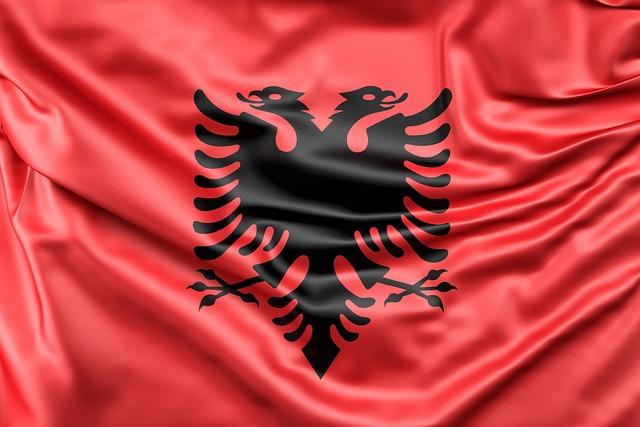
In a notable exhibition of solidarity and historical sentiment, thousands of Albanians gathered in The Hague to voice their opposition to the newly established Kosovo War Crimes Court. Organized by various civic groups and political leaders, the rally highlighted widespread concerns over the tribunal’s perceived bias against members of the Kosovo Liberation Army (KLA) and it’s implications for Albanian national identity. As The Hague becomes a focal point for discussions surrounding justice and reconciliation in the Balkans, protestors expressed their fears that the court’s proceedings could overshadow the sacrifices made during the conflict in the late 1990s. Amidst chants and banners, participants called for a fair assessment of historical events, as the region grapples with its contested past and the quest for justice.
Albanians Mobilize in The Hague to Oppose Kosovo War Crimes Tribunal
A significant gathering took place in The Hague, where thousands of Albanians converged to express their discontent with the ongoing Kosovo War Crimes Tribunal. Demonstrators,waving flags and holding banners,voiced their concerns that the court disproportionately targets members of the kosovo Liberation Army (KLA) while overlooking alleged war crimes committed by Serbian forces during the 1998-1999 conflict. Protesters chanted slogans emphasizing the need for justice and accountability, arguing that focusing solely on KLA actions undermines the complexities of the war and the suffering endured by civilians.
The rally, organized by various Albanian civic and political groups, featured speeches from local leaders who stressed the importance of recognizing the sacrifices made for Kosovo’s independence. Key points highlighted during the speeches included:
- The need for fair portrayal of historical narratives.
- Calls for a balanced and impartial examination into all war crimes.
- The importance of healing and reconciling for both Albanians and Serbs.
As tensions persist between communities, the protests underscore the deep-rooted sentiments surrounding the tribunal and its implications for Kosovo’s future.
Demonstrators Express Concerns Over Perceived Injustices and Biases
During the recent rally in The Hague, demonstrators voiced their strong objections to what they perceive as injustices emanating from the Kosovo war Crimes Court. Participants argued that the court’s investigations disproportionately target individuals from Albanian backgrounds, fostering a sense of unfair scrutiny.Many protesters expressed their belief that the tribunal’s focus could undermine the ongoing reconciliation efforts and deeper societal healing following the tumultuous events of the 1990s.
The crowd was united by a common set of grievances, which included:
- Perceived bias in judicial proceedings: Many attendees claimed that the court was influenced by political motivations rather than impartiality.
- Concerns over historical accountability: Protesters argued that accountability should be universal, calling for equitable treatment of all parties involved in the conflict.
- Fear of stigmatization: Demonstrators highlighted the potential impact of such investigations on the broader Albanian community, fearing a legacy of stigma.
The emotional weight of these concerns manifested in poignant speeches and chants, signaling a profound desire for justice that reflects a balanced historical narrative rather than a biased retelling. The engagement underscored a critical moment in the ongoing dialog about war crimes and the complexities of post-conflict justice in the Balkans.
Calls for Dialogue and Reconciliation in the Wake of Ongoing Tensions
Amidst the mounting tensions surrounding the establishment of the Kosovo War Crimes Court, the recent rally in The Hague by Albanians signifies a growing urgency for dialogue and reconciliation in the region.Participants passionately expressed their discontent over perceived injustices and the potential vilification of their community during the court’s proceedings. As voices raised in protest, the need for constructive engagement between different ethnicities became increasingly clear, highlighting the complexities of the historical narrative in the Balkans. This situation calls not only for legal accountability but also for a commitment to understanding and bridging divides that have long fueled conflict.
Considering these developments, many advocates are emphasizing the role of dialogue as a pathway to healing. to foster a stable and peaceful society, the following approaches are deemed essential:
- Inclusive Conversations: Initiatives that bring together various stakeholders can pave the way for mutual understanding and shared narratives.
- restorative Justice: Prioritizing healing over retribution can help communities reconcile their pasts and build trust.
- Education and Awareness: Promoting historical awareness and education can diminish misconceptions and foster empathy among different ethnic groups.
- International Cooperation: Engaging international bodies to facilitate dialogue and support peace initiatives is crucial for long-term stability.
By focusing on these strategies,there is hope for a renewed commitment to peace-building efforts that transcend the ongoing disputes,ultimately contributing to a more harmonious Balkan region.
to sum up
the recent rally in The Hague marks a significant moment for Albanian citizens, who are vocalizing their concerns about the Kosovo War Crimes court and its implications for justice and national identity. The demonstration reflects deep-seated sentiments regarding accountability, historical narratives, and the ongoing tensions stemming from the conflict. As the legal proceedings continue, the voices from this rally will likely echo in future discussions on war crimes, reconciliation, and the broader quest for peace in the Balkans. Observers will be keen to see how these dynamics evolve and what impact they may have on both the region’s political landscape and its path toward justice.










