
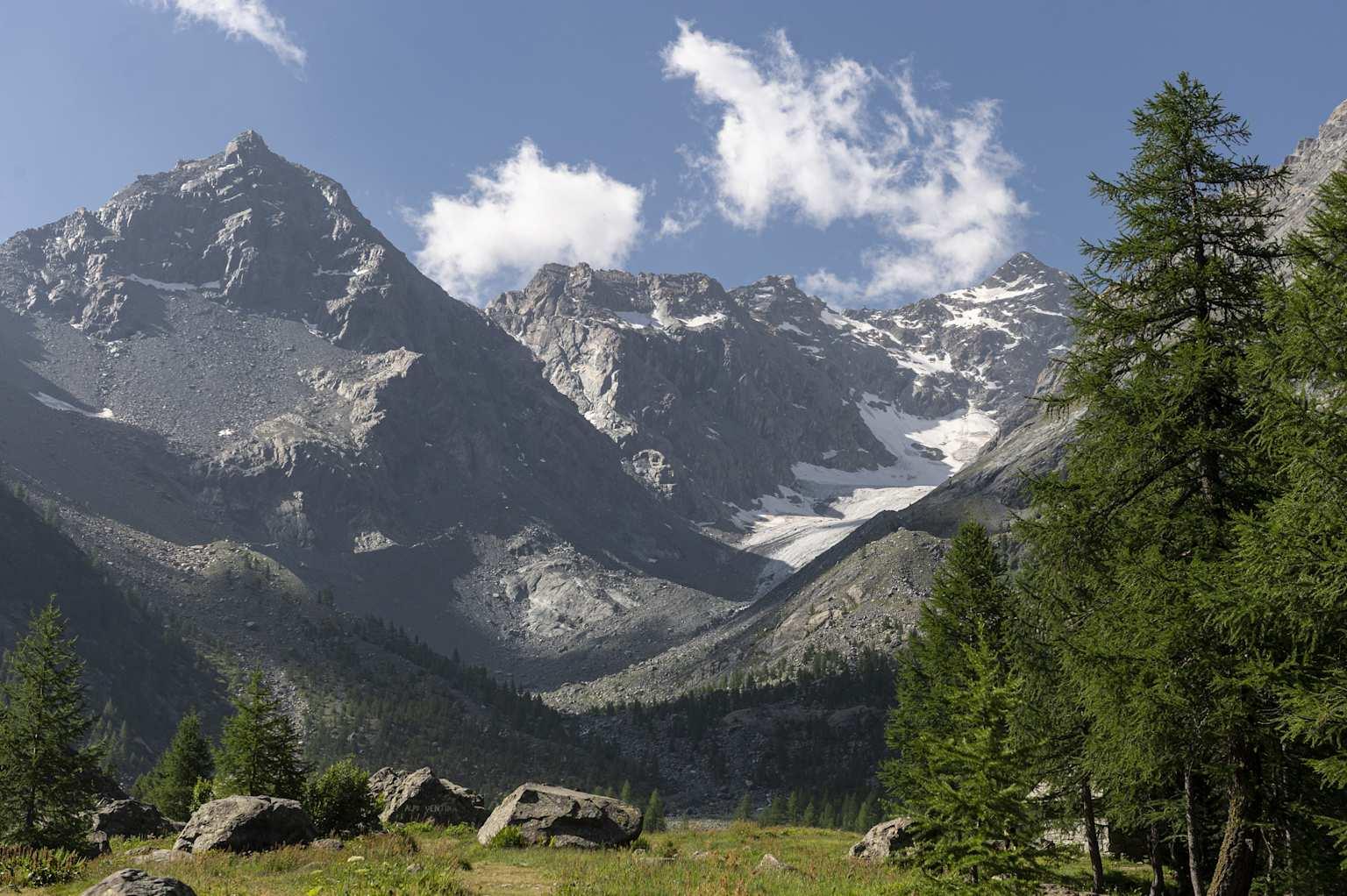
Ventina Glacier Retreat: A Reflection of Climate Change Challenges
The dramatic retreat of Italy’s Ventina glacier serves as a vivid portrayal of the severe impacts of climate change, highlighting the risks posed to biodiversity and various ecosystems. Once a majestic ice formation in the Italian Alps, this glacier has diminished to such an extent that geologists now rely on advanced remote monitoring technologies for its assessment. The rapid melting is closely associated with increasing global temperatures and reduced snowfall, both direct outcomes of anthropogenic climate change. This concerning situation prompts critical reflections on our current environmental practices and underscores the urgent need for effective climate action.
As Ventina continues to recede, it acts as a cautionary tale for glaciers across Europe and beyond.The repercussions of glacial retreat extend well beyond mere visual changes; they significantly affect local ecosystems, water resources, and tourism sectors. Some notable consequences include:
- Water Supply: Glaciers are crucial in sustaining river flows necessary for agriculture and drinking water.
- Wildlife Ecosystems: The disappearance of glacial habitats threatens native species reliant on these environments.
- Tourism Decline: A shrinking glacier may discourage tourists, negatively impacting local economies dependent on visitor spending.
| Time Frame | Iced Volume Loss | Impacts Observed |
|---|---|---|
| 2010-2020 | -30% | -Increased river flow recorded |
| 2020-2023 | -15% | -Notable habitat loss for indigenous species observed |
Advanced Techniques for Monitoring Glacier Melting Trends
The swift decline of Italy’s Ventina glacier highlights an urgent demand for innovative solutions in environmental monitoring. As conventional field assessments become increasingly impractical due to accessibility challenges,scientists are turning towards cutting-edge technology to observe changes remotely. By employing various remote sensing techniques-including satellite imagery, drones, and aerial LIDAR-researchers can effectively gather data regarding both volume loss and surface characteristics along with thermal dynamics.
A particularly promising method involves satellite radar systems that allow researchers to monitor ice movement and melting patterns nearly in real-time. This form of remote observation not only provides essential data needed for climate modeling but also assists in assessing impacts on adjacent ecosystems and communities. Key techniques include:
- Satellite Imagery: High-resolution images utilized to track surface changes over time.
- < strong>Drones: Low-altitude surveys delivering detailed topographical information.
- < strong>LIDAR Technology: Laser scanning providing accurate measurements related to ice thickness.
Methodology < th >Benefits < td>Drones < td />Versatility offering close-up details /< /t d > < t d>LIDAR /< t d />< t d />Remarkable accuracy in thickness measurement /< t d /> Urgent Call-to-Action Amidst Intensifying Glacial Retreat Across Europe
The alarming retreat witnessed at Italy’s Ventina glacier serves as a compelling reminder underscoring the immediate necessity for global initiatives against climate change. Recent studies reveal that this once-majestic glacial body has shrunk significantly enough that geologists now depend primarily on remote monitoring methods instead of direct observations. The melting ice signifies more than just aesthetic losses; it represents profound environmental transformations threatening ecosystems worldwide.
Main Contributors:**
- A rise in temperatures across Europe;
- A shift in precipitation patterns;
- An increase in human activities leading to carbon emissions;
/ul>The effects linked with glacial retreat extend far beyond immediate landscapes; they directly contribute towards rising sea levels while disrupting vital local water supplies essential for nearby communities.
Geologists warn that if these trends continue unchecked,
we could face widespread ecological disruptions alongside socioeconomic challenges.
A recent study has identified several regions severely affected by glacial melt,
emphasizing how critical complete climate strategies have become:
Region Consequences from Glacial Melting
/ th />/thead/ Italian Alps Increased rockslides along altered rivers
/ td />/ Swiss Alps Disruptions within tourism alongside shifts within local flora
/ dt/>/ Norwegian Fjords Rising sea levels threatening coastal settlements/
/ dt/>/tbody >/table /
Final Thoughts: Understanding Climate Change Effects on Glaciers
As we observe alarming reductions occurring at Italy’s Ventina Glacier,
the reality surrounding climate change becomes increasingly apparent.
Geologists who once monitored this natural marvel up close must now heavily rely upon advanced technologies capable enough at capturing rapid transformations taking place within what was once deemed an unyielding landmark.
This transition not only highlights our pressing environmental crisis but also poignantly reminds us about the fragility inherent within these delicate icy ecosystems.With each passing season marking further decline,
the remnants left behind by Ventina underscore urgency calling forth immediate actions coupled with collective responsibilities aimed toward combating ongoing climatic shifts.Looking ahead into future generations’ prospects necessitates prioritizing lasting practices designed specifically around protecting our planet while preserving nature’s wonders intact!Unlocking Tomorrow: H.E. Ambassador Duarte Lopes Shares Visionary Insights on Europe, North Africa, and the Mediterranean
During a recent event hosted by the Stimson Center, participants delved into a captivating discussion about the evolving relationships between...
Read moreDetails









