
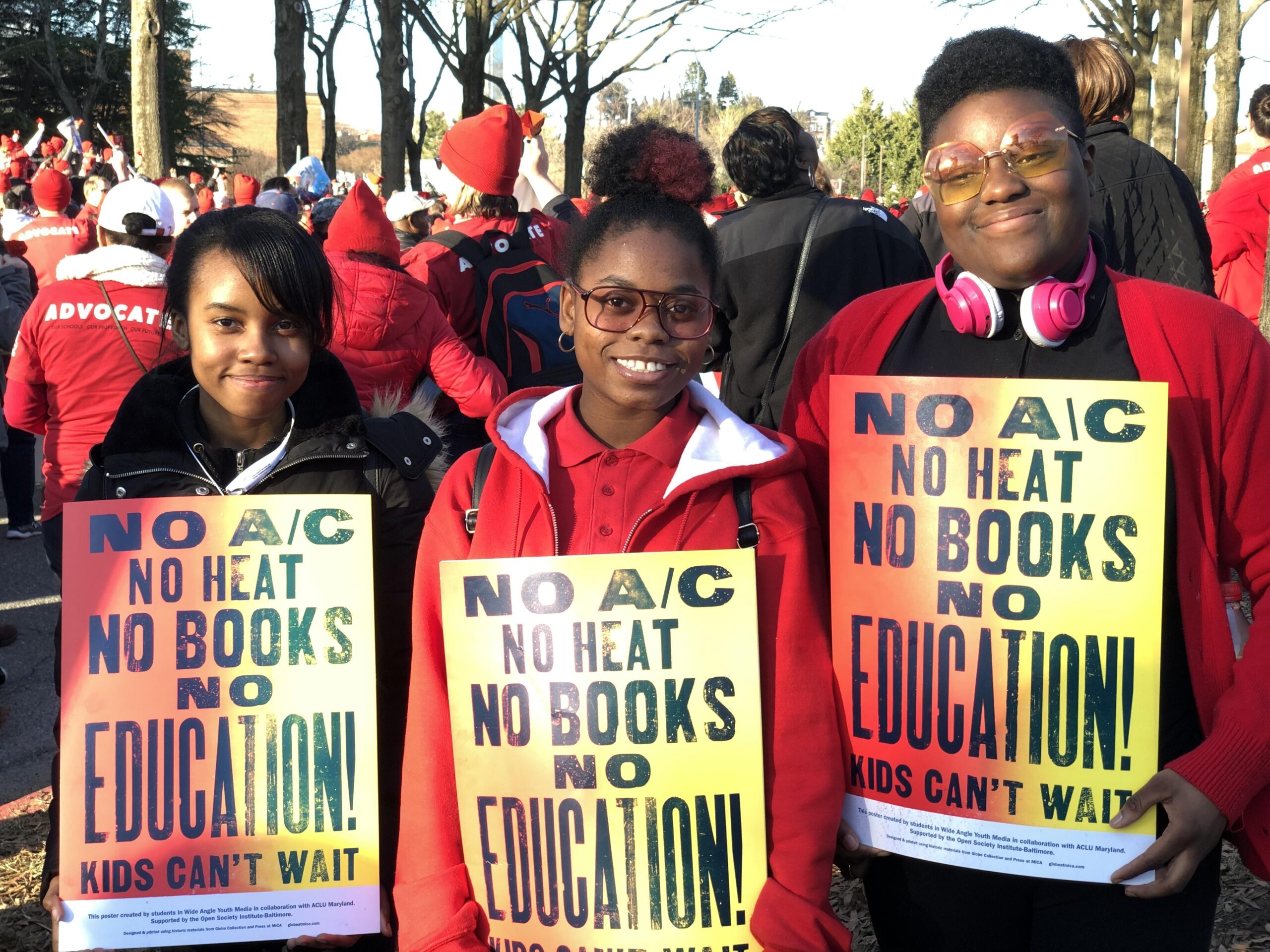
in a stark address to delegates at this year’s teachers’ congress, education leaders emphasized the detrimental effects of what they termed “purposeful underfunding” on Ireland’s education system. The event, hosted by the Irish National Teachers’ Organisation (INTO), brought together educators from across the country to discuss the evolving challenges faced in schools, particularly in light of budgetary constraints. As classroom sizes swell and resources dwindle, educators expressed growing concern over the impact these financial shortfalls are having on students’ learning experiences and overall educational outcomes. With calls for urgent government intervention resonating throughout the congress, the conversations spotlighted a looming crisis that threatens the foundational integrity of Ireland’s educational institutions.
Impact of Underfunding on Student Outcomes in Ireland’s Education System
The persistent issue of underfunding in Ireland’s education system has direct and detrimental effects on student outcomes across the country. A lack of financial resources has resulted in overcrowded classrooms, insufficient teaching materials, and the reduction of important support services for students with special needs. Teachers have voiced concerns that the limited funding hampers their ability to deliver quality education, ultimately leading to disparities in learning opportunities among students. The consequences are particularly severe in disadvantaged areas, where funding shortfalls exacerbate existing inequalities.
Key factors that illustrate the impact of underfunding include:
- Increased Teacher Workload: Educators are stretched thin, leading to burnout and decreased morale.
- Curriculum Limitations: schools struggle to offer a diverse curriculum, often sidelining important subjects such as the arts and physical education.
- Declining Enrollment in Teacher Education: With the profession perceived as under-supported, fewer individuals are entering teaching programs.
As the educational landscape continues to evolve, the long-term implications of financial neglect threaten not just the current generation of learners but the future workforce of Ireland. A focused reinvestment in education is not merely a budgetary decision; it is vital for maintaining a competitive and equitable society.
Teachers Advocate for Increased Investment and Resources in Schools
During the recent teachers’ congress, educators expressed profound concern over the persistent trend of underfunding that has significantly hindered the quality of education in Ireland. Many teachers articulated that the lack of adequate resources has led to overcrowded classrooms, diminished access to essential learning materials, and a shortage of support staff. Educators highlighted the necessity for more investment in essential areas such as digital technology, special education resources, and mental health support, which are critical to fostering an effective learning surroundings.
Among the proposals set forth, the following key areas emerged as priorities for immediate action:
- Increased funding for schools, to ensure that every child has access to quality education.
- Access to technology to bridge the digital divide exacerbated by the pandemic.
- Support for mental health services within schools to address the rising concerns among students.
- Professional growth opportunities for teachers to enhance their skills and adapt to changing educational needs.
| Investment Area | Current Status | Proposed Change |
|---|---|---|
| Classroom Resources | Underfunded | Increase budget by 30% |
| Support Staff | Insufficient | Add 100% more positions |
| Technology Access | Lacking | Equip all schools with devices |
| Mental Health Programs | Limited | Expand programs by 50% |
Essential Strategies for Addressing Funding gaps and Enhancing Educational Quality
The current funding structure in Ireland’s education system is under scrutiny as it reveals a pattern of deliberate underfunding. This systemic issue not only hampers teacher capabilities but also affects student outcomes across the board. To tackle this problem effectively, stakeholders must prioritize a multifaceted approach. Key strategies include advocating for increased government investment, enhancing community engagement, and promoting equitable funding models.By fostering partnerships between local businesses, educational institutions, and government bodies, resources can be pooled to provide necessary support where it is indeed most critically needed.
Moreover, focusing on innovative solutions can bridge the funding gap and raise educational standards. Schools should consider implementing fundraising initiatives,such as community events and grant applications,to augment their operational budgets. Additionally, investing in professional development for educators will empower them to utilize resources more efficiently and creatively. Collaboration among schools to share best practices and resources can also lead to a more robust educational infrastructure. Ultimately, addressing these funding discrepancies requires a unified effort that places the needs of teachers and students at the forefront.
Key takeaways
the concerns raised at the recent teachers’ congress highlight a pressing issue within Ireland’s education sector—deliberate underfunding. As educators gather to voice their frustration, the implications of chronic financial shortfalls are becoming increasingly evident. With the quality of education at stake, stakeholders are urged to reevaluate funding priorities to ensure that all students recieve the support and resources they deserve.As the debate over education budgets continues, the call for significant investment in schools remains a critical agenda item—one that coudl shape the future of Ireland’s educational landscape for years to come.










