
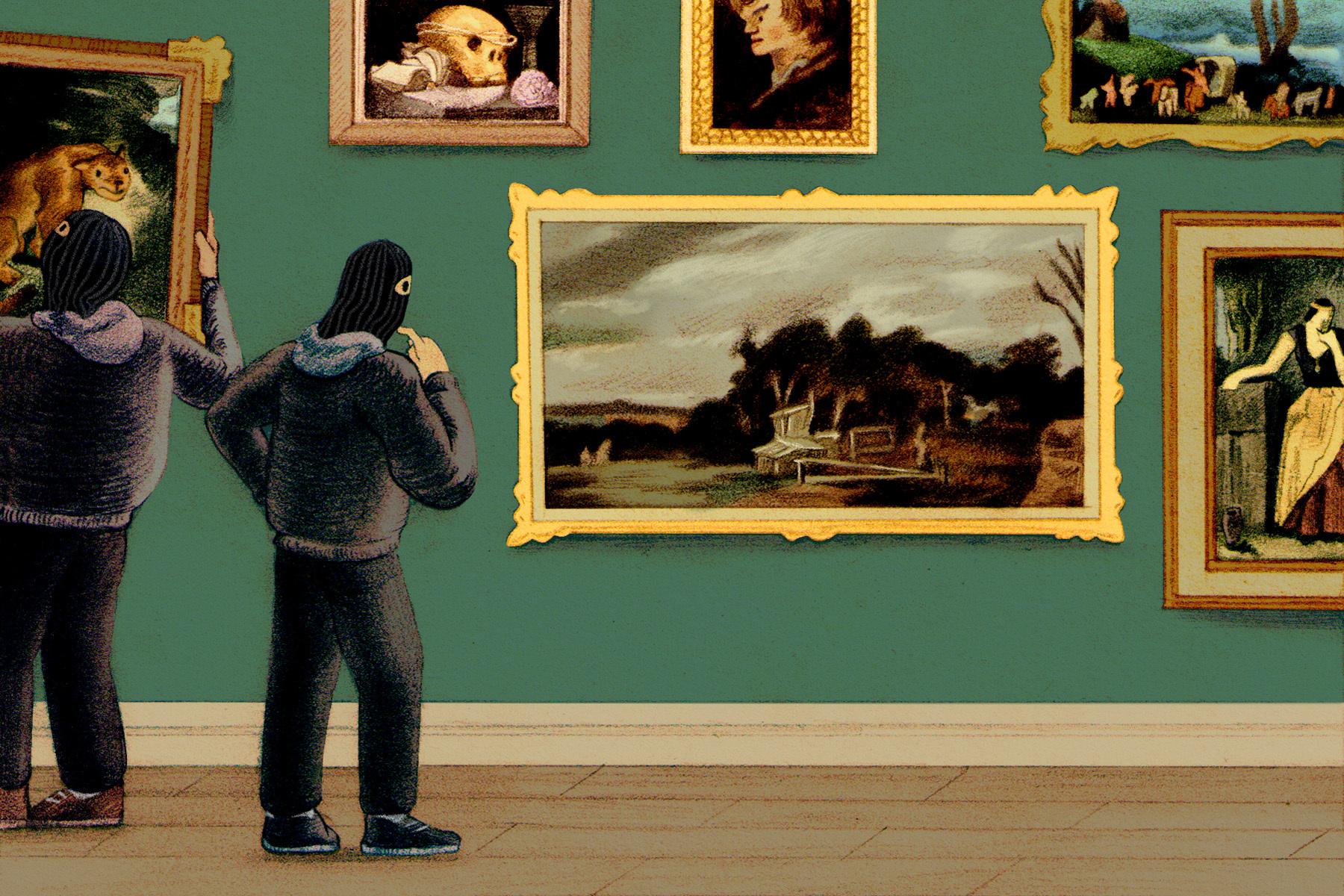
The Art of the Steal: Unraveling the Surge of High-Profile Heists in Europe
In recent years, Europe has witnessed a disturbing trend: high-stakes art heists that have captivated the public imagination and raised serious questions about security in some of the continent’s most revered cultural institutions. From the iconic halls of the Louvre in Paris to the opulent Dresden Green Vault in Germany, valuable masterpieces and priceless artifacts have fallen prey to thieves daring enough to challenge the walls of history. As a new wave of brazen thefts emerges, experts and authorities are grappling with the underlying causes of this phenomenon. Is it a reflection of organized crime’s growing interest in art as an asset, or are there deeper societal issues driving these audacious crimes? This article delves into the complex world of art theft, examining key incidents, the motivations behind these crimes, and the implications for cultural heritage across Europe. Join us as we explore how the allure of masterpieces can transform into a criminal enterprise, reshaping the landscape of art in an age where security and cultural legacy collide.
The Rise of High-Profile Art Heists and Their Impact on Cultural Heritage
The increasing frequency of high-profile art heists across Europe has raised serious concerns regarding the security of cultural heritage. Not only do these thefts rob museums and private collectors of invaluable pieces, but they often devastate the historical narratives that these artifacts represent. Each heist brings to light vulnerabilities in even the most secure locations, such as the Louvre and the Dresden Green Vault, highlighting that these acts of theft are becoming more sophisticated, often involving meticulous planning and significant financial backing. The impact transcends mere loss; it erodes the collective memory of communities and poses questions about ownership and the ethical responsibility of institutions to safeguard our shared cultural legacy.
Furthermore, art heists can stimulate the underground market, complicating efforts to recover stolen pieces. These events have prompted museums to rethink their security measures, often introducing cutting-edge technology, including:
- Surveillance systems with facial recognition capabilities
- Smart alarms that detect unusual activity
- Restoration projects to mitigate damage caused during thefts
The stakes are especially high as governments and organizations worldwide grapple with the intricacies of provenance and the repatriation of stolen artifacts. Ensuring that cultural heritage is preserved for future generations requires not only vigilance but also international cooperation to combat the networks that enable these thefts.
Understanding the Motivations Behind Europe’s Art Theft Epidemic
Europe’s art theft epidemic is driven by a complex interplay of factors that includes economic incentives, the allure of prestigious artifacts, and the underground demand for stolen art. Economic hardship in certain regions has fueled a rise in criminal enterprises that view art theft as a lucrative alternative to traditional crime, often enabling criminals to amass wealth quickly. Additionally, the global art market stands as a tempting target, where elite collectors are willing to pay exorbitant amounts for rare pieces, even if acquired through illicit means. This underground economy thrives on the anonymity that the art world often provides, thereby complicating recovery efforts and exacerbating the issue at hand.
Moreover, the cultural significance of European art makes it a prime target for not only organized crime but also opportunistic thieves. The motivations are further complicated by romantic notions of rebellion against the establishment, as some individuals see themselves as modern-day Robin Hoods, believing they are reclaiming cultural treasures. The landscape is also transformed by technological advancements that, while aiding security measures, have also equipped criminals with tools to engage in sophisticated heists. The presence of loose regulations and varying enforcement across countries adds another layer of difficulty in curbing art thefts. To better understand these dynamics, the following table summarizes key motivations behind art theft in Europe:
| Motivation | Description |
|---|---|
| Economic Gain | Quick profits from selling stolen art. |
| Cultural Significance | Value placed on artifacts enhances their desirability. |
| Romantic Notions | Thieves justifying crimes through ideologies of rebellion. |
| Technological Tools | Advancements aiding in executing sophisticated heists. |
Preventative Measures: Enhancing Security and International Cooperation in Art Protection
In response to the alarming rise in art heists across Europe, cultural institutions are increasingly prioritizing preventative measures to safeguard invaluable heritage. Modern surveillance technology, such as high-definition CCTV cameras equipped with facial recognition software, is being integrated into museums and galleries to provide real-time monitoring of exhibits. Furthermore, enhanced alarm systems, featuring motion detection and glass-break alerts, are becoming a standard requirement for high-value artwork displays. As museums adopt these technological advancements, the importance of physical security enhancements-including reinforced display cases and advanced locking mechanisms-cannot be overlooked, creating a multi-layered defense against potential thefts.
International cooperation is crucial in the fight against art crime, with organizations like UNESCO and INTERPOL playing a significant role in orchestrating collaborative efforts. Regular conferences and workshops facilitate dialogue among stakeholders-ranging from law enforcement agencies to museum curators-fostering a knowledge-sharing environment that emphasizes best practices in art protection. Additionally, initiatives such as artwork registration systems allow for more efficient tracing of stolen pieces across borders. To exemplify the collaborative landscape, the table below highlights key players and their contributions in enhancing art security:
| Organization | Role in Art Protection |
|---|---|
| UNESCO | Promotes cultural heritage preservation and awareness |
| INTERPOL | Facilitates international law enforcement cooperation |
| Art Loss Register | Provides a global database for stolen art tracking |
| Local Law Enforcement | Enforces laws related to theft and protects cultural institutions |
Concluding Remarks
In conclusion, the rising trend of high-profile art heists across Europe highlights a complex interplay of cultural significance, economic factors, and security vulnerabilities. From the opulent halls of the Louvre to the storied cabinets of the Dresden Green Vault, these thrilling thefts not only capture public imagination but also expose the urgent need for enhanced protection of our shared artistic heritage. As the art world grapples with the implications of these brazen acts, it becomes increasingly clear that the allure of priceless masterpieces continues to attract not only admirers but also those willing to risk everything for a fleeting moment of infamy. Understanding the motivations behind these crimes is essential in fostering a dialogue about preservation and security in an era where the stakes are higher than ever. As Europe navigates this delicate landscape, one thing remains certain: the art of the steal may well continue to evolve, but the need to safeguard our cultural treasures will always remain paramount.










