
Iceland Criticized After Withdrawing from Cage-Free Egg Commitment
In a surprising reversal of its previous commitments, Iceland, the UK-based supermarket chain known for its strong stance on ethical sourcing, has come under fire for announcing its withdrawal from a pledge to transition to 100% cage-free eggs by 2025. The decision, which has drawn widespread condemnation from animal welfare advocates and consumer rights groups, raises questions about the retailer’s commitment to lasting practices and animal welfare standards. Critics argue that this move undermines progress in the fight against factory farming and could have significant implications for the industry as a whole. As debates intensify, the implications of Iceland’s choice resonate far beyond its supply chain, reflecting a growing tension between corporate responsibility and competitive market pressures.
Iceland’s Retreat from Cage-Free Egg Commitment Sparks Environmental Concerns
Iceland’s recent decision to step back from its commitment to sourcing cage-free eggs has raised significant environmental and ethical concerns among consumers and advocacy groups. Critics argue that this move undermines animal welfare standards and contributes to ongoing issues related to factory farming practices. As part of its initial pledge, Iceland set out to substantially increase its procurement of cage-free eggs, a shift that was applauded by animal rights activists and environmentally conscious shoppers alike.The supermarket chain’s retreat now poses questions regarding corporate responsibility in addressing animal welfare concerns, particularly as the global conversation around sustainable and ethical food sourcing intensifies.
This change in policy has ignited a backlash from various stakeholders, highlighting the potential ramifications on animal welfare and environmental sustainability. Key points of concern include:
- Impact on Hen Welfare: Cage confinement affects the health and social behavior of hens,leading to increased stress and suffering.
- Environmental Footprint: The continued use of conventional farming practices may exacerbate the ecological impact associated with egg production.
- Consumer Trust: Iceland risks alienating a growing segment of environmentally conscious consumers who prioritize humane and sustainable products.
While the company cites economic considerations behind its decision, the implications of this policy reversal extend beyond profit margins, raising critical discussions about the future of ethical food sourcing in the retail sector.
Expert Insights on the Impact of Cage Systems on Animal Welfare
The recent decision by Iceland to withdraw from its commitment to cage-free egg production has reignited debate over the implications of cage systems for animal welfare.Critics argue that confinement creates a myriad of issues for poultry, impacting their natural behaviors and overall health. Studies have consistently shown that cage systems limit the ability of hens to engage in instinctual behaviors such as nesting, perching, and foraging, leading to increased stress and a higher incidence of physical ailments. Despite the economic considerations that farmers may face, advocates emphasize that ethical farming practices should prioritize the well-being of animals over profits.
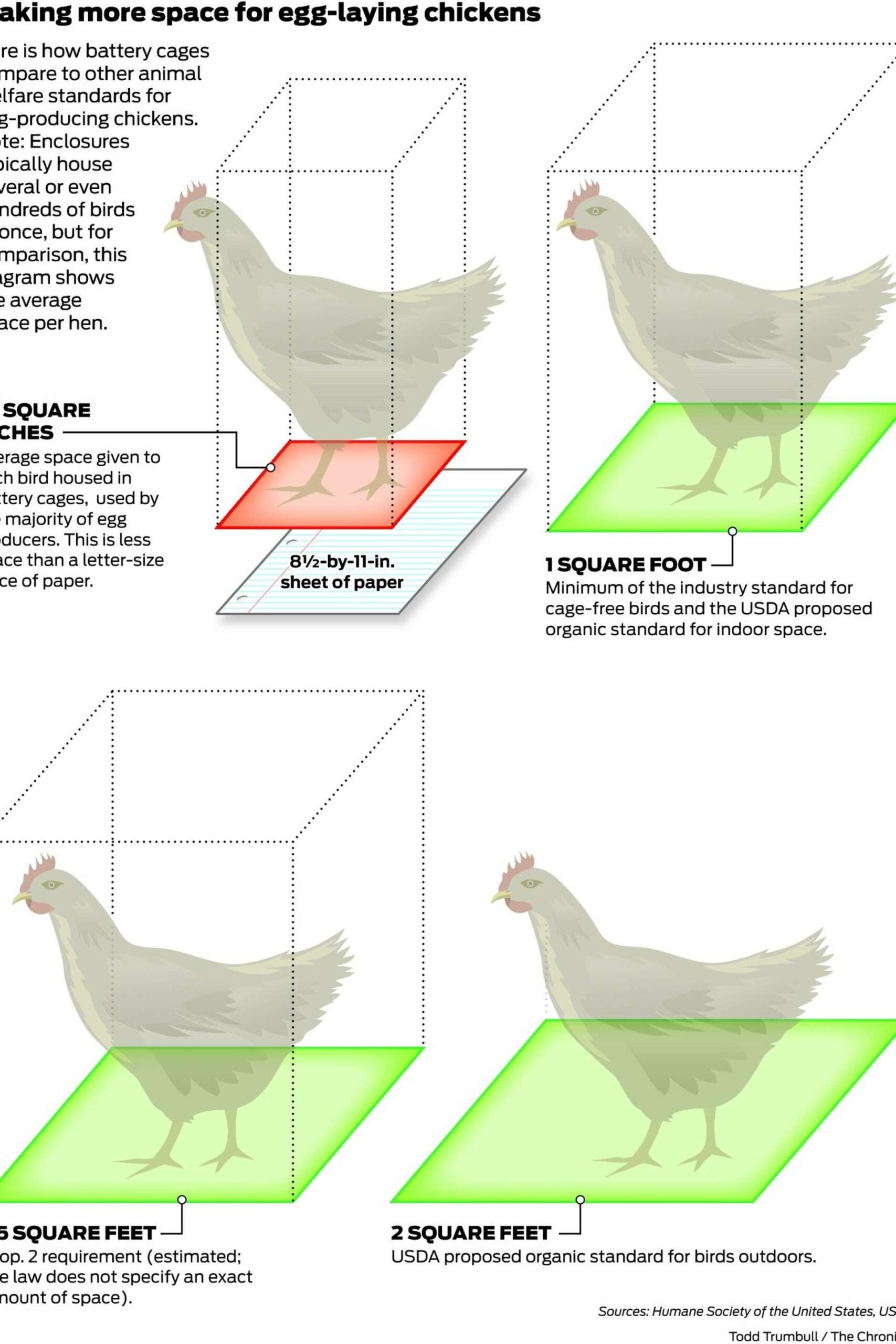
Experts in animal welfare warn that reverting to cage systems can have long-lasting consequences not only for the animals but also for public perception of the agricultural industry. A survey on consumer attitudes revealed that a significant portion of the population prefers eggs sourced from cage-free environments, associating them with better animal treatment and quality. Moreover, cage-free systems are believed to enhance the overall health of hens, which can lead to more sustainable production practices in the long run. The following table summarizes key differences between cage and cage-free systems:
| Aspect | Cage Systems | Cage-Free Systems |
|---|---|---|
| Space per Hen | Approx. 67-86 square inches | Approx. 1.5 square feet |
| Natural Behaviors | Highly Restricted | Encouraged |
| Health Issues | Higher Stress and Disease Rates | Lower Stress, Better Health |
| Consumer Preference | Decreasing | Increasing |
Recommendations for Sustainable Practices in the Egg Production Industry
Considering recent developments, the egg production industry must reinforce its commitment to sustainable practices. Transitioning to cage-free systems is essential not only for animal welfare but also for aligning with consumer expectations and global sustainability goals. Producers are encouraged to:
- Invest in animal welfare: Implementing spacious, enriched environments for hens that promote natural behaviors.
- Adopt organic farming methods: Utilizing organic feed, which reduces chemical exposure to the hens and the environment.
- Enhance clarity: Providing consumers with clear details about production practices can build trust and encourage responsible purchasing decisions.
- Engage in community partnerships: Collaborating with local organizations can definitely help foster more sustainable agricultural practices while promoting local economic growth.
Moreover, adopting innovation and technology can significantly improve efficiency and reduce the environmental footprint of egg production. Farmers should consider:
| Technology | Benefits |
|---|---|
| Automated Feeding Systems | Reduces feed waste and ensures optimal nutrition. |
| Manure Management Solutions | Minimizes environmental pollution and enhances soil health. |
| Egg Track and Trace Systems | Improves food safety and consumer confidence. |
Emphasizing these strategies can help the egg production sector navigate challenges while achieving higher sustainability standards that resonate with consumers and regulatory bodies alike.
In Retrospect
Iceland’s recent decision to withdraw from its commitment to cage-free egg production has sparked considerable debate among animal welfare advocates, consumers, and farmers alike. The move, which has drawn significant criticism from various sectors, raises significant questions about the nation’s agricultural practices and its obligations to animal rights. As discussions continue, stakeholders are urged to reflect on the long-term implications of this policy reversal and the potential impact on consumer trust, farm sustainability, and the welfare of laying hens. Moving forward, the call for transparency and a reassessment of animal welfare standards in food production remains more pressing than ever.As public sentiment evolves, so too must the strategies of those invested in the future of agriculture in Iceland and beyond.










