
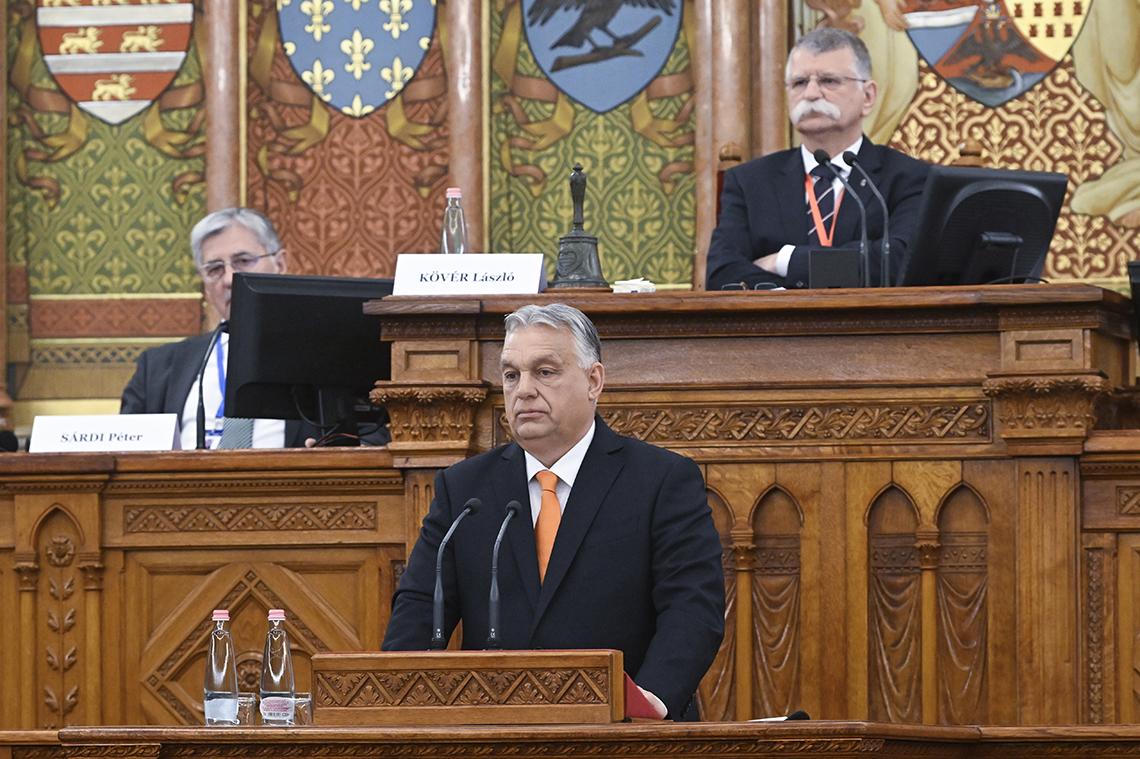
In a dramatic escalation of tensions between Hungary and Ukraine, Prime Minister Viktor Orbán has publicly accused Ukraine of meddling in Hungary’s domestic affairs, following a recent spying scandal that has sent shockwaves through the region. The accusation comes on the heels of reports alleging that Ukrainian intelligence agencies have been cooperating with Hungarian opposition parties to undermine Orbán’s government. As diplomatic relations between the two neighboring countries face unprecedented strain, observers are closely monitoring the potential implications for regional stability and Hungary’s political landscape. This article delves into the details of the scandal, the responses from both governments, and the broader context of Hungarian-Ukrainian relations.
Orban’s Accusations: Exploring the Allegations of Ukrainian Interference in Hungarian Politics
In a dramatic turn of events,Hungarian Prime Minister Viktor Orbán has leveled serious allegations against Ukraine,claiming that Ukrainian entities have been involved in influencing Hungarian domestic politics. This accusation comes in the wake of a recent spying scandal,where undisclosed sources purportedly revealed interactions between Ukrainian intelligence agencies and Hungarian opposition groups. Orbán stated that these actions not only threaten Hungary’s sovereignty but also constitute a direct affront to the cordially tense relationship that Budapest and Kyiv have maintained amid regional tensions. His remarks spotlight growing concerns over external influence in national affairs, a theme that resonates deeply within Hungary’s politically charged landscape.
Supporters of Orbán’s ruling Fidesz party have rallied behind his claims, arguing that these alleged meddling efforts undermine democratic processes and amplify the importance of national security. Critics, though, have dismissed the accusations as politically motivated, aiming to distract from domestic challenges facing the government. The fallout from these allegations encompasses:
- Heightened diplomatic tensions between Hungary and Ukraine
- Increased scrutiny on opposition parties regarding foreign affiliations
- Debate over media freedom and its role in political discourse
To provide a clearer context, consider the following table illustrating the recent history of Hungarian-Ukrainian relations:
| Year | Event |
|---|---|
| 2018 | Orbán criticizes Ukraine’s educational reforms affecting Hungarian minorities |
| 2020 | Ukraine’s President Zelensky visits Hungary, seeking cooperation |
| 2022 | Tensions flare over NATO’s military support amidst the Ukraine conflict |
| 2023 | Orbán alleges Ukrainian influence in Hungarian political structures |
The impact of these allegations remains to be seen, yet they undeniably add another layer of complexity to an already intricate geopolitical scenario in Eastern Europe.As the narrative unfolds, observers will closely monitor both the Hungarian government’s response and any shifts in Ukraine’s diplomatic stance.
The Impact of Espionage Revelations on Hungary-Ukraine Relations
The recent espionage revelations have sparked a notable diplomatic rift between Hungary and Ukraine, with Hungarian Prime Minister Viktor Orbán openly accusing Ukraine of attempting to interfere in domestic politics. This accusation follows reports alleging that Ukrainian intelligence services were involved in covert operations aimed at destabilizing the current Hungarian government by collaborating with the opposition. Orbán’s remarks underline a growing sentiment within the Hungarian political sphere that Ukraine’s actions constitute a blatant violation of Hungary’s sovereignty. As tensions escalate, analysts warn that this fallout could have long-lasting ramifications for bilateral relations.
In light of these developments, several factors are emerging that could shape the future of Hungary-Ukraine relations:
- Political Discourse: The heightened rhetoric may lead to a more nationalistic stance within Hungary, complicating any potential diplomatic dialog.
- Security Cooperation: Mutual trust is eroding, which could hinder joint initiatives regarding border security and energy collaboration.
- EU Dynamics: Hungary’s relationship with Ukraine may influence its stance within the European Union, possibly altering alliances and voting patterns.
| Aspect | Current State | Potential Impact |
|---|---|---|
| Diplomatic Ties | Tense | Future negotiations may cease |
| Trade Relations | Stable | Potential decline in trade volumes |
| Public Sentiment | Mixed | Increase in anti-Ukrainian sentiment |
Strategies for Resolution: Navigating Diplomatic Tensions in Eastern Europe
In light of recent developments surrounding accusations of interference, strategic measures are vital to defuse rising tensions between Hungary and Ukraine. The Hungarian government, led by Prime Minister Viktor Orbán, has denounced what it terms as Ukrainian meddling in domestic affairs, a move that could further complicate bilateral relations. To address these challenges, a multi-faceted approach is essential, focusing on diplomatic dialogue, confidence-building measures, and collaboration on security issues. Key strategies may include:
- Direct Diplomacy: High-level talks between leaders and foreign ministers can clarify intentions and alleviate misunderstandings.
- Track II Diplomacy: Engaging informal stakeholders,such as think tanks and civil society,can promote dialogue outside of official channels.
- Joint Security Initiatives: Collaborative efforts, such as regional security exercises, can bolster trust and demonstrate mutual commitment to stability.
Additionally, addressing the root causes of these tensions is crucial. Historical grievances and territorial disputes frequently enough fuel animosity and distrust. Both nations must strive for a comprehensive strategy that aggregates various socio-political narratives to create a more harmonious regional identity. A proposed framework could be :
| Framework Component | Description |
|---|---|
| Shared Historical Narratives | Identify and promote elements of shared history that foster cooperation. |
| Economic Cooperation | Facilitate joint projects that benefit both economies, reducing reliance on divisive rhetoric. |
| Cultural Exchange Programs | Encourage people-to-people connections through cultural and educational exchanges. |
To Wrap It Up
In the wake of escalating tensions and allegations of espionage, Prime Minister Viktor Orban’s accusations against Ukraine highlight the deepening rifts between Budapest and Kyiv. As Hungary grapples with claims of foreign interference and a contentious relationship with its neighbor, the implications for regional stability and political dynamics remain profound. Observers will be closely watching how both nations navigate this complex landscape, as national interests clash and opposition groups leverage the current crisis. As the situation unfolds, the interplay between national security and political maneuvering is set to shape the trajectory of Hungarian-Ukrainian relations in the months ahead.










