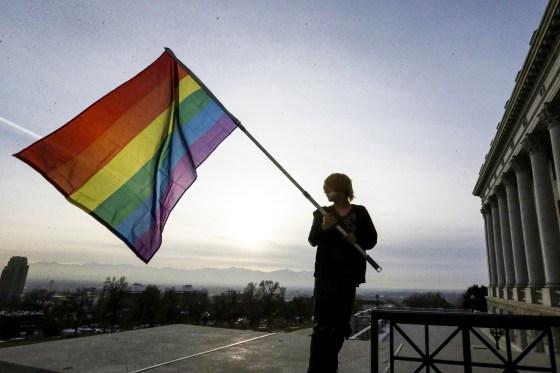
As Hungary prepares to vote on a controversial ban of LGBTQ+ Pride events, the implications of this legislative move extend far beyond sexual orientation and gender identity. The proposed ban has ignited fervent debates not only within the nation but also across Europe, raising critical questions about the future of basic human rights in a region already grappling with the rise of populism and nationalistic policies. Advocates argue that such a prohibition threatens not just the LGBTQ+ community but sets a concerning precedent for the erosion of freedoms enjoyed by all citizens. As voices for and against the measure mobilize, the outcome of this vote may signal a pivotal moment in Hungary’s political landscape, with potential repercussions reverberating throughout the European Union. In this article, we will explore the various angles of the ongoing debate and what it reveals about the intersection of civil liberties, societal values, and state power in contemporary Hungary.
Hungary’s Proposed LGBTQ+ Pride Ban: Implications for Minority Rights and Civil Liberties
As the Hungarian government moves forward with legislation aimed at banning LGBTQ+ Pride celebrations,the ramifications extend far beyond the immediate impact on the LGBTQ+ community. Detractors argue that such a ban could set a dangerous precedent for the erosion of basic civil liberties in Hungary.Core principles of freedom of expression, assembly, and association may come under siege, leading to a climate were dissent is discouraged and marginalized communities feel increasingly vulnerable. The implications are grave, with activists warning that this legislation could embolden further discriminatory policies targeting not only LGBTQ+ individuals but also other minority groups.
Moreover,as Hungary’s government continues to portray LGBTQ+ rights as a divisive issue,the erosion of societal support for diversity could lead to an intensification of state-sponsored populist rhetoric. This shift might manifest in various forms, including:
- Increased censorship of LGBTQ+ content in media
- Stricter regulations on non-governmental organizations (NGOs) advocating for human rights
- Discrimination in public services and employment sectors
These changes could collectively foster an habitat where discrimination is normalized, effectively dismantling decades of progress in civil rights and minority protections. The potential fallout from Hungary’s proposed ban is a stark reminder of how the fight for equality is intricately linked to broader human rights issues that affect us all.
The intersection of Anti-LGBTQ+ Legislation and broader Human Rights issues in hungary
The Hungarian government’s recent move to possibly ban LGBTQ+ Pride events raises important questions regarding the state of civil liberties and human rights within the country.This legislation, often framed in the guise of protecting children, reflects a broader clampdown on minority rights in Hungary. Advocates argue that such measures not only undermine the dignity of LGBTQ+ individuals but also set a dangerous precedent that can embolden discrimination across various sectors of society. The implications extend beyond mere visibility of sexual orientation; they threaten an entire framework of rights that includes freedom of expression, assembly, and privacy.
The chilling effect of these legislative changes is evident when examining the past context of human rights in Hungary. Citizens are increasingly concerned that the assault on LGBTQ+ rights is a gateway to more extensive infringements on freedoms that all individuals should possess. consider the following factors that are correlated with these developments:
- Freedom of Speech: diminished space for dissenting voices.
- Media Control: Tighter regulations on self-reliant journalism and expression.
- Judicial Independence: Attempts to politicize the judiciary weaken protection against abuses.
- Minority Rights: Erosion of protections for various marginalized groups, not just the LGBTQ+ community.
This consolidation of power within the government has led to an environment where fear, complicity, and silence cultivate a dangerous landscape for all rights. As the global community watches, the implications of Hungary’s choices extend far beyond its borders, potentially influencing other nations grappling with similar cultural and ideological divides. Understanding this intersection is crucial not only for the defense of marginalized communities but for the preservation of democratic values that are essential for society’s collective well-being.
International Responses and Recommendations for Protecting LGBTQ+ Rights in Eastern Europe
In light of Hungary’s pending legislation aimed at banning LGBTQ+ Pride events, international responses have underscored the urgent need for a collective stand against such regressive measures. Various human rights organizations and government entities from across the globe have expressed their condemnation of Hungary’s approach, emphasizing its potential to erode fundamental rights not only for the LGBTQ+ community but also for broader civil liberties. Notably,the European Union has reiterated its commitment to upholding democratic principles,flagging Hungary’s actions as contrary to EU values. A coalition of nations has called for immediate dialog aimed at repealing discriminatory laws in Eastern Europe, advocating that countries uphold their obligations to protect every individual against discrimination regardless of sexual orientation or gender identity.
Recommendations for the protection of LGBTQ+ rights in Eastern Europe have surfaced, suggesting a multi-faceted approach that includes diplomatic measures, economic incentives, and social awareness campaigns. Proposed strategies include:
- Enhanced EU Monitoring: Continuous assessment of member states’ adherence to LGBTQ+ rights.
- Increased Funding: Allocation of resources for NGOs working on the ground to support LGBTQ+ individuals.
- Public Awareness Initiatives: Campaigns aimed at fostering acceptance and understanding within local communities.
The implementation of these recommendations could create a sustainable framework for advocacy and support, paving the way for an inclusive society that honors the dignity of all its citizens.
In Summary
As Hungary moves towards a controversial vote on banning LGBTQ+ Pride events, the implications extend far beyond the borders of sexual orientation and gender identity. This potential legislation reflects broader trends in societal attitudes that could jeopardize the foundational rights and freedoms guaranteed to all citizens. Observers are drawing parallels with similar movements in other parts of Europe, raising concerns about the erosion of democratic values and protections for marginalized communities. As the global community watches closely, the outcome in hungary may not only reveal the country’s stance on LGBTQ+ rights but also serve as a bellwether for the state of human rights across the continent. Moving forward, the challenge remains for advocates and policymakers alike to safeguard civil liberties in the face of rising populism and discrimination. The fight for equality continues, and its repercussions will resonate well beyond Hungary’s borders.