
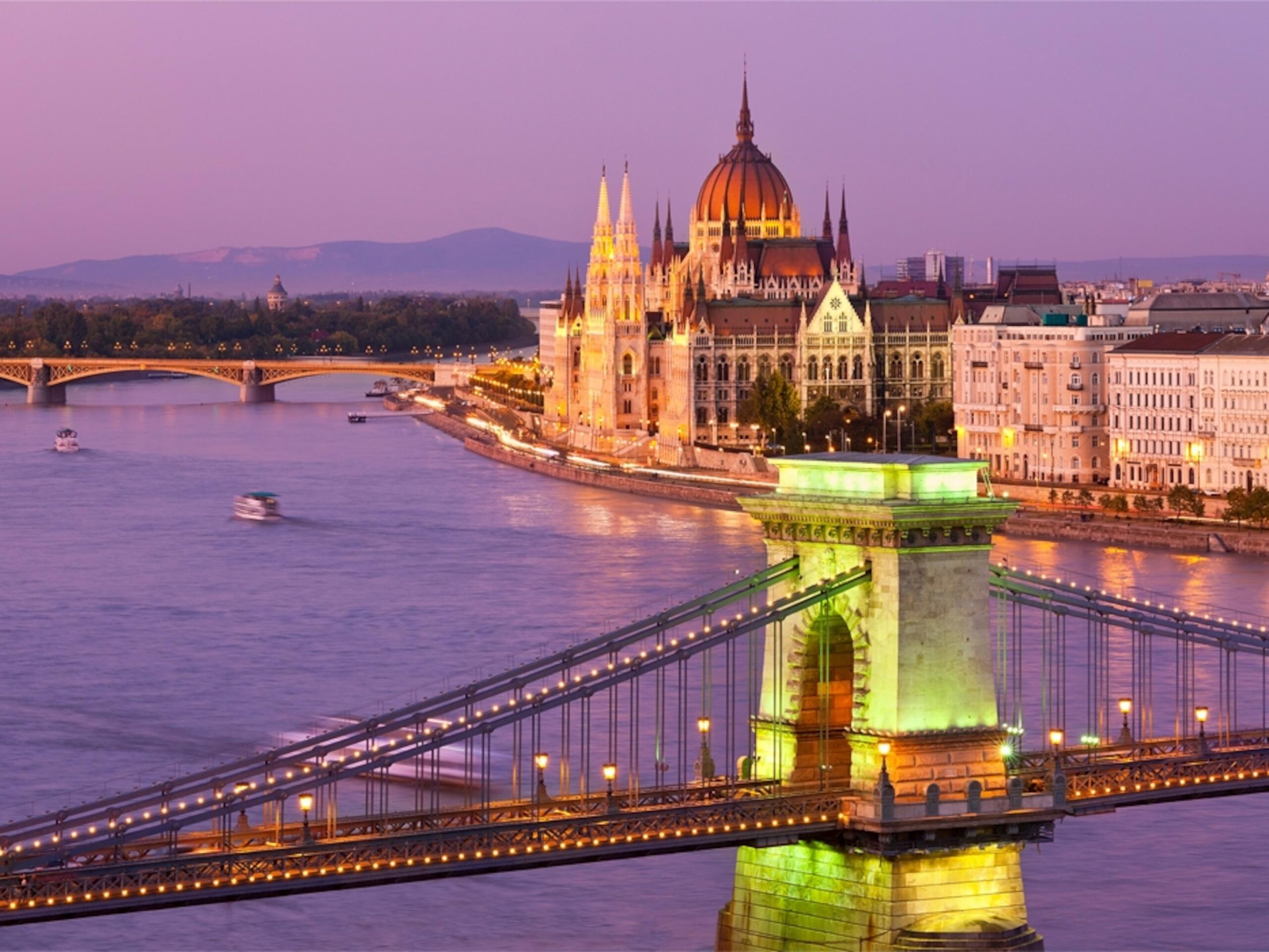
Hungary’s Bold Diplomatic Move: Hosting Putin for a Summit with Trump
In a daring and controversial diplomatic maneuver, Hungary has announced its intention to host Russian President Vladimir Putin for an upcoming summit with former U.S. President Donald Trump in Budapest. This decision, reported by prominent news organizations such as Reuters, invites scrutiny of Hungary’s foreign policy amidst rising tensions between Russia and Western nations. As European countries grapple with the implications of Russia’s actions on the global stage, this meeting unfolds against a backdrop of significant geopolitical challenges. The Hungarian government’s approval of Putin’s visit highlights its complex relationship with Moscow and may influence its standing within the European Union (EU). This article explores the ramifications of Hungary’s decision and its potential impact on international relations.
Hungary’s Diplomatic Strategy in Hosting Putin for the Summit
In a significant diplomatic strategy, Hungary has officially granted entry to Russian President Vladimir Putin for an important meeting in Budapest alongside former President Donald Trump. This move comes at a time when Hungary is delicately balancing relationships between Eastern powers and Western allies. Despite potential backlash from other EU member states and global observers, Hungarian officials view this summit as an opportunity to assert their sovereignty while enhancing their role as mediators in international diplomacy.
The Hungarian government has emphasized that this choice aligns with national interests aimed at promoting open dialogue. Key points include:
- Economic Partnerships: Ensuring ongoing energy collaborations with Russia.
- Sovereignty Emphasis: Upholding Hungary’s independence in making decisions free from external pressures.
- Diplomatic Hub Aspirations: Positioning Budapest as a center for international discussions.
While security concerns loom large amid geopolitical tensions, Hungary aims to establish itself as a pragmatic player willing to engage constructively even during challenging times.
Effects of the Budapest Summit on Relations Between Hungary, Western Nations, and Russia
The implications surrounding Vladimir Putin’s visit are profound for Hungary’s diplomatic relations. On one hand, it could bolster Budapest’s negotiating power regarding Moscow by establishing it as an essential intermediary between Russia and Western nations. Conversely, this action risks straining ties with allies such as those within the EU or United States-both have imposed sanctions against Russia due to its aggressive actions in Ukraine. As Hungary navigates these intricate dynamics, there is growing concern about escalating tensions within Europe itself. The following points highlight critical areas requiring attention:
- Diminished European Unity: Actions taken by Hungary may deepen divisions among EU member states concerning collective responses toward Russian policies.
- Sustainability Challenges Regarding Sanctions: Allowing Putin access could undermine existing sanctions imposed on Russia by diluting their intended effects.
- Pivotal Geopolitical Positioning: By facilitating such meetings, Budapest might strategically position itself within Eastern European politics while challenging dominant Western narratives about Russia.
The economic consequences are also noteworthy; increased ties with Moscow could provoke backlash from investors concerned about political stability given these developments. Moreover, reliance on Russian energy sources continues to grow-potentially jeopardizing energy security if geopolitical conditions shift unfavorably.
To further illustrate these economic considerations below are factors that might shape Hungary’s financial outlook:
| Catalyst | Plausible Outcomes |
|---|---|
| Dwindling Foreign Investment | A likely decline due to perceived geopolitical instability. |
Strategies for Elevating Hungary’s Global Standing Amid Geopolitical Challenges
Navigating today’s increasingly complex geopolitical landscape necessitates that Hungary adopt comprehensive strategies designed not only to solidify but also elevate its international standing.
Recommendations include:
- Proactive Diplomacy: Engage continuously across both Eastern powers & Western allies ensuring recognition & respect towards national interests .< / li >
- Forge Strategic Alliances: Collaborate closely w/ neighboring countries creating unified fronts addressing regional security/economic initiatives .< / li >
- Invest in Defense: Allocate more resources towards military capabilities enhancing national security readiness against emerging threats .< / li >
- Promote Cultural Heritage : Showcase rich heritage globally fostering goodwill strengthening bilateral ties .< / li >
Additionally , leveraging high-profile summits can effectively showcase capacity diplomacy advancing national priorities addressing regional conflicts through key approaches including :
- < b >Demonstrating Strength : Utilize events highlight strategic importance Europe ‘ s security frameworks .< / b >
- < b >Increasing Visibility : Use media spotlight promote significance role discussions shaping future policies .< / b >
- < b >Develop Economic Initiatives : Forge new trade partnerships encourage foreign investments during engagements held abroad.< / b >
Concluding Thoughts on Future Implications
In conclusion , permitting President Vladimir Putins’ entry into meet ex-President Donald Trump underscores complexities inherent within contemporary diplomatic relations ; raising crucial questions regarding Hungarians’ stance geopolitically whilst impacting alliances formed previously amongst western counterparts observing closely unfolding events ahead which hold potential ramifications affecting stability regionally globally alike .










