
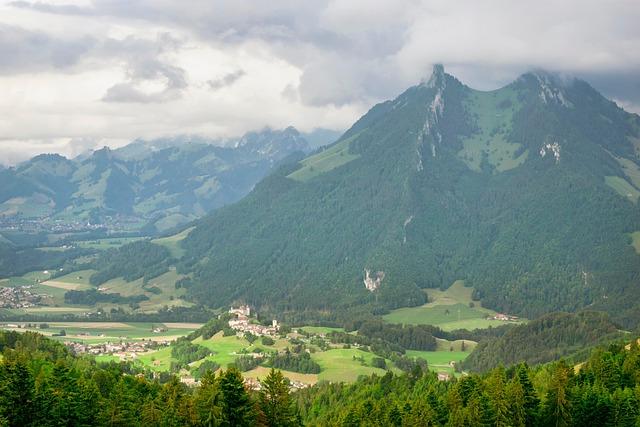
In a recent statement that has stirred diplomatic dialogues, Greenland’s Prime Minister dismissed comparisons between his autonomous territory and Venezuela, emphasizing the unique socio-economic challenges faced by each region. The comments, made during a press conference, come in the context of ongoing discussions about global governance and resource management, particularly in light of Greenland’s evolving economy and political landscape. This assertion not only highlights the distinct realities of both areas but also underscores the complexities of geopolitical narratives that often conflate vastly different contexts. As the international community continues to scrutinize economic strategies and political stability worldwide, the prime minister’s remarks serve as a timely reminder of the necessity for nuanced understanding in global affairs.
Greenland’s Unique Geopolitical Landscape Distinguishes It from Venezuela
Amid rising global tensions and shifting power dynamics, Greenland has carved out a distinct geopolitical identity that starkly contrasts with Venezuela’s current struggles. Due to its strategic location between North America and Europe, and its vast natural resources, Greenland has garnered significant attention from various international actors, particularly in the context of climate change and Arctic exploration. In contrast, Venezuela’s geopolitical landscape is marred by economic turmoil and political instability, making its international engagement vastly different from Greenland’s burgeoning partnerships and developments.
The fragile state of Venezuela, characterized by hyperinflation, political strife, and social unrest, underscores the nation’s difficulties in establishing itself as a prominent player on the global stage. Conversely, Greenland’s relationship with Denmark, alongside growing interest from both the United States and China, has enabled it to leverage its unique position to seek greater autonomy and self-determination. Key factors highlighting this divergence include:
- Resource Wealth: Greenland’s rich mineral deposits and fisheries contrast sharply with Venezuela’s oil-dependent economy.
- Stable Governance: Greenland benefits from a robust governance structure under Denmark, unlike Venezuela’s contentious political environment.
- Strategic Partnerships: Increasing collaboration with Western nations versus Venezuela’s isolation under U.S. sanctions.
Prime Minister Highlights Economic and Social Differences Between Regions
The Prime Minister emphasized the stark contrasts in economic and social conditions between various regions, using Greenland and Venezuela as primary examples. During a recent press conference, he noted that the GDP per capita and standard of living in Greenland are significantly higher than those in Venezuela, showcasing the impact of governance and resource management. Key factors identified include:
- Resource Availability: Greenland’s wealth in natural resources contrasts sharply with Venezuela’s struggles.
- Political Stability: The Prime Minister pointed to the stability in Greenland versus Venezuela’s political turmoil.
- Social Infrastructure: Education and healthcare in Greenland are more developed than in Venezuela.
The Prime Minister’s remarks serve as a reminder of the ongoing challenges countries face in achieving economic prosperity and social equity. In a carefully structured approach, the government plans to implement strategies tailored to the unique needs of each region, rather than generalizing solutions. The following table illustrates the comparative metrics discussed:
| Region | GDP per capita (USD) | Life Expectancy (Years) | Literacy Rate (%) |
|---|---|---|---|
| Greenland | 60,000 | 80 | 100 |
| Venezuela | 3,200 | 72 | 97 |
Recommendations for Enhanced Understanding of Arctic and South American Dynamics
To better grasp the economic, political, and environmental intricacies shaping the Arctic and South American regions, it is essential to engage in multidimensional studies that encompass various fields of research. Consider the following approaches:
- Comparative Studies: Facilitate comparisons between Arctic and South American nations, focusing on resource management, indigenous rights, and climate change impacts.
- Cross-Regional Collaboration: Encourage partnerships between research institutions in both regions to foster data sharing and joint research initiatives.
- Environmental Monitoring: Implement continuous monitoring of climatic changes affecting both geographies to understand their interconnectedness.
- Cultural Perspectives: Highlight indigenous voices and perspectives in discussions regarding resource exploitation and policy-making.
Furthermore, enhancing educational initiatives targeting policymakers can lead to more informed decisions regarding international relations and sustainable practices. A table summarizing key factors influencing both regions may provide greater clarity:
| Factor | Arctic Region | South America |
|---|---|---|
| Climate Change Impact | Melting ice caps, rising sea levels | Deforestation, biodiversity loss |
| Resource Management | Oil, gas, minerals | Agriculture, minerals, water resources |
| Indigenous Rights | Land dispute issues | Active movements for land rights |
Wrapping Up
In conclusion, Prime Minister [Name]’s firm stance against comparisons between Greenland and Venezuela highlights the complexities of geopolitical narratives and the unique challenges faced by each region. As discussions surrounding economic development, governance, and international relations continue to evolve, it is crucial for policymakers and analysts alike to consider the distinct historical and cultural contexts that shape these nations. As the debate unfolds, both Greenland and Venezuela remain at pivotal crossroads, and continued scrutiny will be essential in understanding their paths forward. For now, the Prime Minister’s remarks serve as a reminder of the need for nuanced analysis in an increasingly interconnected world.










