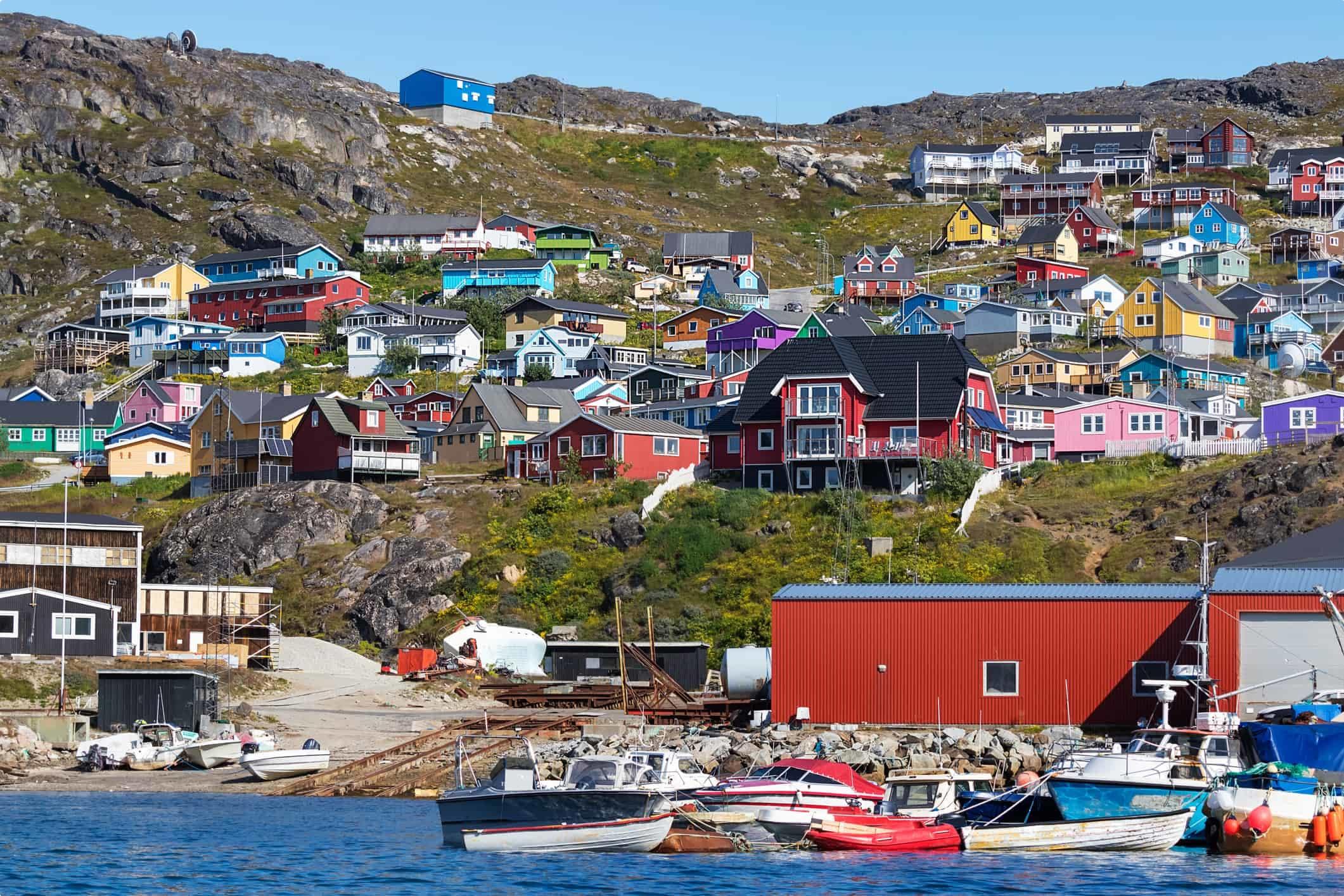
In recent months, Greenland has found itself at the center of international attention as former U.S. President Donald Trump’s aspiring bid to purchase the autonomous territory resurfaces amid a broader push for self-determination. As Greenlanders grapple with the implications of foreign interest in their land, sentiments towards the idea of a U.S. takeover have become increasingly complex. This article delves into the evolving perspectives of Greenland’s residents, exploring the intersection of nationalism, autonomy, and the geopolitical maneuvering that shapes their views on a potential American acquisition. With a rich cultural heritage and a growing desire for sovereign governance, how are Greenlanders responding to the tantalizing yet controversial prospect of aligning closely with U.S. interests?
Greenlanders Express Mixed Reactions to Trump’s Interest in Territory
As the world watches, Greenlanders have taken a moment to evaluate former President Donald Trump’s expressed interest in their territory, a prospect that evokes a complex blend of reactions. For many locals, the notion of external powers attempting to acquire Greenland raises concerns about their hard-fought autonomy and cultural identity. Some individuals express curiosity and even amusement at the idea, suggesting a historical context of land negotiations that has often overlooked the voices of Greenland’s indigenous population. Others, though, view it as a threat to their sovereignty, feeling that such overtures undermine their right to self-determination as they strive for greater autonomy from Denmark.
This apprehension is compounded by a sentiment that Greenland is more than just a piece of land to be traded or acquired. Residents emphasize the importance of their land’s resources and distinct national identity, asserting that decisions regarding their future should be made by Greenlanders themselves. A recent social media poll revealed the following attitudes among the population:
| Reaction | Percentage |
|---|---|
| Support for negotiation | 15% |
| Against foreign ownership | 70% |
| Undecided or indifferent | 15% |
Autonomy Aspirations at the Forefront of Political Discourse
The recent political maneuvering surrounding a potential takeover bid by the Trump administration has ignited a firestorm among Greenlanders,who see this as a pivotal moment in their ongoing quest for greater autonomy. Many residents view the bid not as a genuine interest in fostering economic or social ties,but rather as an attempt to exploit Greenland’s vast natural resources. This perception has intensified discussions about sovereignty and self-determination, highlighting the fragile balance between global interests and local aspirations. As sentiments resonate with the phrase “Greenland belongs to Greenlanders,” local leaders have voiced concerns about the implications of external influence on their future governance.
In the midst of these tensions, Greenland’s push for autonomy has gained momentum, with citizens and policymakers alike emphasizing the necessity for self-governance. The government is advocating for strengthened negotiation powers to manage potential investment and trade partnerships independently. To illustrate this shift, a recent survey among Greenlandic citizens revealed key priorities for autonomy:
- Resource Management: Ensuring local control over natural resources.
- Political Depiction: Strengthening political voices within global platforms.
- Cultural Preservation:
Ensuring that Inuit culture and traditions are maintained and promoted.
Greenlanders are thus increasingly reflecting on their identity in the face of external pressures, making it clear that any relationship with larger nations must respect their autonomy and self-determination.
Navigating the Future: Recommendations for Sustainable Relations with Greenland
As discussions around autonomy and self-determination gain traction in Greenland,it is imperative for external stakeholders to recognize the unique socio-political landscape of the region. Engagements must prioritize respect for Greenlandic sovereignty, ensuring that any proposals resonate with the aspirations of the local community. To foster lasting relationships, the following recommendations should be considered:
- Inclusive Dialog: Establish and maintain open lines of dialogue with the Greenlandic government and local tribes to ensure that all voices are heard.
- Investment in Local Enterprises: Focus on sustainable business practices that benefit the local economy, rather than exploit resources.
- Cultural Sensitivity: Address the historical context of Danish colonialism and acknowledge Greenland’s culture in all future initiatives.
Additionally, the international community must be prepared for the shifting dynamics in the Arctic region, notably as climate change alters accessibility and sovereignty issues.Leveraging partnerships that empower Greenlandic leadership will be critical. Consider the following key areas of progress:
| Focus Area | Potential Impact | Key Stakeholders |
|---|---|---|
| Renewable Energy | Reduction of dependence on fossil fuels | Greenlandic government, renewable energy firms |
| Tourism Development | Boosting local economies and cultural exchange | Local businesses, tourism boards |
| Indigenous Rights | Strengthening cultural heritage and legal frameworks | Indigenous organizations, international bodies |
Concluding Remarks
the prospect of Donald Trump’s bid for Greenland has ignited a complex discourse among Greenlanders, intertwining issues of national identity, autonomy, and international relations. While some view the overtures as an opportunity for economic development, many express strong reservations regarding potential loss of sovereignty and control over their land. As Greenland edges closer to greater autonomy from Denmark, the focus on self-determination remains paramount, illustrating the delicate balance between global interests and local aspirations. As discussions surrounding Greenland’s future continue, the voices of its people will be vital in shaping a path that respects their heritage and sovereignty amidst the geopolitical chessboard.The outcome of this dialogue could profoundly impact the region’s relationship with larger powers, underscoring the importance of listening to the aspirations of those who call Greenland home.