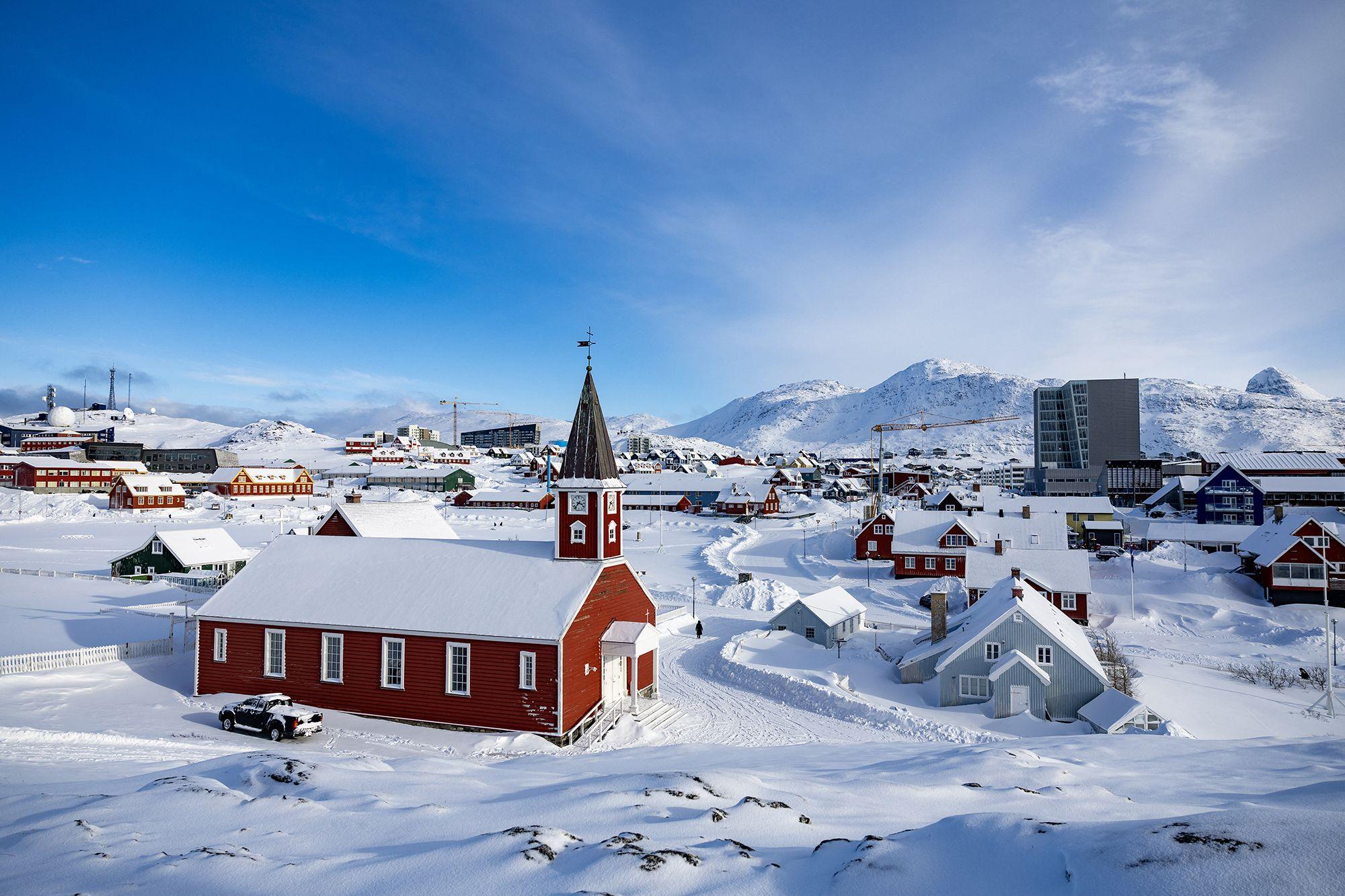
In a pivotal moment for geopolitics in the Arctic region, Greenland and Denmark have reaffirmed their commitment to a united alliance amidst growing speculation surrounding former President Donald Trump’s interest in acquiring the expansive territory. This declaration of solidarity comes as both nations seek to navigate the complex dynamics of international relations influenced by climate change, economic interests, and military strategy in the North.With Greenland’s resources increasingly in demand and its strategic location becoming a focal point for global powers,the reaffirmation of ties between Greenland and Denmark signals a crucial step in safeguarding sovereignty and fostering collaboration in a rapidly changing geopolitical landscape. As the implications of Trump’s previous overtures continue to resonate, Greenland and Denmark’s stance underscores their determination to maintain control over their destiny while addressing the challenges and opportunities that lie ahead.
Greenland and Denmark Strengthen Ties in Response to US Geopolitical Ambitions
In a bold move reflecting rising geopolitical tension, Greenland and Denmark are solidifying their alliance in the face of increasing interest from the United States.This strengthening of ties comes amid concerns that U.S. ambitions may threaten the autonomy and resources of Greenland, a semi-autonomous territory of Denmark. Key discussions between the two nations have emphasized the importance of collaboration on various fronts, including environmental protection, defense strategies, and economic development. Both countries are keen to leverage Greenland’s vast natural resources while ensuring that these developments are rooted in sustainability and local governance.
As part of this initiative, a series of agreements have been signed, encompassing:
- Joint Research Initiatives: Focused on addressing climate change and its impacts on the Arctic region.
- Defense Cooperation: Enhancing military readiness and joint exercises in response to fluctuating security dynamics.
- Cultural Exchange Programs: Promoting understanding and unity between the peoples of both nations.
As the geopolitical landscape evolves, the partnership between Greenland and Denmark underscores a shared commitment to safeguarding their interests and fostering a resilient future in the face of external pressures.
Strategic Implications of Increased Cooperation between Greenland and Denmark
The recent reaffirmation of the alliance between Greenland and Denmark holds significant strategic implications,particularly in the context of global geopolitical tensions. The growing interest from the United States in acquiring Greenland under the previous administration showcased the potential vulnerabilities of the territory’s political status. By strengthening their cooperative framework,both Greenland and Denmark can enhance their governance structures,ensuring that the interests of Greenland’s indigenous population are prioritized while simultaneously addressing international concerns regarding territorial integrity and sovereignty. The joint efforts can also delineate a clear stance against any external efforts aimed at undermining their territorial claims,thereby fostering a more stable geopolitical environment in the Arctic region.
Increased cooperation is not without its challenges; however, it also presents unique opportunities for economic and resource development. By pooling resources, Denmark and Greenland can strategically capitalize on Arctic natural resources while addressing environmental concerns through collaborative sustainability initiatives.This partnership may encourage investments in infrastructure, research, and development, vital for harnessing the region’s vast potential. In this very way, the strategic alliance can be framed within the following key focus areas:
- Resource Management: Joint initiatives to explore and manage Arctic resources responsibly.
- Environmental Sustainability: Collaborative efforts to protect the fragile Arctic ecosystem.
- Security Cooperation: Enhancements in joint military and maritime operations.
- Cultural Preservation: Supporting Greenland’s indigenous cultures and rights in policymaking.
Recommendations for Future Engagements in the Arctic Region Amid Global Tensions
The evolving political landscape in the Arctic underscores the urgent need for collaborative frameworks that navigate the complex interplay of national interests and environmental stewardship. As global tensions mount, especially with heightened attention on territorial claims and resource exploitation, stakeholders should prioritize multilateral agreements that encompass a variety of issues, from fishing rights to climate change mitigation. Key recommendations include:
- Establishing a complete Arctic governance body that includes indigenous representation to address local concerns.
- Promoting joint scientific research initiatives to foster transparency and a shared obligation for environmental protection.
- Facilitating bilateral dialogues between nations, not just to compete for influence, but to collaboratively tackle challenges such as melting ice and increasing maritime traffic.
Moreover, as nations seek to reaffirm their positions in this rapidly changing region, a focus on sustainable development is critical. The Arctic’s resources must be managed in a way that respects both the ecosystem and the rights of indigenous peoples. The following strategies could be pivotal:
| Strategy | Description |
|---|---|
| Conservation Zones | Designate areas intended to protect fragile ecosystems from overexploitation. |
| Cultural Exchange Programs | Encourage collaboration between Arctic communities to share past knowledge and practices. |
| Emergency Response Collaborations | Develop rapid response teams to address environmental disasters and hazards in the region. |
Closing Remarks
the reaffirmation of the alliance between Greenland and Denmark has underscored the importance of diplomatic ties amidst shifting geopolitical interests. As discussions surrounding U.S. control over Greenland resurface, Danish officials and Greenlandic leaders remain committed to sovereignty and collaboration. The dynamics play into broader themes of regional security and environmental stewardship in the Arctic, where global powers vie for influence. As the situation evolves, both Denmark and Greenland will seek to navigate their strategic priorities while upholding their longstanding partnership. The implications of these developments extend beyond the North Atlantic, shaping future international relations in an increasingly competitive global landscape.