
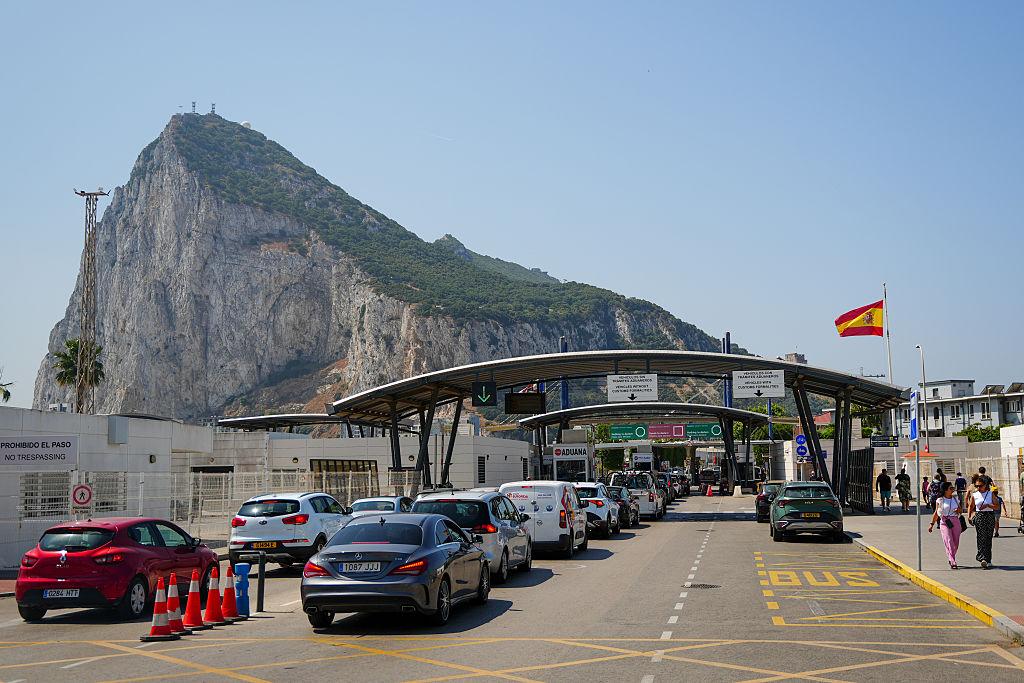
Title: Gibraltar-Spain Border to Vanish in 2026 Under Post-Brexit Deal
In a landmark agreement hailed as a significant step forward in post-Brexit relations, the border separating Gibraltar from Spain is set to disappear by 2026. This deal, driven by negotiations between British and Spanish officials, aims to enhance cross-border cooperation and streamline the movement of people and goods in the region. As both nations work to redefine their relationship in the wake of the United Kingdom’s departure from the European Union, the forthcoming changes raise questions about the future of Gibraltar, a British Overseas Territory, and the dynamic between local communities that have historically faced the challenges of border restrictions. With the countdown to this transformative milestone underway, stakeholders on both sides are preparing for the implications of a borderless future.
Gibraltar-Spain Border Set to Disappear in 2026 Under Historic Post-Brexit Agreement
The historic agreement between Gibraltar and Spain marks a significant shift in the post-Brexit landscape, paving the way for the removal of the existing border by 2026. This landmark decision is expected to enhance cross-border cooperation and promote trade, tourism, and cultural exchange between the two regions. Key aspects of the agreement include:
- Seamless Movement: Residents will no longer face border checks, allowing for unhindered travel.
- Joint Ventures: Initiatives to boost economic collaboration in sectors such as tourism and fisheries.
- Security Cooperation: Enhanced efforts to address any illicit activities along the border area.
- Environmental Sustainability: Joint projects aimed at preserving the unique ecosystems of the region.
This unprecedented collaboration signals a new era of relationships between Gibraltar and Spain, reflecting a mutual desire to foster unity and remove physical divisions. Consequently, this agreement lays the groundwork for a thriving bi-national community and could potentially serve as a model for other border regions. Observers are particularly interested in how the removal of physical barriers will influence local culture, social dynamics, and the economy, as both sides are enthusiastic about the potential benefits.
| Key Benefits | Description |
|---|---|
| Enhanced Trade | Improved access for businesses to cross-border markets. |
| Tourism Growth | Increased visitor numbers, boosting local economies. |
| Cultural Exchange | Increased interaction and collaboration between communities. |
Implications for Trade and Travel as Bilateral Relations Transform
The upcoming changes heralding the imminent dissolution of the Gibraltar-Spain border by 2026 are set to reshape trade dynamics in the region significantly. This bold move, stemming from a post-Brexit agreement, aims to facilitate smoother commerce between the two territories. Businesses on both sides are likely to experience transformations in their supply chains, leading to enhanced efficiency and reduced costs. Key implications include:
- Enhanced Trade Opportunities: The removal of border restrictions will allow for freer movement of goods, potentially increasing exports from Gibraltar and imports from Spain.
- Streamlined Customs Procedures: Companies can expect less bureaucratic red tape, paving the way for faster transactions and reduced waiting times.
- Growth in Tourism: With barriers lifted, tourism is poised to flourish, benefitting local economies on both sides.
On the travel front, the changes promise to foster a more integrated experience for individuals crossing between Gibraltar and Spain. Travelers will enjoy a more seamless passage, transforming the daily commute for many workers and visitors alike. With these changes, the focus may shift towards investment in infrastructure to support increased foot traffic. Considerable areas of exploration include:
- Improved Mobility: Enhanced transport links could emerge, supporting more efficient transit options.
- Cultural Exchange: The easier movement may lead to greater cultural interactions and collaborations, enriching communal ties.
- Safety and Security: Collaborative measures will likely be necessary to address new challenges in border management.
Recommendations for Stakeholders to Navigate the New Landscape in Gibraltar and Spain
As stakeholders prepare for the implications of the elimination of the Gibraltar-Spain border in 2026, it is essential to adopt proactive strategies to ensure seamless operations. Businesses should engage in open dialogues with local and Spanish authorities to establish clear compliance strategies, emphasizing the need for harmonized regulations that cater to the unique circumstances of cross-border operations. Additionally, investing in technology to improve logistical efficiencies and supply chain management will be crucial in navigating potential disruptions during the transition phase.
Moreover, community leaders and policy makers must prioritize collaborative initiatives that foster mutual growth. This could include:
- Joint economic forums to discuss shared interests
- Cultural exchange programs to build stronger interpersonal ties
- Workshops focusing on post-Brexit trade opportunities
To further enhance integration, a strategic focus on infrastructure development is advisable, laying down the groundwork for a more interconnected region. Below is a simple overview of key focal areas:
| Focus Area | Description |
|---|---|
| Transportation | Enhance cross-border connectivity via public transport and vehicular access. |
| Trade Facilitation | Streamline customs processes to expedite goods movement. |
To Wrap It Up
In conclusion, the impending elimination of the Gibraltar-Spain border in 2026 marks a significant shift in post-Brexit relations, poised to reshape the dynamics of cross-border movement and economic interaction in the region. This landmark agreement underscores the potential for collaborative governance and shared opportunities, as both Spain and Gibraltar navigate the complexities of their evolving relationship. As citizens on both sides prepare for a future without physical barriers, the world will be watching closely to see how this bold step toward integration influences political, social, and economic landscapes in the years to come. With the ink still drying on the details of the deal, it remains essential for stakeholders to engage in open dialogue to ensure that the benefits are realized by all involved, paving the way for a new era of cooperation in the post-Brexit landscape.










