
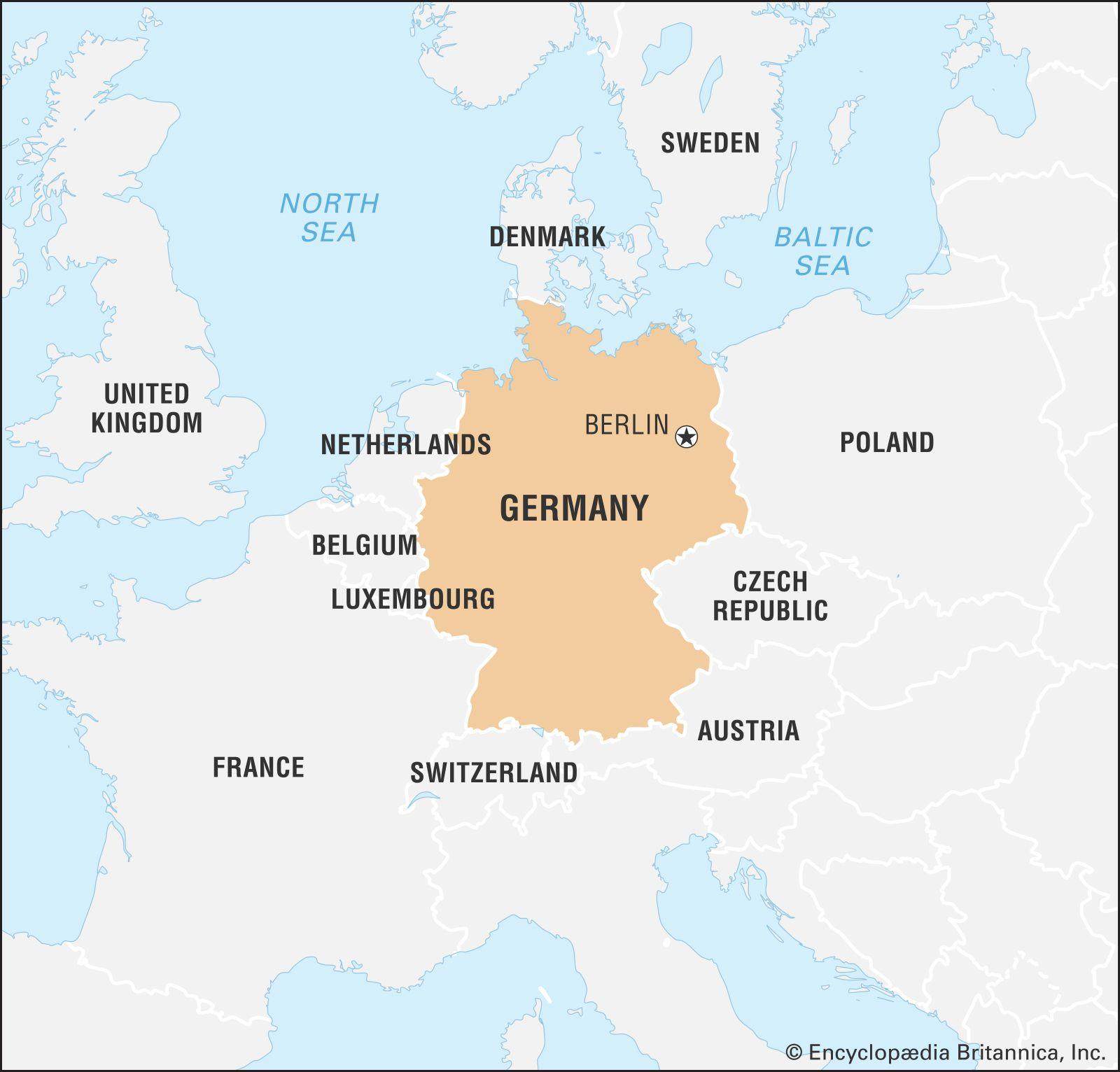
In a pivotal move aimed at addressing the escalating conflict in Gaza, Germany and France have united in their call for a substantial United Nations (UN) role to facilitate peace in the region. As violence continues to flare, with significant humanitarian consequences for the civilian population, both nations emphasize the urgent need for an international framework to stabilize the situation and encourage diplomatic dialogue. This collaborative effort highlights a growing recognition among European leaders of the necessity for a consolidated response to one of the most pressing crises in recent memory, inviting further discussion on the effectiveness of global governance in conflict resolution. In this article, we delve into the implications of this call from Berlin and Paris, the potential impact on UN involvement, and the broader geopolitical landscape influencing efforts for peace in Gaza.
Germany and France Advocate for United Nations Intervention in Gaza Conflict
In a bold diplomatic move, Germany and France have jointly urged for a substantial United Nations intervention to address the ongoing conflict in Gaza, emphasizing that international collaboration is essential for sustainable peace. German Chancellor Olaf Scholz and French President Emmanuel Macron articulated their shared vision during a recent press conference, asserting that the escalating violence requires a decisive and unified response from the global community. They highlighted several key reasons for the UN’s involvement:
- Humanitarian Crisis: The urgent need to alleviate the suffering of civilians caught in the crossfire.
- Stability in the Region: Preventing further escalation that could destabilize neighboring countries.
- Long-term Solutions: Establishing a framework for lasting peace and a negotiated two-state solution.
In light of recent escalations, Germany and France aim to mobilize international support for their initiative, seeking to reignite discussions around peace talks that have long been stalled. The leaders called for an emergency meeting of the UN Security Council to address the humanitarian situation and to consider the deployment of peacekeeping forces if necessary. Both nations stressed their commitment to working with other key international players, including the United States and regional powers, to forge a collective strategy that prioritizes the safety of civilians and the restoration of dialogue between conflicting parties.
| Key Initiatives | Objective |
|---|---|
| UN Peacekeeping Force | Ensure safety and security for civilians |
| Emergency Humanitarian Aid | Provide essential support to affected populations |
| Reinstating Peace Talks | Work towards a two-state resolution |
Examining the Implications of European Leadership in Middle East Peace Efforts
In the wake of escalating violence and humanitarian crises in the Gaza region, the calls for a more active role of the United Nations by Germany and France highlight a crucial shift in European foreign policy regarding Middle Eastern peace efforts. Both countries have emphasized the need for international intervention, suggesting that a UN-led initiative could provide more comprehensive support to establish a ceasefire. This approach aims to create a framework not only for immediate de-escalation but also for long-term solutions that encompass security, governance, and economic development in Gaza.
European leadership, particularly from Germany and France, signals a re-engagement with Middle Eastern geopolitics that may redefine the balance of influence in peace negotiations. By pushing for a coordinated international response, European nations seek to counterbalance other dominant actors in the region. The proposal includes potential cooperation models encompassing:
- Humanitarian aid deployment
- Monitoring ceasefire agreements
- Facilitating dialogue between conflicting parties
This renewed emphasis on multilateralism may not only enhance the efficacy of peace efforts but also strengthen Europe’s role as a mediator in ongoing conflicts. As the situation evolves, the international community will closely monitor the outcomes of these diplomatic engagements.
Recommendations for Enhancing UN Efficacy in Addressing the Gaza Crisis
To bolster the effectiveness of the United Nations in bringing about a sustainable resolution to the ongoing crisis in Gaza, a multi-faceted approach is essential. First, increasing diplomatic engagement among member states would enhance consensus on interventions and aid deployment. Key strategies include:
- Regular peace summits involving both regional stakeholders and global powers to foster dialogue.
- Establishment of a dedicated UN task force for Gaza that monitors developments and coordinates humanitarian efforts.
- Enhanced transparency and reporting mechanisms on resource allocation to ensure that aid reaches those most in need.
In addition, the UN should prioritize capacity building within agencies and partner organizations, allowing them to respond swiftly to changing conditions on the ground. Possible initiatives could encompass:
- Training programs for local aid workers to better equip them in delivering necessary services under challenging circumstances.
- Investment in local infrastructure to improve the efficiency of humanitarian assistance delivery.
- Collaboration with NGOs to develop community-based interventions that are culturally sensitive and sustainable.
Insights and Conclusions
In conclusion, the united call from Germany and France for the United Nations to take a more active role in securing peace in Gaza underscores the urgent need for international intervention in the region. As the conflict continues to escalate, the joint initiative reflects a growing consensus among European powers regarding the necessity of a coordinated response to restore stability and protect civilian lives. The upcoming discussions at the UN will be critical in determining how effectively the international community can mobilize resources and diplomatic efforts to address the humanitarian crisis in Gaza. As the situation evolves, all eyes will be on the global stage to see whether these diplomatic overtures can pave the way for a lasting resolution to a conflict that has persisted for far too long.










