
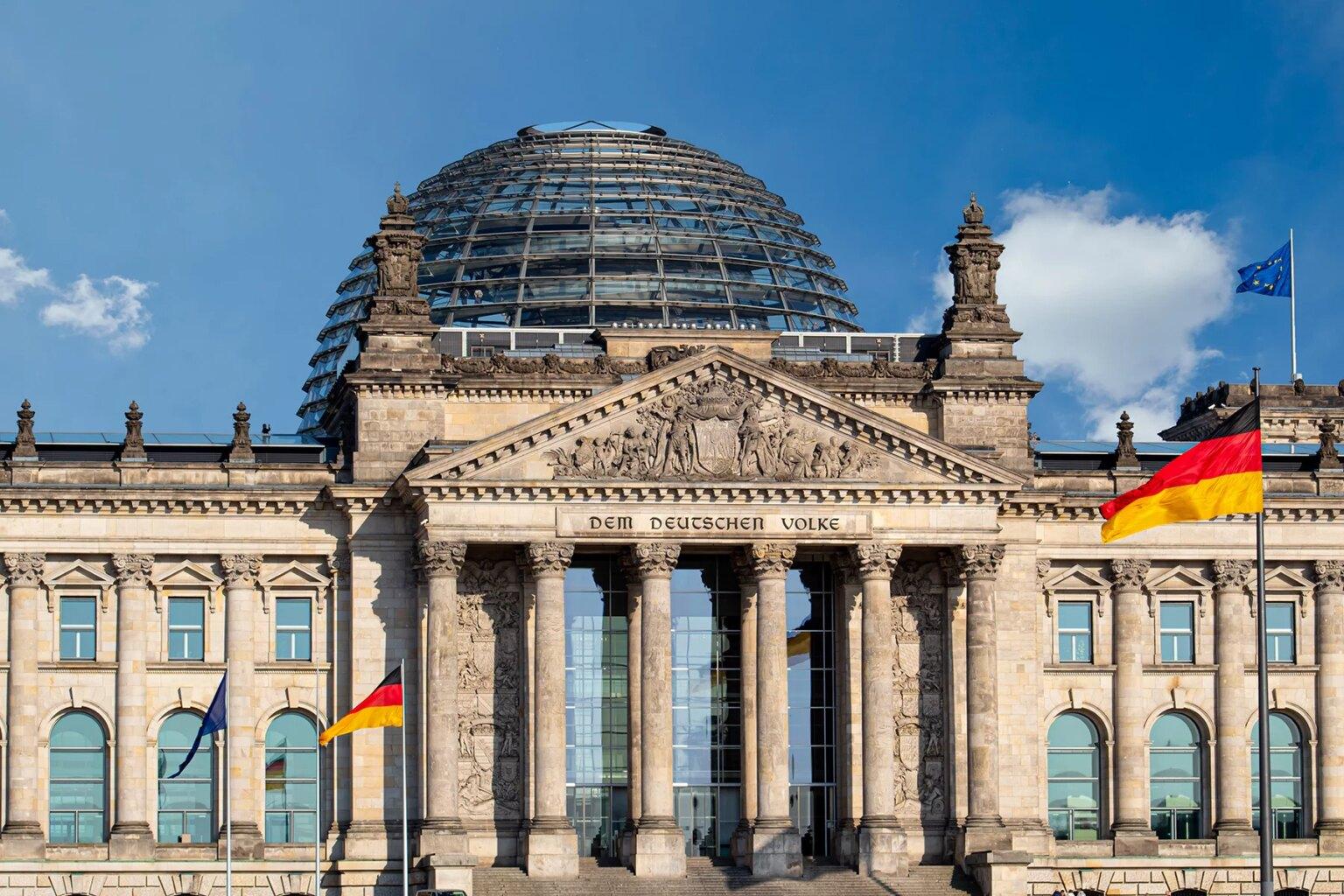
Germany’s Government Grapples with Internal Disputes Over the Reintroduction of Compulsory Military Service Amid Escalating Security Concerns
As geopolitical tensions rise and security challenges become more pronounced, the German government finds itself embroiled in a vigorous debate over the possible reinstatement of mandatory military service. This discourse has unveiled significant divisions within the ruling coalition, sparking passionate discussions about national defense priorities and the future trajectory of Germany’s armed forces, known as the Bundeswehr.Supporters argue that reintroducing conscription is essential for bolstering military readiness and fostering a sense of civic duty among citizens. Conversely, opponents raise concerns about personal freedoms and question whether a volunteer-based military can adequately address modern demands. As Germany reassesses its role within NATO and Europe, this internal conflict underscores the delicate balance between military needs and democratic values in an ever-changing global surroundings.
Internal Divisions on Compulsory Military Service Amid Security Challenges
The ongoing debate regarding mandatory military service has exposed stark divisions among government officials. Proponents assert that given escalating security threats across Europe-particularly due to ongoing conflicts such as those arising from Ukraine-a robust defense strategy is crucial. They emphasize several benefits associated with reinstating conscription:
- Enhanced National Defense: An increased military presence could deter potential aggressors.
- Heightened Readiness: A larger pool of trained personnel would enable quicker crisis responses.
- Civic Responsibility: Mandatory service could strengthen community bonds among citizens.
On the flip side, dissenters within the coalition caution against reintroducing compulsory service due to potential societal repercussions on young individuals. They argue that in today’s advanced warfare landscape, adaptability through professional volunteer forces may be more effective than conscription.Key concerns raised by critics include:
- Individual Freedoms: Mandatory service may infringe upon personal rights.
- Eeconomic Impact: Interruptions to education or employment could adversely affect economic stability.
- Evolving Warfare Needs:A volunteer army can adapt more readily to technological advancements.
As discussions continue, it will be vital for policymakers to weigh both perspectives while determining how best to tackle emerging global security challenges.
Growing Discourse on National Defense as Support for Conscription Faces Resistance
Germany’s shifting national security landscape has intensified debates over mandatory military service among lawmakers and citizens alike. Advocates maintain that reinstating conscription could bolster readiness levels while instilling civic duty in younger generations. Strong supporters emphasize that recent geopolitical changes-especially those occurring in Eastern Europe-necessitate a fortified defense posture; they believe mandatory enlistment would help mitigate recruitment shortages faced by Bundeswehr.
Conversely, vocal critics express concern about how compulsory service might undermine individual freedoms while imposing undue burdens on society at large. They contend that mandating young people into armed forces contradicts democratic ideals centered around personal choice. Additionally, detractors highlight financial strains linked with scaling up conscription efforts alongside potential public discontent; they propose voluntary recruitment strategies might yield superior outcomes overall.The divide within government reflects broader societal sentiments towards militarization-with each faction passionately advocating their vision for a secure Germany.
Call for Comprehensive Review of Military Frameworks and Public Engagement Regarding Conscription Reinstatement
In light of ongoing discussions surrounding potentially reinstating compulsory military service in Germany, experts are advocating thorough evaluations concerning both current military structures as well as public engagement initiatives related thereto.Key figures from fields such as defense studies,sociology,and public policy stress any transition toward mandatory enlistment must not only assess operational readiness but also account for societal impacts along with prevailing public sentiment.Issues warranting attention include:
- Diversity Integration Strategies: How will compulsory enlistment accommodate individuals from varied backgrounds?
- < strong >Civic Perception Management:< / strong > What strategies can reshape views towards serving one’s country?
- < strong >Training & Deployment Logistics : Is existing infrastructure capable enough handle sudden influx personnel ?
Moreover , specialists underscore importance engaging civilian populations when discussing modern-day roles played by militaries . Suggested methods encompass organized town hall meetings , educational programs integrated into school curricula , partnerships local organizations aimed fostering collective accountability .Below outlines proposed framework facilitating such engagements :
Engagement Activity Description Target Audience Public Forums Open dialogues addressing benefits obligations associated with serving nation.< / td > Civilians , veterans , policymakers < td >School Programs < td Community Workshops   Conclusion: Navigating The Path Forward Amid Complexities Ahead
The conversation surrounding reintroducing mandatory military service reveals deep-seated divisions within German governance.As advocates champion its potential advantages-including enhanced national security-opponents voice legitimate concerns regarding individual liberties alongside effectiveness voluntary forces.In light today’s shifting geopolitical dynamics,this discussion transcends mere policy implications; it raises fundamental questions about identity,responsibility,and future approaches toward defense amidst change.As deliberations unfold,the challenge remains balancing pressing needs against core democratic principles-a task poised substantially influence forthcoming German defense policies.With time running short,the resolution remains uncertain signaling critical decisions lie ahead both policymakers citizens alike.
Unlocking Tomorrow: H.E. Ambassador Duarte Lopes Shares Visionary Insights on Europe, North Africa, and the Mediterranean
During a recent event hosted by the Stimson Center, participants delved into a captivating discussion about the evolving relationships between...
Read moreDetails









