
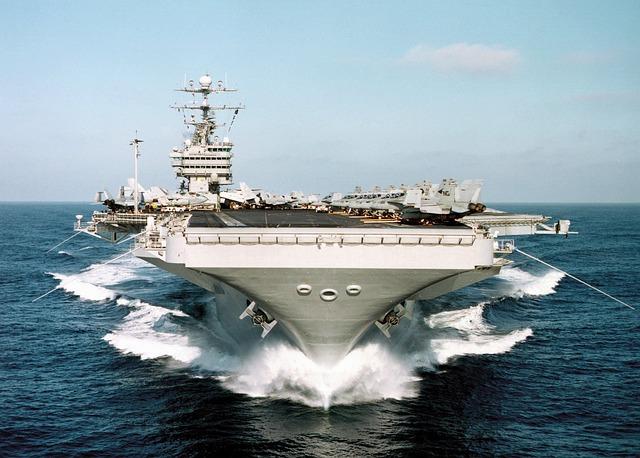
France to Build First Aircraft Carrier in Decades: A New Era for Naval Power
In a landmark decision signaling a renewed commitment to maritime strength, France has announced plans to construct its first aircraft carrier in nearly four decades. As geopolitical tensions rise and global security landscapes shift, this ambitious project aims to bolster the French Navy’s capabilities and reinforce France’s status as a leading naval power. The initiative reflects a broader strategic paradigm, positioning France to better respond to emerging threats and maintain its influence on the world stage. With this significant investment in defense infrastructure, the French government underscores its dedication to safeguarding national interests and enhancing its operational readiness. As the details of the project unfold, the implications for regional security and international relations will undoubtedly draw widespread attention.
France’s Ambitious Aircraft Carrier Project Sets New Naval Strategy
France is embarking on a transformative naval endeavor with the announcement of its first aircraft carrier in decades, signaling a significant shift in its military capabilities and maritime strategy. This project aims to enhance France’s position in global naval power, addressing modern security challenges while reinforcing its commitment to NATO and European defense. The planned ship, set to be operational in the late 2030s, is expected to incorporate cutting-edge technology, including advanced combat systems, sophisticated launch and recovery operations, and a focus on sustainability.
Key features of the new aircraft carrier include:
- Increased Capacity: Designed to support a larger fleet of aircraft, enhancing operational flexibility.
- Multi-Role Capabilities: Ability to perform diverse missions, from conventional warfare to humanitarian assistance.
- State-of-the-Art Systems: Integration of artificial intelligence and automation to enhance situational awareness.
| Feature | Details |
|---|---|
| Displacement | Approximately 70,000 tons |
| Flight Deck Size | Large enough for 40+ aircraft |
| Expected Launch | Late 2030s |
This ambitious project not only reflects France’s determination to bolster its naval forces but also serves to strengthen its alliances with partner nations. As geopolitical tensions rise, the deployment of such formidable capabilities underscores the importance of maintaining a robust maritime presence in key areas of interest, particularly in the Indo-Pacific region. Through this initiative, France is poised to assert itself as a crucial player in the evolving landscape of international defense strategy.
Technological Innovations and Economic Impacts of the New Carrier
The construction of France’s first aircraft carrier in decades marks a significant leap in naval capabilities that is expected to yield profound economic benefits. The project, estimated to generate thousands of jobs during its development phase, is not only vital for national defense but also serves as a catalyst for technological advancements. As a response to evolving security challenges, the carrier will integrate sophisticated technologies such as advanced communications systems, stealth capabilities, and unmanned aerial vehicles, thereby enhancing France’s position in global military engagements. The ripple effect of this innovation will likely stimulate various sectors, including engineering, manufacturing, and cybersecurity, contributing to a more resilient economy.
Moreover, the investment in this new carrier represents a strategic approach to revitalizing the French maritime industry. By partnering with leading defense contractors, the initiative encourages public-private collaborations that foster innovation and drive competition. Key economic impacts include:
- Job Creation: Thousands of skilled jobs will be created, spanning from design to construction and maintenance.
- Trade Opportunities: Increased demand for materials and components can lead to expanded export markets.
- Technological Spin-offs: Innovations developed for military applications can transition to commercial sectors, boosting overall productivity.
The financial investment associated with the aircraft carrier is projected to generate significant returns. As illustrated in the table below, the long-term economic outlook indicates substantial growth across multiple sectors, showcasing the strategic importance of this endeavor:
| Sector | Projected Growth (%) | Job Opportunities |
|---|---|---|
| Manufacturing | 15% | 2,500+ |
| Engineering | 20% | 1,800+ |
| Cybersecurity | 30% | 1,200+ |
This comprehensive approach not only bolsters France’s military readiness but also encapsulates a forward-thinking economic strategy poised to enhance national security while stimulating growth across diverse industries.
Strategic Implications for France and NATO in a Shifting Geopolitical Landscape
The recent announcement by France to construct its first aircraft carrier in decades marks a pivotal moment in European defense strategy, particularly as Russia’s assertiveness continues to fluctuate the stability of the continent. This bold step not only reaffirms France’s commitment to maintaining a strong naval presence but also resonates with NATO’s broader objectives of deterrence and collective security. With burgeoning tensions in the Indo-Pacific region and a focus on countering emerging threats, the enhanced capabilities offered by this carrier are likely to play a significant role in France’s ability to project power, rapidly respond to crises, and reinforce alliances within NATO.
In light of these developments, several strategic implications emerge for both France and NATO:
- Enhanced Maritime Security: The new carrier will significantly bolster France’s maritime surveillance and defensive capabilities, crucial for safeguarding trade routes and maintaining regional stability.
- Strengthened NATO Cooperation: France’s naval expansion aligns with NATO’s increased focus on maritime operations, providing opportunities for joint exercises and interoperability among member states.
- Geopolitical Influence: A modern aircraft carrier enhances France’s role as a key player in both European defense and international maritime negotiations, shifting the geopolitical balance towards a multipolar world.
| Key Features | Strategic Benefits |
|---|---|
| Advanced Technology | Improved operational efficiency and combat readiness |
| Longer Deployment Duration | Enhanced global reach for humanitarian missions and combat operations |
| Interoperability with NATO Assets | Strengthened alliance capabilities and unified command structures |
The Way Forward
In conclusion, France’s ambitious plan to construct its first aircraft carrier in decades marks a significant investment in its maritime defense strategy and reflects the country’s commitment to modernizing its naval capabilities. As tensions rise globally and the need for a formidable naval presence becomes increasingly evident, this move will likely enhance France’s operational readiness and bolster its influence on the international stage. The new carrier not only signifies a technological advancement but also serves as a strategic response to shifting geopolitical dynamics. As the project unfolds, it will be crucial to monitor its implications for regional security and the broader defense landscape in Europe and beyond.










