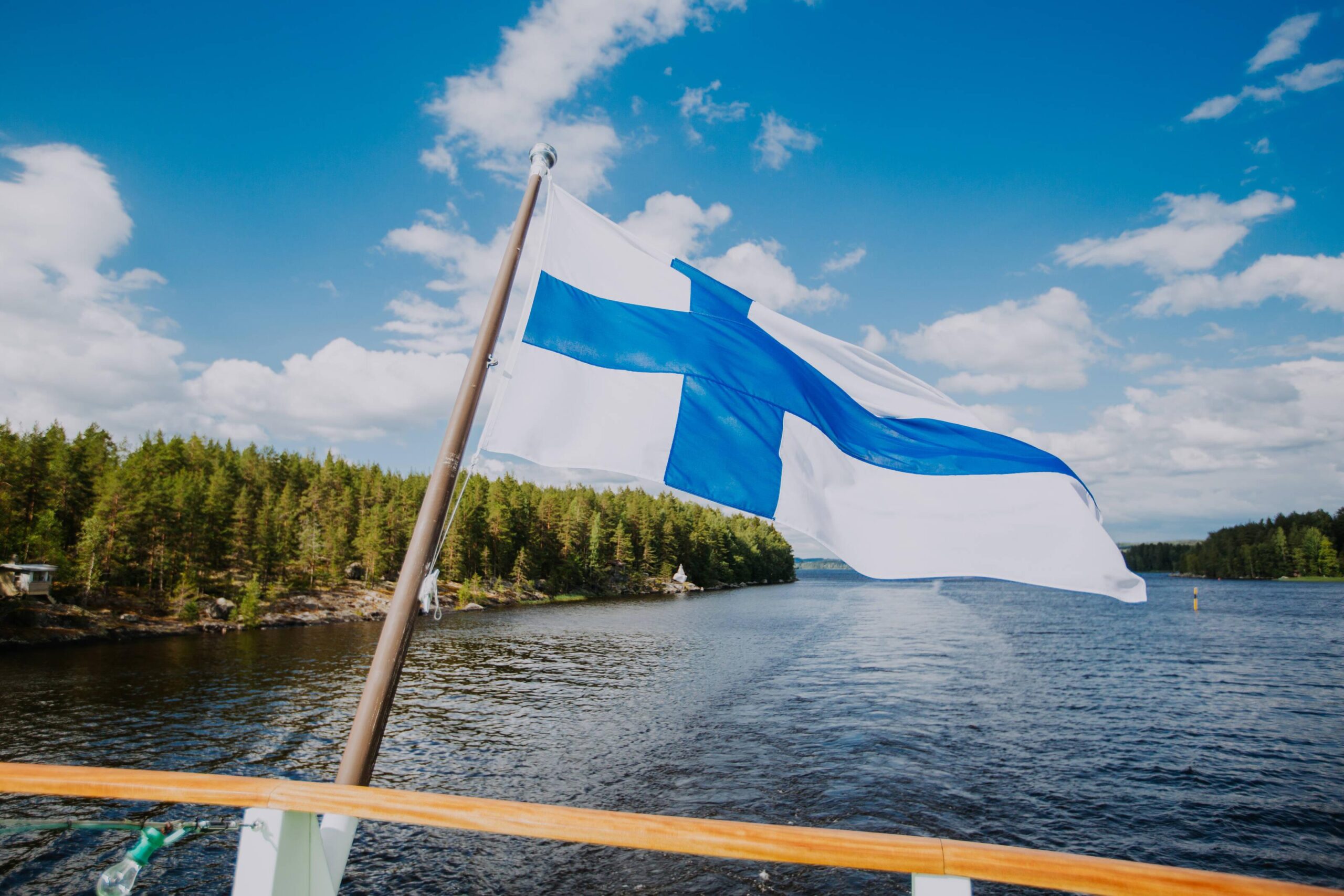
Finland’s NATO Membership: A New Chapter in Northern European Security
In a significant shift for Northern European security dynamics, Finland has officially joined the North Atlantic Treaty Organization (NATO), marking a historic moment for both the nation and the military alliance. This decision comes in the wake of evolving geopolitical tensions, especially with neighboring Russia, prompting Finland and its Nordic counterparts to reassess their defense strategies. As the newest member of NATO, Finland stands poised to enhance the alliance’s northern flank and reinforce collective security efforts in a region increasingly characterized by uncertainty. This article explores the implications of Finland’s NATO membership,the motivations behind the decision,and what it means for future relations within the alliance and with Russia.
Strengthening Strategic Partnerships: Finland’s Role in NATO’s Collective Defense Framework
Finland’s accession to NATO marks a significant shift in the geopolitical landscape of Northern Europe, reinforcing the collective defense framework that underpins the alliance. As a nation sharing an extensive border with Russia, Finland brings invaluable strategic insight and resources to NATO’s mission. The collaboration between Finland and allied countries is evident in various domains, enhancing operational readiness and interoperability. Key factors enhancing Finland’s role include:
- Geographical Advantage: Finland’s location offers NATO critical access points and surveillance capabilities in the Baltic Sea region.
- Enhanced Military Capabilities: Finland’s technologically advanced military assets contribute to NATO’s depth in air,land,and maritime defense.
- Robust Exercises: Joint military exercises with NATO allies foster a culture of cooperation and provide practical training for shared defense scenarios.
Through its commitment to the alliance, Finland is not only safeguarding its national security but also fostering a unified front against potential threats. The integration of Finnish forces into NATO operations exemplifies collaborative defense in action, as demonstrated in training initiatives and intelligence sharing.A closer partnership is being formalized with key NATO members, aimed at consolidating military strategies. The following table outlines crucial recent collaborations and developments:
| Collaboration | Date | Key Outcomes |
|---|---|---|
| Joint Air Exercises | June 2023 | Improved Air Defense Coordination |
| Cyber Defense Symposia | September 2023 | Enhanced Cyber Resilience Strategies |
| Multinational Brigade Formation | August 2023 | Strengthened Ground Force Capabilities |
Navigating Regional Security Challenges: Implications of Finland’s NATO Membership for Baltic Security
Finland’s ascension to NATO has raised significant implications for security dynamics in the Baltic region. As the alliance expands its eastern flank, the strategic positioning of Finnish armed forces, bolstered by NATO’s collective defense clause, enhances deterrence against potential aggressions in the area. The integration of Finland,with its robust military capabilities and geographic advantage,provides NATO with a vital operational foothold that can swiftly respond to crises in neighboring states such as Estonia,Latvia,and Lithuania.
Moreover, Finland’s NATO membership invites a reevaluation of defense cooperation among Baltic states. Enhanced military exercises,intelligence sharing,and joint operations could become commonplace,fostering greater cohesion in regional defense strategies. The increase in NATO presence may also encourage investments in national defense improvements across the Baltic nations, ensuring they are better prepared to face evolving security challenges. This collective enhancement of capabilities is further underscored by the following key benefits:
- Increased deterrence: A united front against potential threats.
- Faster response times: Enhanced deployment capabilities of NATO forces.
- Economic investments: Growth in defense industry and infrastructure.
- Stronger alliances: Solidifying ties among Nordic and Baltic nations.
Fostering Cooperation and Integration: Recommendations for Enhancing Finland-NATO Relations in the 21st Century
To elevate Finland’s collaboration with NATO in the current geopolitical landscape, several strategic measures should be prioritized. First and foremost,enhanced joint military exercises can serve as a cornerstone for integration,fostering a deeper understanding of operational protocols among Finnish and NATO forces. These exercises should encompass various terrains and scenarios, particularly in Arctic conditions, to reflect the unique challenges that both parties could encounter. Moreover, establishing a biannual defense dialog forum could facilitate open dialogue regarding defense posture, threat assessments, and mutual capabilities, thereby ensuring seamless coordination during crises.
In addition, strengthening defense industry partnerships will be crucial in fostering interdependence and innovation. Promoting co-progress projects in advanced technologies, such as cyber defense and unmanned systems, can yield mutual benefits while enhancing operational readiness. Furthermore, improving intelligence-sharing mechanisms will not only enhance situational awareness but also build trust between Finland and NATO members. To support these objectives effectively, we recommend setting up a dedicated working group that focuses specifically on Finland-NATO relations, tasked with periodically assessing challenges and opportunities within this partnership.
Insights and Conclusions
As Finland solidifies its position within NATO, the implications of this strategic partnership extend far beyond the Nordic region. As a nation with a rich history of military neutrality, Finland’s new alignment signals a significant geopolitical shift in Europe, particularly in the face of growing security challenges. With increased cooperation on defense, shared intelligence capabilities, and a collective commitment to regional stability, Finland’s accession to NATO is poised to enhance both its national security and that of its allies. As the global landscape continues to evolve, the relationships forged within this alliance will be crucial in shaping the future of defense and diplomacy in an increasingly complex world. Analysts and policymakers alike will be watching closely as Finland navigates its new role on the global stage, seeking to balance its ancient ties with a modern military alliance in a time of uncertainty.