
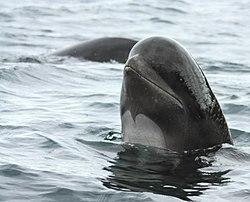
Tragic Start to 2024: Pilot Whale Hunt in the Faroe Islands Sparks Global Outcry
The year 2024 began on a somber note for marine conservation as the Faroe Islands conducted its first pilot whale hunt, resulting in the death of forty whales. This annual event, part of a contentious traditional practice, has once again attracted significant international criticism. The sea Shepherd Conservation Society, known for its commitment to protecting marine wildlife, reported this incident and urged immediate action. Their statement emphasized the ongoing discussions about the ethical considerations surrounding whaling practices in this North Atlantic archipelago. As global conversations about cultural traditions and animal rights gain traction, the fate of these bright creatures has reignited a complex debate regarding heritage versus conservation.
Resumption of Pilot whale Hunting in the Faroe Islands: A call for Action
The recent continuation of pilot whale hunting in the Faroe Islands has sparked intense discussions about balancing cultural customs with conservation efforts. During this year’s inaugural grind, around 40 pilot whales were killed, provoking outrage among animal rights activists worldwide. The Sea Shepherd Conservation Society condemned this act as not only a brutal manifestation of maritime tradition but also as detrimental to dwindling populations of these sentient beings. Despite passionate appeals from environmentalists and scientists alike, local authorities maintain that such hunts are integral to their cultural identity—complicating discussions on animal welfare and cultural preservation.
In light of this distressing occurrence, various conservation organizations are advocating for urgent global intervention to address the challenges faced by pilot whales in these waters. They stress that an international dialogue is essential for developing sustainable solutions that honor cultural identities while prioritizing wildlife protection. Proposed initiatives include:
- Educational Campaigns: Raising awareness within local communities about ecological consequences associated with whaling.
- Tighter Regulations: Pushing for enhanced legal frameworks aimed at safeguarding marine species.
- Cross-Border Collaborations: Partnering with global organizations to bolster conservation initiatives.
The focus remains firmly on the Faroe Islands as tensions rise between tradition and ecological responsibility. Activists remain hopeful that widespread public concern can lead to meaningful changes ensuring these majestic animals’ survival for future generations.
Marine Ecosystems and Animal Rights: An In-Depth Analysis
The recent killing of forty pilot whales,during January’s grind event in the Faroe Islands raises critical alarms regarding marine ecosystem sustainability. Known locally as grindadráp, this longstanding custom poses significant threats to ocean biodiversity. The loss inflicted by such hunts disrupts local ecosystems by altering predator-prey dynamics and diminishing genetic diversity among species populations. As apex predators,pilot whales play an essential role in maintaining healthy marine environments through their feeding habits which regulate other species’ numbers and nutrient distribution within their habitats.
This incident has also reignited vital conversations surroundinganimal rights and ethical considerations related to such hunts; manny advocates argue that protecting marine mammals should take precedence over traditions jeopardizing their existence.The stark reality presented by these slaughters underscores moral dilemmas faced by societies navigating between preserving heritage and promoting conservation efforts.Some key points fueling contention include:
- Cognitive awareness: Studies suggest cetaceans exhibit advanced intelligence levels prompting questions regarding humane treatment standards.
- Ecosystem Disruption:The removal process impacts not just target species but can have cascading effects throughout entire food webs.
< li >< strong >Health Concerns :Eating pilot whale meat raises serious issues due toxic accumulation within food chains .
The intersectionality between preserving culture while advancing environmental stewardship remains contentious globally.Efforts aimed at shifting perspectives towards enhancing protections over vulnerable aquatic life are crucial if we hope practices like whaling become relics rather than repeating historical mistakes .
Advocating Sustainable Solutions: Moving Beyond Traditional Whaling Practices
< p >The tragic events unfolding recently highlight an urgent need reevaluate traditional whaling methods practiced across regions like Faroes . marine advocates emphasize transitioning towards sustainable alternatives prioritizing both ecological integrity alongside respect animal welfare . Potential alternatives could encompass :< / p >-
< li >< strong >Eco-Tourism Initiatives :Encouraging responsible whale watching programs offering ethical ways appreciate oceanic life without harm.< / li >
- < strong >Educational Outreach Programs :Implementing community-based education fostering thankfulness understanding ecosystems while providing non-lethal options replace hunting.< / li >
- < strong >Community Engagement :Involving locals actively participating alternative livelihoods reducing dependence upon hunting activities.< / li >
< p >< br /> Moreover , collaboration amongst governments , scientific bodies , indigenous groups is paramount establishing new pathways aligning with global objectives concerning biodiversity preservation .Essential strategies include :< / p >
< strong Strategy Conclusion: A Call For Change Amidst Tradition And Conservation Efforts
Unlocking Tomorrow: H.E. Ambassador Duarte Lopes Shares Visionary Insights on Europe, North Africa, and the Mediterranean
During a recent event hosted by the Stimson Center, participants delved into a captivating discussion about the evolving relationships between...
Read moreDetails









