
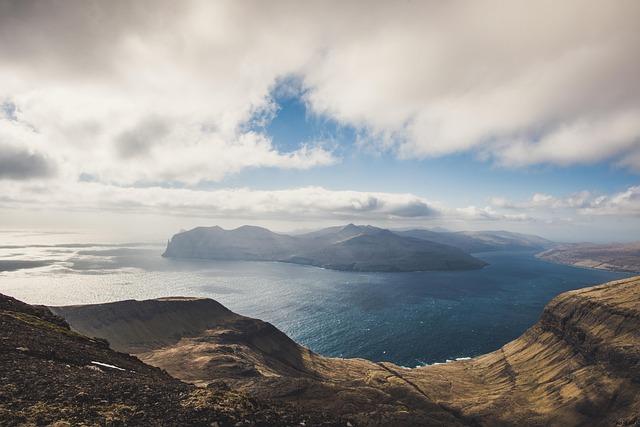
Faroe Islands: 100% Renewable Goal With Global Relevance
In an era where climate change demands urgent action, the Faroe Islands are emerging as a beacon of sustainability and innovation. This small archipelago, located between Iceland and Norway, is setting an ambitious goal of achieving 100% renewable energy by 2030, positioning itself as a vital player in the global push for green energy solutions. As countries worldwide grapple with the challenges of transitioning from fossil fuels to sustainable alternatives, the Faroe Islands’ commitment not only highlights the potential of renewable resources but also underscores the significance of local initiatives in addressing global environmental crises. This article explores the Faroe Islands’ roadmap to achieving this remarkable feat and examines the lessons their experience might offer to larger nations striving for a sustainable future.
The Faroe Islands Embrace Renewable Energy: A Model for Global Sustainability Efforts
The Faroe Islands are setting a profound example for the world by actively pursuing a goal of achieving 100% renewable energy. This small archipelago, nestled in the North Atlantic, is harnessing its unique geography and climate to transition away from fossil fuels and embrace sustainable practices. The local government has been proactive in investing in diverse renewable sources, including hydropower, wind energy, and solar power, which allows the islands to utilize the abundant natural resources available to them. As of now, over 70% of the energy consumed in the Faroes comes from renewable sources, demonstrating a robust commitment to sustainability that can inspire larger nations to rethink their energy dependencies.
Community engagement plays a critical role in the Faroe Islands’ renewable energy strategy. Residents are increasingly participating in initiatives aimed at reducing carbon footprints and promoting green practices. Key actions include:
- Supporting local energy cooperatives
- Investing in electric vehicle (EV) infrastructure
- Promoting energy efficiency practices in homes and businesses
In addition to these efforts, the islands are developing smart grid technologies that not only enhance energy efficiency but also improve resilience against climate change disruptions. By leading with such forward-thinking policies and community involvement, the Faroe Islands are poised to serve as a global model for sustainable energy utilization, paving the way for future generations and showcasing the possibilities that can emerge from a collective commitment to a greener planet.
Innovative Strategies Driving the Islands Towards Carbon Neutrality
The Faroe Islands are blazing a trail in the quest for carbon neutrality through a series of bold and innovative strategies that prioritize sustainability. By harnessing the power of renewable energy sources, including wind, solar, and hydroelectric power, the islands aim to transform their energy landscape completely. Key initiatives include:
- Investment in Offshore Wind Farms: The government has committed to developing large-scale offshore wind projects that are expected to provide a significant portion of the islands’ energy needs.
- Smart Grid Technologies: Implementing advanced smart grid solutions will enhance energy efficiency and enable better integration of renewable energy sources.
- Community Engagement Programs: Local initiatives are fostering public awareness and participation in sustainable practices, creating a collective resolve to reach carbon neutrality.
Furthermore, the islands are leveraging their unique geographical position to become a hub for green technologies. Collaborative efforts with international organizations and businesses are fostering innovative solutions and creating new economic opportunities. A glimpse into their actionable plans includes:
| Strategy | Description |
|---|---|
| Energy Independence | Transitioning off fossil fuels to achieve 100% renewable energy by 2030. |
| Sustainable Fishing Practices | Implementing eco-friendly fishing to protect marine biodiversity. |
| Carbon Offset Projects | Investing in reforestation and land restoration initiatives. |
Lessons from the Faroe Islands: Key Recommendations for Global Leaders in Renewable Initiatives
The journey of the Faroe Islands toward achieving a 100% renewable energy goal offers valuable insights for global leaders seeking to advance their own sustainability initiatives. One of the most critical lessons is the importance of community involvement in the planning and implementation of renewable projects. Engaging local populations and stakeholders fosters a sense of ownership, ensuring that initiatives are well-received and effectively integrated into daily life. Furthermore, continuous public education on the benefits of renewables can enhance support, encouraging broader participation and investment in green technologies.
Additionally, the Faroe Islands exemplify the effectiveness of diverse energy sources in achieving sustainability. By leveraging wind, hydro, and solar energy in tandem, they demonstrate that no single source can meet all demands. This multi-faceted approach not only ensures consistent energy supply but also provides resilience against market fluctuations and environmental changes. Global leaders should consider establishing a similar framework to diversify their own energy portfolios and reduce dependency on fossil fuels, thereby enhancing national energy security and climate resilience.
| Key Strategies | Benefits |
|---|---|
| Community Engagement | Increased support and participation |
| Diverse Energy Portfolio | Enhanced energy security and resilience |
| Public Education | Greater awareness and advocacy for renewables |
The Way Forward
As the Faroe Islands continue to push toward their ambitious goal of achieving 100% renewable energy, their journey serves as a compelling case study for sustainable development that resonates beyond their shores. With innovative strategies, community engagement, and a commitment to harnessing their rich natural resources, the islands are not merely setting a benchmark for climate action; they are also inspiring a global movement toward renewable energy. As the world grapples with the urgent need to address climate change, the Faroe Islands showcase the possibilities that arise when a small community embraces big ideas. Their experience provides invaluable lessons for nations worldwide, affirming that the transition to a sustainable future is both feasible and imperative. As we watch the Faroe Islands pave the way, one can’t help but wonder how many more communities might follow suit in the quest for a greener planet.










