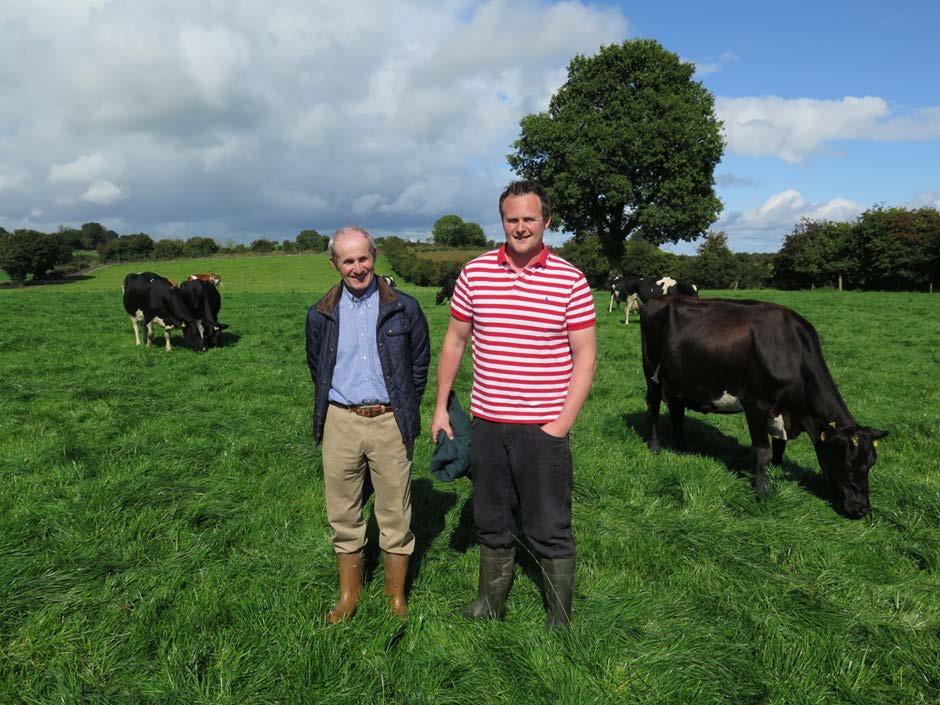
As the impacts of climate change intensify across the globe, farmers in Europe are grappling with an urgent reality: the agricultural practices of the past are no longer lasting. In an era marked by extreme weather events, shifting seasons, and dwindling resources, a growing number of European farmers are voicing a collective sentiment: “We cannot do it the way our fathers did.” This article delves into the challenges faced by the agricultural sector in adapting to the climate crisis, highlighting the innovative strategies being employed, the generational knowledge that must evolve, and the urgent need for systemic change. From the vineyards of France to the fields of Germany, farmers are confronting not only the harsh realities of a warming planet but also the profound impact on their livelihoods and communities. As they navigate an uncertain future, their stories reflect a broader struggle for survival that goes beyond the farm gate, underscoring the significance of sustainable practices in safeguarding food security for generations to come.
Farmers Embrace Innovative Practices to Combat Climate Change Challenges
As climate change escalates, many farmers across Europe are increasingly abandoning traditional methods for innovative practices aimed at enhancing sustainability and resilience. The challenges posed by unpredictable weather patterns and declining yields have prompted a wave of change in agricultural techniques. Farmers are now integrating technology into their operations, employing precision agriculture tools that utilize data analytics to optimize water usage, monitor soil health, and enhance crop productivity. The use of renewable energy sources,such as solar panels and wind turbines,is also gaining momentum,allowing farms to reduce their carbon footprint and operational costs.
Adoption of agroecology and regenerative agricultural methods is becoming common as farmers seek to restore ecosystems and improve soil quality. Techniques such as cover cropping, crop rotation, and agroforestry not only help combat erosion and promote biodiversity but also create carbon sinks that contribute to mitigating climate change. This shift involves not just individual farmers but also community networks that share insights and resources, fostering resilience against climate-induced shocks. To illustrate the diversity of approaches taken, consider the following table highlighting innovative practices employed by farmers across various European countries:
| Country | Innovative Practice | Impact |
|---|---|---|
| Germany | Vertical Farming | Maximizes space and reduces water waste |
| Netherlands | Greenhouse Automation | Enhances climate control and energy efficiency |
| Spain | Drip Irrigation | Minimizes water usage while maximizing crop yield |
| France | Organic Farming | Improves soil health and biodiversity |
Exploring Sustainable Agriculture Solutions for a Resilient Future
The climate crisis is compelling farmers across Europe to reconsider traditional practices that have long been the backbone of agricultural systems. As weather patterns become increasingly unpredictable and extreme, many are finding that the methods handed down through generations are no longer viable. Adaptation is not merely about survival; it’s a transformation towards innovative practices that enhance resilience. Farmers are now turning to sustainable solutions that prioritize the health of the environment and the longevity of their crops. Some of these adaptations include:
- Agroforestry: Integrating trees into farming systems to improve biodiversity and soil health.
- Cover cropping: Planting cover crops during off-seasons to prevent erosion and improve soil fertility.
- Precision agriculture: Utilizing technology to optimize field-level management regarding crop farming.
- Integrated pest management: Employing biological methods and natural predators to reduce reliance on chemical pesticides.
Moreover, collaborative initiatives are emerging to share knowledge and resources among farmers. These partnerships are essential in creating a supportive network that encourages experimentation with new methods and helps to scale sustainable practices. To illustrate this shift, consider the following table showcasing different sustainable practices and their benefits:
| Practice | Benefit |
|---|---|
| Crop Rotation | Enhances soil fertility and reduces pest outbreaks. |
| No-till Farming | Minimizes soil disturbance and promotes organic matter retention. |
| Organic Farming | Reduces chemical input and encourages biodiversity. |
Policy Changes Needed to Support European Farmers in Climate Adaptation Efforts
To effectively assist European farmers in their climate adaptation efforts, targeted policy changes are imperative. First and foremost, governments should implement financial support programs that provide farmers with the resources needed to adopt resilient agricultural practices. This could include grants for investment in innovative technologies such as precision farming tools, as well as subsidies for organic and sustainable farming practices. Moreover, policymakers must facilitate access to research and development funding that supports the exploration of climate-resilient crops and farming methods tailored to specific regional challenges.
In addition to financial resources, a reevaluation of current agricultural policies is essential to promote sustainability over short-term production goals. Innovative policy initiatives could encompass the introduction of crop insurance schemes that specifically address climate-related risks, offering more comprehensive coverage for extreme weather events. Furthermore, establishing collaborative networks among farmers can enhance knowledge sharing about best practices in climate adaptation. By fostering community cooperation and encouraging the exchange of resources, farmers across Europe can better navigate the challenges posed by climate change, ultimately leading to a more resilient agricultural landscape.
Wrapping Up
the challenges faced by farmers across Europe in the wake of the climate crisis underscore a profound shift in agricultural practices and priorities.As they grapple with unpredictable weather patterns, soil degradation, and economic pressures, it is clear that the traditional methods of previous generations are no longer sufficient. Farmers are now at a crossroads, seeking innovative solutions and sustainable practices to ensure food security in an increasingly uncertain environment. The stories shared reflect not only their resilience but also the urgent need for collaborative efforts among policymakers, scientists, and agricultural communities to pave the way for a more sustainable future. As Europe navigates this complex landscape,it is imperative that the lessons learned today shape the farming practices of tomorrow,promoting adaptability and stewardship of the land amidst the ongoing climate crisis.