
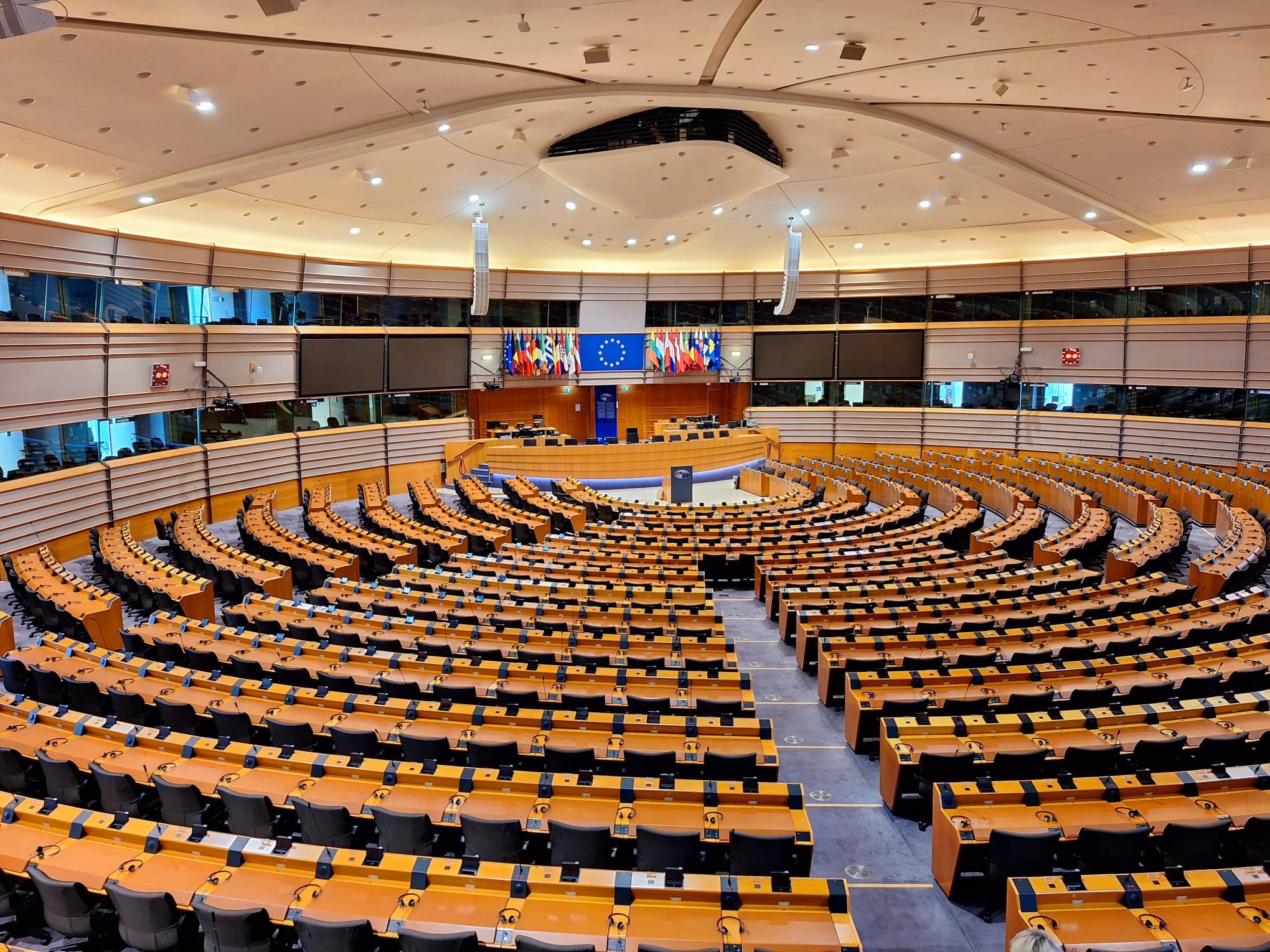
European Parliament Calls for Budget Overhaul in Light of Financial Challenges
In a significant development within the European Union’s financial landscape, members of the European Parliament (EP) have expressed strong discontent with President Ursula von der Leyen’s latest budget proposal. According to a report from Politico, there is growing dissatisfaction among lawmakers regarding essential aspects of this financial strategy, which aims to tackle urgent issues like climate change and economic recovery post-pandemic. As discussions intensify, the call for revisions highlights the complex dynamics between EU institutions and the necessity for a budget that aligns with both member states’ needs and their citizens’ expectations. With rising concerns over spending priorities, these parliamentary demands could significantly reshape the financial agenda and challenge the Commission’s authority in forthcoming months.
Parliament Pushes for Increased Investment in Climate Initiatives
In a united front, Members of the European Parliament are advocating for substantial increases in funding allocated to climate initiatives as part of President Ursula von der Leyen’s upcoming budget revisions. This initiative stems from heightened concerns about the EU’s ability to meet its ambitious climate targets, especially following recent scientific studies emphasizing immediate action. Lawmakers are calling for enhanced resources directed towards projects that promote sustainability, renewable energy advancements, and technological innovation-underscoring comprehensive financial support as crucial for transitioning toward an environmentally sustainable economy.
The main elements of this proposal include:
- Increased Investment in Green Projects: A request to boost budget allocations specifically aimed at renewable energy initiatives and sustainable infrastructure development.
- Supportive Measures for Climate Adaptation: Allocating funds to help member states prepare for and mitigate impacts related to climate change.
- Pursuit of Research & Development Investments: Encouraging innovation within green technologies through targeted fiscal incentives.
The EU is facing escalating challenges due to climate change; thus, these proposed funding increases are seen not merely as adjustments but as essential steps toward achieving long-term sustainability objectives while fulfilling international commitments on climate action.
Lawmakers Call for Enhanced Accountability Measures During Budget Review
A growing demand among EU lawmakers emphasizes transparency concerning public finances as they push hard for stricter accountability measures during their assessment process of Ursula von der Leyen’s contentious budget proposal. This movement reflects an increasing consensus among parliamentarians who argue that public funds must be managed responsibly. Key recommendations include:
- Regular Audits on Fund Allocations: Ensuring effective use of allocated resources.
- Civic Reporting Systems: Allowing citizens access to monitor expenditures and progress across various initiatives.
- Tighter Scrutiny on Beneficiary Organizations: Requiring clear accountability frameworks from entities receiving funding support.
This scrutiny coincides with ongoing discussions surrounding resource allocation towards critical areas such as digital transformation and environmental initiatives. Lawmakers seek clearer specifications within the budget regarding fund usage details. A recent survey indicated significant voter concern over these matters:
| Main Concerns | % Support Among Voters |
|---|
This grassroots movement signals legislators that effective governance must align with principles of accountability; support will be vital as national representatives finalize budgets ahead of deliberation sessions.
Economic Risks Raised by Critics Following Proposed Changes by Von der Leyen
The push from Members of Parliament (MPs) towards substantial changes in Ursula von der Leyen’s proposed budget has raised alarms about potential economic repercussions. Critics argue that these alterations could lead to greater fiscal instability while undermining post-pandemic recovery efforts across Europe.(Insert relevant link). The suggested reallocations aim at diversifying funding streams; however, many economists warn against possible disruptions affecting ongoing projects which may result in critical financing gaps.
.
- < strong >Rising Public Debt:< / strong > Potential increases due to proposed reallocations leading towards higher national debt levels.< / li >
- < strong >Stagnated Economic Growth:< / strong > Disruptions caused by halted financing might impede recovery trajectories.< / li >
- < strong >Investor Confidence Issues:< / strong > Uncertainty stemming from changes may deter both domestic & foreign investments.< / li >
< p >
< p >
< h3 >
< table class = " wp-block-table " >
< th>Main Metrics< / th >< th>Status Quo< / th >< th>Plausible Outcomes< / th > < td>Total Public Debt Ratio vs GDP >90%< td >>Potential rise up-to 95%< / tr < < td>Economic Growth Rate >3%< / td >> >Projected decline down-to 1 .5 %< / tr < < td />Investor Confidence Index >75< / td >> >Possible drop-down-to 65
/< tr < / tbody / table(Conclusion)
The insistence by the European Parliament on revising Ursula von der Leyen’s budgeting strategy underscores mounting concerns among lawmakers regarding fund distribution effectiveness amidst pressing challenges facing Europe today . As negotiations unfold , outcomes resulting from these demands will shape not only future fiscal policies but also reflect priorities set forth by individual nations grappling with evolving circumstances . Stakeholders throughout Europe remain vigilant observing developments closely since parliamentary positions could ultimately steer direction taken concerning broader policy frameworks impacting cohesion & growth prospects moving forward .
Unlocking Tomorrow: H.E. Ambassador Duarte Lopes Shares Visionary Insights on Europe, North Africa, and the Mediterranean
During a recent event hosted by the Stimson Center, participants delved into a captivating discussion about the evolving relationships between...
Read moreDetails









