
Estonia’s Initiative for Bog Restoration: A Dual Approach to Environmental and Geopolitical Challenges
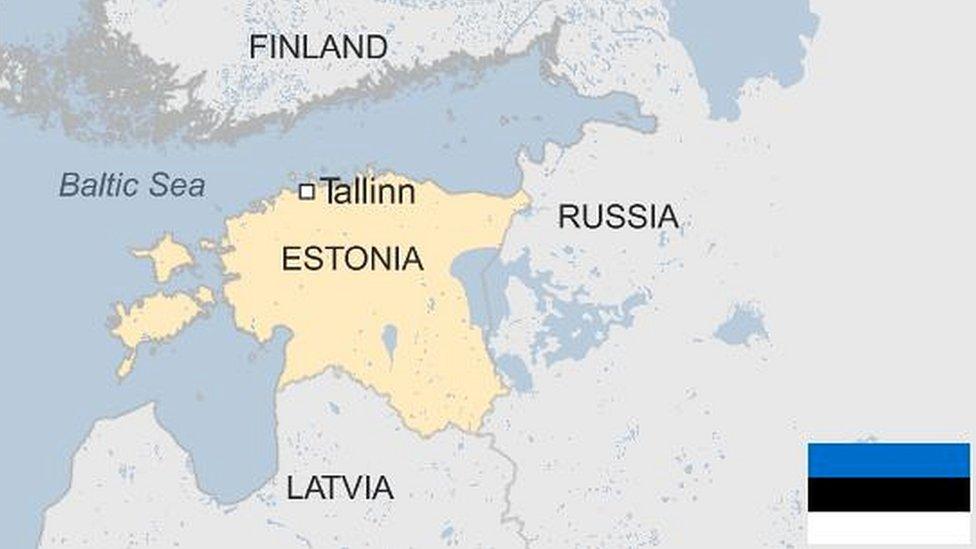
In a notable move that intertwines ecological conservation with national security, Estonia is actively pursuing the restoration of its damaged bogs as a means to tackle climate change and geopolitical threats. With increasing tensions in Eastern Europe, particularly due to Russia’s assertive stance under President Vladimir Putin, Estonia recognizes the vital importance of its unique ecosystems in fostering ecological stability and enhancing resilience against external pressures.This initiative aims not only to rejuvenate critical wetlands that have suffered from extensive drainage but also aligns with broader European efforts focused on minimizing environmental vulnerabilities. As Estonia navigates a complex landscape of environmental and geopolitical challenges, this commitment to bog restoration underscores its resolve in safeguarding both nature and national sovereignty.
Estonia’s Bog Restoration Strategy: Building Resilience in a Turbulent Region
Amid rising regional tensions, particularly from the East, Estonia’s government is taking proactive steps towards bolstering its environmental resilience through an innovative bog restoration initiative. Bogs are recognized for their essential roles in carbon sequestration and supporting biodiversity; thus, they are crucial ecosystems that can strengthen the nation’s defenses against climate change impacts as well as geopolitical threats. By revitalizing these important wetlands, Estonia seeks not only to lessen its ecological footprint but also to affirm its commitment to sustainability during uncertain times. The initiative includes plans such as:
- Restoring degraded bog areas to reinstate their natural hydrology and functionality.
- Enhancing biodiversity by fostering plant and animal species native to these habitats.
- Increasing carbon storage capacity, thereby contributing positively towards global climate goals.
This endeavor aligns with broader European environmental policies, positioning Estonia as a leader in climate action among Baltic nations.The government collaborates with various environmental organizations alongside local communities ensuring that restoration efforts are effective and inclusive.Recent research conducted by Estonian scientists has highlighted numerous benefits provided by bogs which include:
| Benefit | Description |
|---|---|
| Flood Control | Naturally absorb excess rainfall acting like sponges. |
| Biodiversity Support | A habitat for numerous plant and animal species. |
| Efficacy in Carbon Sequestration | Captures greenhouse gases aiding in climate change mitigation. |
Ecological Significance & Strategic Importance of Restoring Bogs Amid Geopolitical Challenges
The revitalization of bog ecosystems plays an essential role in promoting biodiversity while safeguarding natural habitats. These unique wetlands serve as significant carbon sinks capable of absorbing ample amounts of CO2-an essential factor in addressing global climate change effects. Additionally, thriving bog environments support diverse flora and fauna including several endangered species whose survival hinges on these habitats’ health.
As Estonia grapples with ongoing security challenges linked closely with external pressures from neighboring countries like Russia, restoring these wetlands offers immediate ecological advantages while reinforcing natural barriers against further environmental degradation.
From a strategic standpoint, enhanced bog systems can significantly bolster national resilience amid geopolitical uncertainties by improving local water quality management practices along with flood control measures-both critical during turbulent times. The interconnected ecosystem fostered through restored bogs may enhance agricultural productivity while simultaneously benefiting local economies thereby contributing towards overall economic stability.
Moreover, investing resources into restoring these vital ecosystems cultivates unity among Estonian citizens providing them tangible means through which they can confront external threats while nurturing national pride rooted in responsible stewardship over their environment.
Expert Advice on Successful Bog Restoration Strategies for Biodiversity Preservation & National Security Enhancement
Experts recommend adopting thorough approaches when undertaking wetland ecosystem restoration; prioritizing invasive species removal-which poses risks toward native wildlife-and reinstating hydrological conditions necessary for sustaining healthy peatlands should be primary objectives within any strategy framework developed moving forward.
To achieve successful outcomes stakeholders should consider implementing strategies such as:
- Community Engagement: Actively involve local populations throughout all phases involved within restoration projects fostering ownership alongside awareness regarding importance surrounding healthy peatland systems .
- Collaborative Research Initiatives: Partner academic institutions focusing upon innovative methodologies related specifically toward improving techniques associated directly tied into successful outcomes concerning both biodiversity impacts resulting from said restorations .
- Supportive Policy Frameworks : Create legislation encouraging sustainable land-use practices whilst simultaneously promoting conservation initiatives targeting specific areas needing attention .
Additionally , continuous monitoring coupled adaptive management remains crucial ensuring all undertaken actions remain informed based latest available data allowing adjustments maximizing effectiveness achieved over time .Investing educational outreach programs highlighting significance surrounding importance associated directly tied back towards preserving intact functioning peatlands increases public support ultimately emphasizing roles played therein regarding capturing atmospheric carbon emissions helping mitigate adverse effects stemming forth due changing climates experienced worldwide today.
A collaborative approach uniting governmental agencies , non-profit organizations , private sector entities will prove indispensable when striving restore fragile yet vital wetland ecosystems whilst concurrently safeguarding overarching interests pertaining toward maintaining strong sense security felt amongst citizens residing within borders established long ago .Strategy Description
< / tr >< /thead >
< b >Management Of Invasive Species : < Remove non-native organisms disrupting balance found naturally occurring across entire ecosystem.< / td > < / tr >
< b >Hydrological Rehabilitation : < Reestablish original water levels supporting indigenous flora fauna.< / td > < / tr />
< b />Public Awareness Campaigning : / tbody />
/ table />
/h3 />
Concluding ThoughtsEstonia’s dedication towards rehabilitating degraded peatlands signifies a multifaceted approach intertwining conservation efforts alongside strengthening national security frameworks amidst ongoing geopolitical uncertainties faced regionally particularly stemming forth neighboring aggressions posed primarily emanating outwards Russia itself .Through prioritizing healthiness exhibited across respective wetland environments not only does it safeguard existing biological diversity present locally but reinforces overall capacity withstand unpredictable circumstances arising globally today impacting societies everywhere around globe alike ! As discussions progress evolving strategies unfold international observers keenly await witnessing whether this pioneering blend encompassing ecological stewardship combined strategic defense could potentially set precedent inspiring other nations grappling similar dilemmas encountered previously elsewhere too!
Unlocking Tomorrow: H.E. Ambassador Duarte Lopes Shares Visionary Insights on Europe, North Africa, and the Mediterranean
During a recent event hosted by the Stimson Center, participants delved into a captivating discussion about the evolving relationships between...
Read moreDetails









