
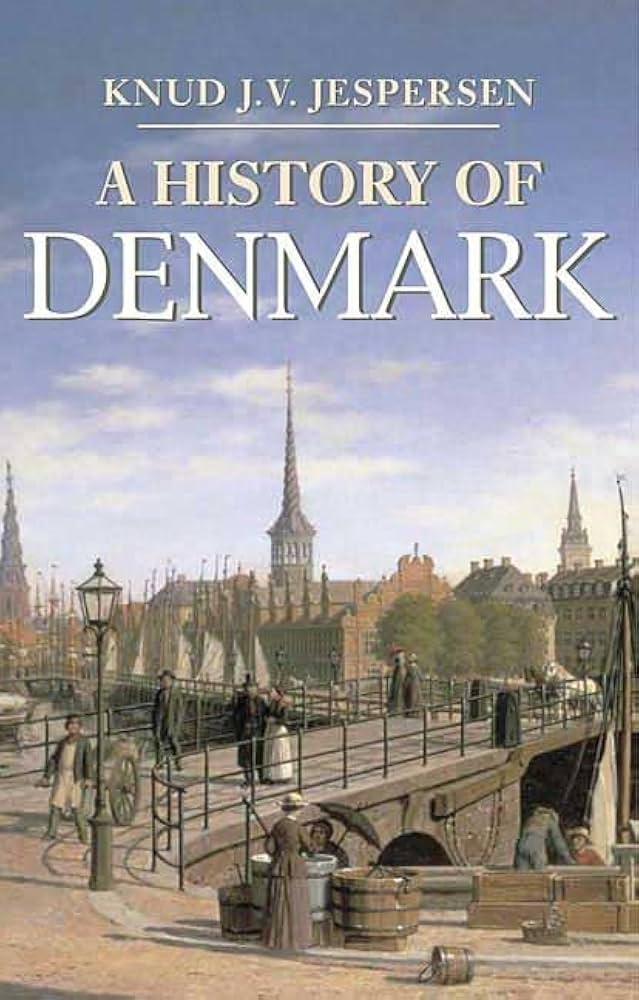
Denmark’s Dynamic Journey: A Historical Overview Since the 1990s
Since the onset of the 1990s, Denmark has undergone a remarkable transformation, navigating a path shaped by global challenges and local innovations. From the shifting tides of European integration to pressing social issues and economic resilience, the nation has evolved on multiple fronts. This era has witnessed Denmark assert its presence on the global stage, marked by a progressive stance on environmental policies, an increasingly robust welfare state, and a commitment to social equality. Amidst these developments, the Danish people have also grappled with the complexities of immigration, multiculturalism, and national identity, all of which have contributed to the fabric of contemporary Danish society. This article delves into the key milestones and defining moments of Denmark’s history since the 1990s, exploring how this Scandinavian nation has shaped its unique identity while responding to an ever-changing world.
Denmark’s Economic Transformation and Social Welfare Innovations in the 1990s
In the 1990s, Denmark underwent a remarkable economic transformation characterized by a shift from traditional industries to a modern knowledge-based economy. This change was catalyzed by several factors including globalization, technological advancement, and a robust labor market reform. Denmark’s government implemented policies aimed at enhancing productivity while ensuring economic stability. The introduction of the so-called “Flexicurity” model combined labor market flexibility with social security, allowing workers to transition between jobs more easily and promoting lifelong learning. This innovation was central to maintaining high employment levels, even during economic downturns.
Social welfare in Denmark also saw significant innovations during this decade, reflecting a commitment to maintaining a strong safety net for its citizens. Reforms included the modernization of the public health care system and enhancements to educational services. The government focused on the following key areas:
- Universal Health Coverage: Ensured all citizens have access to free health services.
- Early Childhood Education: Expanded funding for child care, promoting parental participation in the workforce.
- Active Labor Market Policies: Increased investment in training and support for job seekers.
This dual approach not only facilitated economic growth but also reinforced the Danish welfare state ethos, ensuring that social equity and economic dynamism flourished hand in hand.
Cultural Renaissance and Global Engagement: Denmark’s Role on the World Stage
Denmark has emerged as a significant player on the global stage since the 1990s, characterized by a robust cultural renaissance that reflects both its historical legacy and modern sensibilities. The nation has fostered an environment ripe for artistic innovation and cross-cultural collaboration, showcasing its commitment to cultural diplomacy through various international platforms. Notably, Denmark’s emphasis on sustainability and social welfare has made it an attractive model for global dialogue on these pressing issues.
Key attributes of Denmark’s global engagement include:
- Innovation in Design and Architecture: Danish design, particularly in furniture and architecture, has gained international acclaim, influencing global trends.
- Cultural Festivals: Events such as the Roskilde Festival and Copenhagen Jazz Festival draw international audiences and promote cultural exchange.
- Film and Media: The success of Danish cinema, epitomized by works like “The Hunt” and “Borgen,” has solidified the country’s reputation as a hub for storytelling.
| Event | Year Established | Significance |
|---|---|---|
| Roskilde Festival | 1971 | One of Europe’s largest music festivals, promoting both established and emerging artists. |
| Copenhagen Jazz Festival | 1979 | Showcases local and international jazz talents, fostering cultural diversity. |
| Copenhagen Distortion | 1998 | A vibrant street festival celebrating urban life and creativity. |
Navigating Modern Challenges: Climate Change and Immigration in Contemporary Denmark
Denmark has found itself at a crucial intersection of climate action and immigration policy in recent decades, grappling with the profound implications of both challenges. With its commitment to being a leader in sustainability, the Danish government has set ambitious goals, aiming to become carbon-neutral by 2050. This commitment is not only about reducing emissions; it also intertwines with local and global socio-economic structures, particularly as climate change increasingly displaces populations worldwide. The Danish approach has involved a transition to renewable energy sources, significant investment in green technology, and adherence to international climate agreements while maintaining a robust economy.
Simultaneously, the influx of immigrants seeking refuge from climate-related disasters has shaped the national dialogue and policy framework. Addressing immigration requires a careful balance, as the government aims to enhance social cohesion while promoting economic growth in the face of demographical changes. Key policies have emerged focusing on integration, education, and labor participation, recognizing that new arrivals can contribute positively to the Danish society and economy. The interplay between these factors has led to a dynamic conversation on what it means to be Danish in a world increasingly defined by climate and humanitarian challenges.
| Climate Action Goals | Immigration Policy Measures |
| Carbon neutrality by 2050 | Stricter asylum processes |
| Expansion of wind energy | Integration programs for newcomers |
| Sustainable urban planning | Work permits for skilled migrants |
Insights and Conclusions
In conclusion, the history of Denmark since the 1990s reveals a nation that has adeptly navigated the complexities of globalization, integration within the European Union, and significant social reforms. As Denmark continues to build its identity on a foundation of democracy, social welfare, and a commitment to sustainability, the lessons of the past remain central to its future direction. The challenges of a rapidly changing world-ranging from economic fluctuations to environmental concerns-are met with resilience and innovation. This dynamic evolution underscores Denmark’s role as a progressive leader on the global stage, exemplifying how a small nation can maintain its cultural heritage while embracing the future with open arms. As we look ahead, Denmark’s journey over the past few decades serves as a testament to the enduring spirit and adaptability of its people.










