
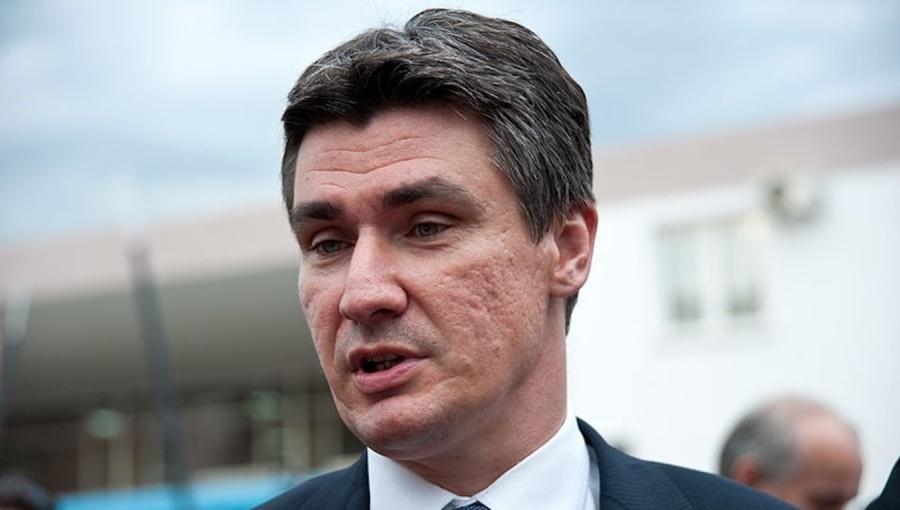
President Milanović Calls for Croatia to Recognise Palestine Amid Ongoing Regional Tensions
In a notable shift in foreign policy, Croatian President Zoran Milanović has urged the government to formally recognize the state of Palestine, marking a significant moment in Croatia’s diplomatic relations within the Middle East. Milanović’s call comes at a time of heightened tensions in the region and reflects a growing discourse on the international stage regarding Palestinian sovereignty. Speaking at a recent event commemorating Croatia Week, the President emphasized the importance of solidarity with Palestine, highlighting the need for Croatia to take a proactive stance in fostering dialog and promoting peace. As debates surrounding recognition policies intensify across Europe, Milanović’s remarks are poised to spark discussions within the government and among citizens about Croatia’s role in global politics and its commitment to advocating for human rights and self-determination.
President Milanović Advocates for Palestine Recognition in Croatia’s Foreign Policy Shift
In a bold move signaling a potential shift in Croatia’s foreign policy, President Zoran Milanović has advocated for the official recognition of Palestine as a sovereign state. During a recent address, Milanović articulated his belief that such a step would align Croatia with international efforts to promote peace and justice in the region. Milanović emphasized the importance of understanding the historical context of the Israeli-Palestinian conflict, stating that recognition could contribute positively to broader dialogues surrounding human rights and self-determination. The President’s remarks underscore a growing sentiment in many parts of the world, where calls for Palestinian recognition continue to gain momentum.
This initiative has stirred debates within Croatian political circles as it challenges the traditionally pro-Israel stance that some factions advocate. Key points raised by Milanović include:
- Supports Peaceful Resolution: Acknowledging Palestine could foster a more balanced approach in discussions aimed at resolving the long-standing conflict.
- Solidarity with Palestinian Rights: Promoting awareness of Palestinian rights aligns with Croatia’s commitment to global human rights initiatives.
- Historical Context and Current Implications: Understanding the dynamics at play is essential,as Croatia’s history echoes themes of sovereignty and national identity.
| Support for Recognition | Potential Outcomes |
|---|---|
| Fostering dialogue | Encouragement of negotiations between Israel and Palestine |
| Alignment with global movements | Solidarity with other nations recognizing Palestine |
| Enhancing Croatia’s international role | Strengthened diplomatic relations in the Middle East |
Examining the Implications of Recognizing Palestine for Croatia’s International Relations
President Zoran Milanović’s recent call for Croatia to officially recognize Palestine has stirred significant discussion regarding its potential effects on the country’s diplomatic relationships. Should Croatia proceed with this recognition, it could redefine its role within European politics, particularly in the context of its relations with both Palestine and Israel. Prospective benefits and concerns that might arise include:
- Strengthened Ties with Arab Nations: Acknowledging Palestine could enhance Croatia’s relations with numerous Arab countries, encouraging greater cooperation on various fronts, including trade and tourism.
- Potential Strain with Israel: Conversely, this move might lead to a diplomatic rift with Israel, complicating Croatia’s stance in various international forums.
- Alignment with EU Policies: Croatia would need to consider how this decision aligns with the European Union’s collective stance on the Israeli-Palestinian conflict.
Moreover, the recognition of Palestine could signal a moral and political stance from the Croatian government towards global justice and self-determination narratives. This move might resonate particularly well with younger demographics who prioritize humanitarian issues. To better understand the broader implications, a comparison of Croatia’s current international standing before and after such a decision can be illustrated:
| Aspect | Current Status | Post-Recognition Scenario |
|---|---|---|
| Diplomatic Relations | Balanced relations with Israel and Arab states | Perhaps improved relations with Arab nations; strained with Israel |
| Public Sentiment | Mixed public opinion on international conflicts | Possible increase in youth support for humanitarian initiatives |
| EU Position | Follows EU guidelines on conflict | May require adjustment to align with humanitarian stances |
Calls for Public Support and Political Consensus on Palestine Recognition in Croatia
In a significant move that has sparked discussions across political arenas, Croatian President Zoran Milanović has publicly urged for the recognition of Palestine by Croatia. This call for recognition coincides with his broader vision of reaffirming Croatia’s commitment to international human rights and diplomacy. Milanović emphasized the need for Croatia to take a stand on this pressing global issue, asserting that “recognition is not merely a diplomatic formality, but a crucial step towards stability and peace in the region.”
The President’s statement has garnered attention from various political factions, with many leaders weighing in on the implications of such recognition. While some factions advocate for immediate official acknowledgment, others express caution, emphasizing the importance of seeking a broader consensus before any steps are taken. In calling for collaborative efforts, the President highlighted several key points that must be addressed to build a unified front on this matter:
- International Relations: Understanding the potential implications on Croatia’s relationships within the European Union and the Middle East.
- Public Sentiment: Engaging citizens in discussions to gauge collective sentiment regarding recognition.
- Humanitarian Perspective: Recognizing Palestine as a step towards addressing humanitarian concerns in the region.
Closing Remarks
President Zoran Milanović’s call for Croatia to officially recognize the State of Palestine marks a significant moment in the country’s foreign policy and its approach to international relations. By advocating for this recognition, Milanović aligns Croatia with a growing number of nations that support Palestinian aspirations for statehood amidst ongoing regional conflicts. The President’s stance may not only influence bilateral ties but could also spark discussions within the European Union about a unified approach towards the Israeli-Palestinian conflict. As Croatia navigates its position in the global arena,this proposed recognition underscores the importance of dialogue and diplomacy in resolving longstanding international issues.As developments unfold, all eyes will be on how this move is received both domestically and abroad, and its potential implications for Croatia’s role in the broader geopolitical landscape.










