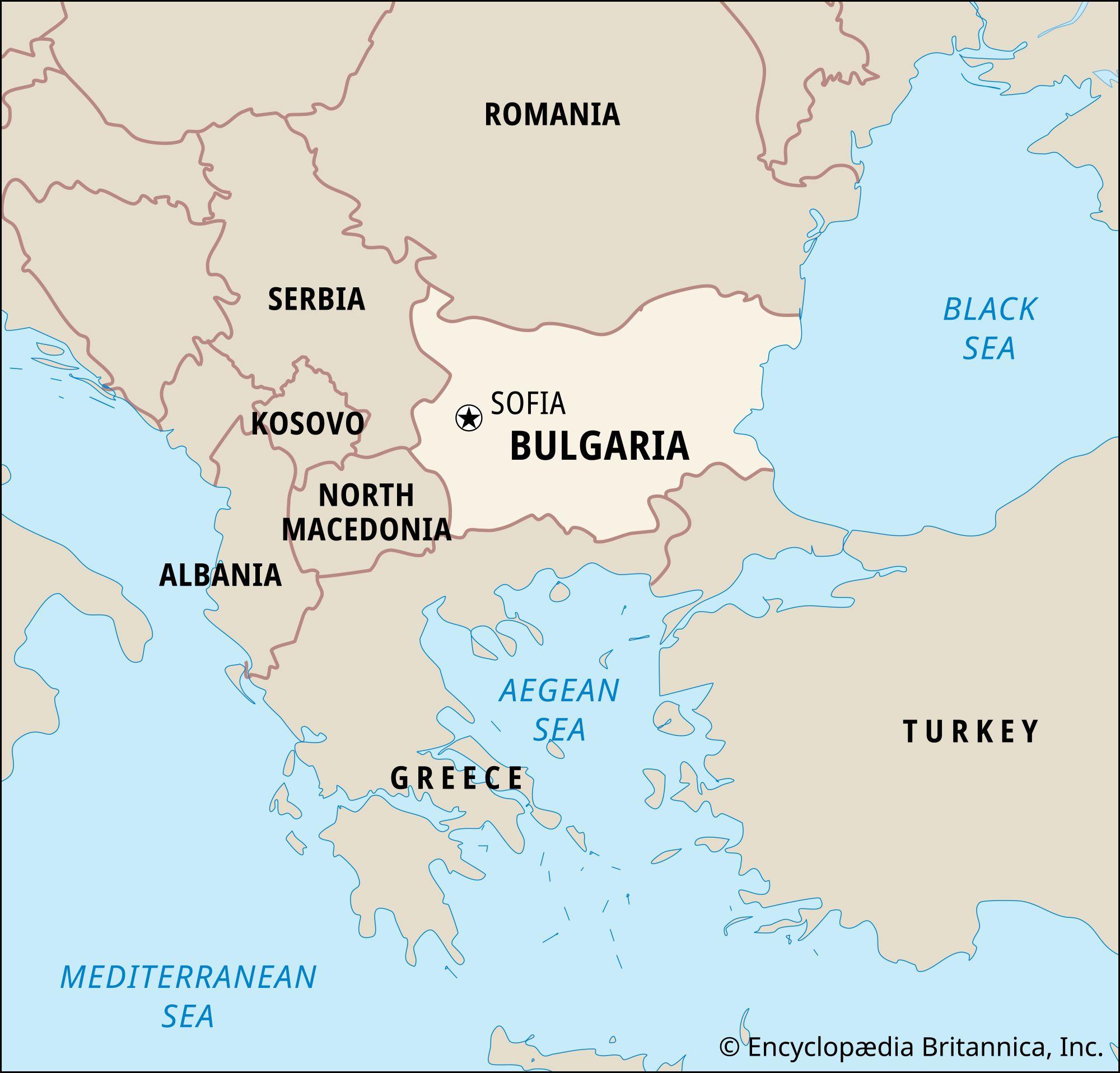
Unification Day: How Bulgaria Doubled Its Size While Europe Slept
On September 6,Bulgaria commemorates Unification Day,a pivotal event in the nation’s history that symbolized the merging of the Principality of Bulgaria and the Eastern Rumelia in 1885,effectively doubling the country’s territory. This remarkable feat, achieved largely without the awareness of the European powers at the time, not only reshaped the geographical landscape of the Balkans but also laid the groundwork for Bulgaria’s national identity and aspirations for independence.As the nation reflects on this notable anniversary, we delve into the historical context, key figures, and the geopolitical implications that accompanied this bold move, revealing how Bulgaria’s aspirations were realized against a backdrop of European indifference. Join us as we explore the legacy of Unification Day and its enduring impact on Bulgaria’s national narrative.
Unification Day Significance: Revisiting Bulgaria’s Expansion Amidst European Apathy
The significance of this pivotal historical moment lies not only in the territorial gains that Bulgaria achieved but also in the broader European context of indifference towards Balkan affairs. On this day, celebrated annually, Bulgaria commemorates the unification of the Eastern Rumelia and the Principality of Bulgaria, which took place in 1885. This unification not only doubled Bulgaria’s land mass but also signaled the country’s aspirations for identity and sovereignty during a time when the great powers were preoccupied with their own issues. The reaction from Europe was largely muted,reflecting a profound apathy towards the unfolding events in the Balkans,which would set the stage for future tensions in the region.
The expansion of Bulgaria serves as a stark reminder of the intricate politics in the Balkans, where territories shifted and national identities were forged amidst great upheavals. In the context of a fragmented Europe, the lack of intervention or support for Bulgaria’s unification highlights a pattern of neglect that echoed through the years. The outcomes were significant,as they not only altered borders but also influenced regional interactions. Key characteristics of this historical moment include:
- Territorial Expansion: The unification increased Bulgaria’s area significantly.
- Rise of Nationalism: It fueled a surge in national consciousness and pride.
- Geopolitical Changes: The shift in power dynamics in the Balkans was undeniable.
- European Inaction: Apathy from the great powers underscored their preoccupations elsewhere.
The Historical Context of Bulgaria’s Growth: Lessons from 1885 for Today’s Europe
Bulgaria’s unification in 1885 is a interesting case study that highlights the interplay of nationalism, strategic geopolitical considerations, and the delicate balance of power in Europe at the time. The decision to unify the eastern and western regions of the Principality of Bulgaria, which had previously been separated following the Russo-Turkish War, was a bold move influenced not only by a desire for national integrity but also by the socio-political dynamics of the Balkans. At a time when most of Europe was preoccupied with its own internal struggles, Bulgaria seized this unique opportunity to double its territorial expanse, aided by a surge in national consciousness fueled by historical grievances against Ottoman rule. This period is a prime example of how neglected regions can capitalize on the distractions of larger powers, a relevant lesson for modern nations seeking to assert their place on the European stage.
Four distinctive factors contributed to Bulgaria’s successful unification, which continue to resonate in today’s context:
- National Identity: The rise of a unified Bulgarian identity played a crucial role in mobilizing public support for unification.
- Strategic Alliances: Diplomatic relationships, notably with neighboring Serbia and Russia, were pivotal in legitimizing the unification process.
- Military Preparedness: A well-organized army enabled Bulgaria to respond decisively against external threats during this critical period.
- Timing and Opportunity: The broader European focus on other conflicts allowed Bulgaria to implement its plans relatively unchallenged.
| Factor | Description |
|---|---|
| National Identity | Unified sentiment strengthened by a shared heritage. |
| Strategic Alliances | Leverage of relationships with powerful neighbors. |
| Military Preparedness | Readiness to defend national interests effectively. |
| Timing and Opportunity | Exploiting rivals’ distractions for territorial gain. |
Recommendations for Contemporary Unity: How Bulgaria’s Past Can Inspire Future Collaborations
The rich tapestry of Bulgaria’s history offers a wealth of lessons for contemporary unity that can inspire future collaborations across Europe. By examining the remarkable period of unification, which significantly expanded Bulgaria’s territory while the rest of Europe was in a state of adjustment, we can glean insights into the power of solidarity and shared goals. It serves as a reminder that unity can come from a variety of sources,and when collective interests align,remarkable outcomes can be achieved.For nations looking to navigate modern challenges, historical precedents can offer strategic frameworks for cooperation.
To foster collaborative relationships inspired by Bulgaria’s past, several strategies can be considered:
- Emphasizing Shared Heritage: Nations can promote shared cultural and historical events that resonate across borders, allowing for a deeper understanding and appreciation of one another’s journeys.
- Creating Collaborative Initiatives: Working together on economic,environmental,and educational projects can build networks of trust and mutual benefit.
- Encouraging Youth Involvement: Engaging younger generations in dialogue and exchange programs can ensure the continuity of collaborative efforts and a fresh perspective on past lessons.
Key Takeaways
As the sun sets on the historical significance of Unification Day, Bulgaria stands as a testament to resilience and unity in the face of adversity. This pivotal moment in 1885, when Bulgaria doubled its territory and solidified its identity, serves not only as a reminder of the nation’s struggle for sovereignty but also as a lesson in the dynamics of regional politics during a time of broader European disengagement. The celebrations surrounding this day are not merely a nod to the past; they are a call to remember the strength found in solidarity and collective aspiration.
As Bulgaria continues to navigate the complexities of modern geopolitical landscapes, the legacy of Unification Day remains a beacon of hope and national pride. It is a history that instills a sense of belonging and purpose, encouraging future generations to learn from their past while aspiring to forge a brighter future. The echoes of unity resonate louder than ever, reminding us that history is not merely written in textbooks but in the hearts of those who dare to dream of a united tomorrow. As Europe reflects on its own narratives of cooperation and division, Bulgaria’s journey of unification stands as a powerful reminder of the possibilities that arise when a nation comes together for a common cause.