
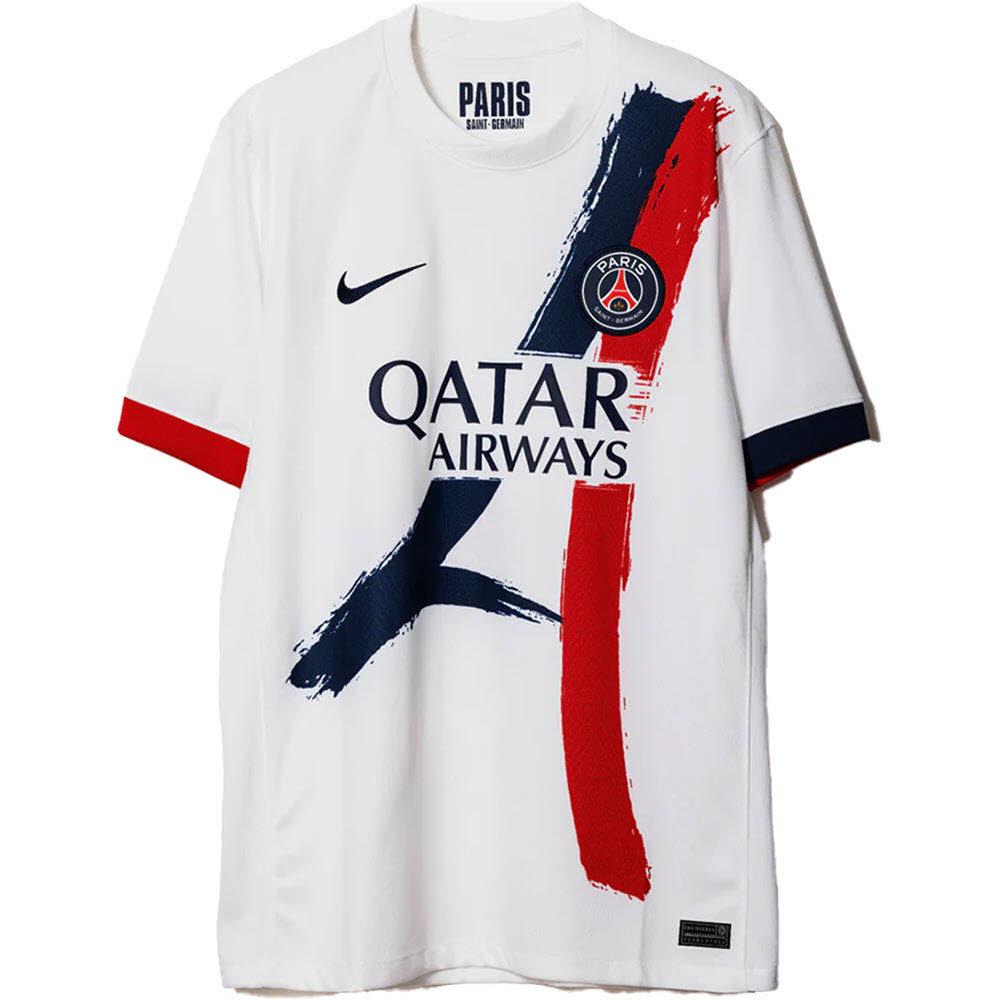
In a striking upset on the international football stage, Botafogo secured a 1-0 victory against French giants Paris Saint-Germain (PSG), igniting discussions about the implications of European clubs’ recent struggles in global competitions. As teams from South America continue to make their mark, this result raises questions about the evolving landscape of the Club World Cup and its importance in showcasing the strengths of football outside Europe. This article delves into the dynamics of this match and the broader context of European football’s challenges,probing whether the current struggles of elite clubs like PSG may ultimately benefit the prestige and competitiveness of the Club World Cup. As fans and analysts ponder the future of this tournament, the spotlight shifts towards a potential shift in power dynamics within the footballing world.
Examining Europe’s Decline and Its Implications for Global Football Competitions
As European clubs grapple with inconsistencies and shifting dynamics, the implications for global football competitions are profound. The recent defeat of Paris Saint-Germain to Botafogo highlights a larger narrative: as traditionally dominant teams falter, the landscape of football is reshaping itself. Emerging clubs from regions such as South America and Asia are seizing opportunities to compete on the world stage, showcasing their talent and challenging the established order. This shift signifies a potential end to the long-standing monopoly of European clubs in the Club World Cup hierarchy, bringing forth a new level of competitiveness that could elevate the tournament’s prestige.
In light of these developments, several factors are driving this evolution in global football. Key considerations include:
- Investment in sports infrastructure: Non-European clubs are increasingly investing in training facilities and youth academies to develop homegrown talent.
- Increased viewership and sponsorship: The globalization of the sport has opened new markets, leading to lucrative deals that can bolster clubs financially.
- Resilience in tactical diversity: Teams outside Europe are adopting innovative strategies and playing styles, making them unpredictable opponents.
This convergence of talent and resources could perhaps redefine the competitive balance in upcoming editions of the Club World Cup, making it a more unpredictable and thrilling tournament for fans worldwide.
Strategic Lessons from PSG’s Defeat for Enhancing Club World Cup Format
PSG’s surprising defeat to Botafogo sheds light on the changing dynamics of international club football, notably highlighting the need for a reevaluation of the Club World Cup format. To truly enhance the competitiveness and excitement of this tournament, several strategic changes should be considered:
- Increased Representation: Expand participant criteria to balance representation from different continents, ensuring underrepresented leagues have a stronger voice.
- Match Logistics: Schedule matches in neutral venues with ideal conditions to simulate high-stakes environments, echeloning teams to perform optimally.
- Strategic Scheduling: Position the tournament at times in the football calendar that minimize overlap with domestic leagues to foster better squad involvement.
- Financial Incentives: Offer substantial prize money to encourage top teams from various leagues to prioritize the tournament, enhancing overall competitiveness.
Additionally, the integration of advanced analytics and technology can revolutionize the tournament’s structure. By utilizing data-driven insights to assess team performance in real-time, organizing committees can not only elevate the spectator experience but also ensure a calibration of the tournament’s competitive balance.Implementing features like:
| Feature | Description |
|---|---|
| VAR Enhancements | Expand usage of VAR to provide clarity on pivotal decisions during the matches, promoting fairness. |
| Fan Engagement | Interactive platforms for fans to analyze matches, fostering global interest and dialogue. |
| Real-Time Data | Instant analytics for coaches, enhancing tactical adjustments during games. |
Botafogo’s Triumph: A Case Study in Underdog Success and Its Impact on Future Matches
Botafogo’s recent victory over Paris Saint-Germain serves as a testament to the allure and dynamism of underdog narratives in football. As the team rallied against a backdrop of skepticism, their triumph has sparked conversations not only about their own capabilities but also about the shifting dynamics within European football. Observers noted that despite the star-studded roster of PSG, Botafogo’s blend of tactical discipline and unwavering determination manifested in a performance that outshone expectations.The underdog mentality not only galvanized the team but also resonated with supporters, breathing new life into their aspirations for future competitions.
This victory could have profound implications for the Club World Cup, potentially reshaping perceptions around the tournament. With European powerhouses like PSG struggling to deliver against seemingly lesser opponents,several key factors emerge that could redefine the landscape of the competition:
- Increased Motivation: Underdog teams,emboldened by surprising victories,may approach future matches with renewed confidence.
- Strategic Adaptability: Clubs might reconsider their playing styles, recognizing that over-reliance on star talent risks vulnerability.
- Fan Engagement: Success for underdogs can ignite supporter enthusiasm, enhancing the overall spectacle of the tournament.
| Factor | Impact on Future Matches |
|---|---|
| Team Morale | Boost in confidence and teamwork. |
| Game Strategy | Potential shifts to more conservative play by favorites. |
| Fan Support | Increased attendance and viewership for underdog matches. |
Insights and Conclusions
As the dust settles on Botafogo’s surprising victory over Paris Saint-Germain, questions linger regarding the implications of Europe’s struggles on the Club World Cup. While the traditional powerhouses of European football, like PSG, grapple with unexpected challenges, clubs from other continents are seizing the possibility to showcase their talent on a global stage. This match serves as a reminder that football is ever-evolving, with narratives shifting beyond the confines of established dominance.
The implications for the Club World Cup are profound. As teams like Botafogo demonstrate their capabilities against elite European squads, the tournament may evolve into a more competitive arena, potentially reshaping the perception of football hierarchies worldwide. While European clubs still boast unparalleled resources, this defeat raises pressing questions about their preparedness and adaptability in international competition.
As we move forward, it will be interesting to observe how these dynamics unfold and whether this trend signifies a more equitable future for club football. One thing remains clear: the world of football is more interconnected than ever, and each match offers a new chapter in an ongoing story that transcends borders and expectations. The next chapter awaits, and it’s guaranteed to be as compelling as ever.










