
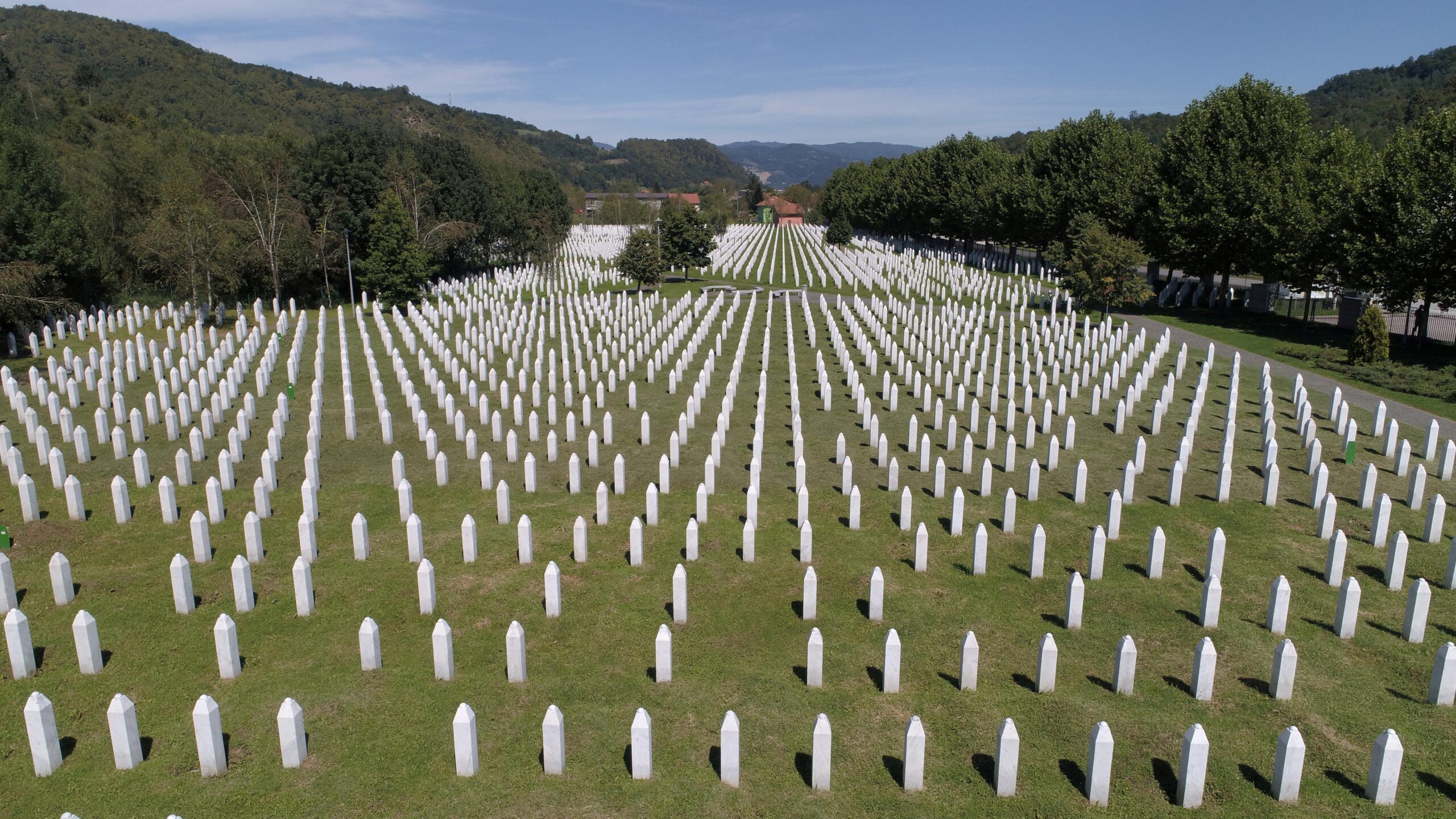
Thirty Years On: The Overlooked Lessons of the Srebrenica Genocide
In July 1995, the town of Srebrenica in Bosnia and Herzegovina witnessed one of history’s most harrowing atrocities-a genocide that claimed the lives of over 8,000 Bosniak men and boys during a brutal campaign of ethnic cleansing amid the Bosnian War. As we approach three decades since these tragic events, it is crucial to reflect on the lessons that remain largely ignored. Despite solemn commitments to prevent such horrors from recurring, Srebrenica serves as a painful reminder of failures within the international community and underscores an ongoing cycle of hatred and violence. By examining its geopolitical, social, and psychological ramifications, we can gain insight into how these complexities continue to impact not only Bosnia but also the global community. This article seeks to analyze these enduring lessons while stressing that without accountability and ongoing education, the shadow cast by Srebrenica may persist far longer than desired.
Lessons from a Tragedy: The Neglected Warnings from Srebrenica
The haunting legacy associated with Srebrenica starkly illustrates failures in international oversight and responsibility. Despite clear warnings issued by humanitarian organizations and peacekeeping forces regarding imminent violence, these alerts were tragically overlooked. This negligence directly contributed to the systematic slaughter of more than 8,000 Bosniak men and boys in July 1995. Today’s global community must confront an uncomfortable truth: similar patterns of inaction are still evident across various international conflicts, where cries for help are drowned out by apathy.
A comprehensive understanding of what transpired at Srebrenica necessitates a critical evaluation of how diplomatic failures, combined with inadequate political willpower, can lead to catastrophic humanitarian outcomes. Given today’s alarming surge in ethnic violence globally, there is an urgent need for effective intervention strategies.Key insights derived from this tragedy include:
| Critical Insights | Modern Implications |
| Crisis intervention based on credible intelligence. | This could prevent genocidal actions while protecting vulnerable populations. |
| Strengthening international legal frameworks. | This would establish clearer accountability mechanisms for states failing their citizens. |
| Pursuing awareness about genocide prevention. | This fosters a culture prioritizing vigilance around human rights issues. |
This reflection compels us toward action rather than indifference; it calls upon governments and policymakers alike to dismantle cycles of inertia , ensuring that echoes from Srebrenica do not fade into obscurity without inspiring renewed commitments towardhuman rights protection, especially when lives hang in balance.
The Aftermath: How Srebrenica’s Genocide Shaped Global Peace Efforts
The genocide at Srebrenica has left profound scars not only on survivors but has also considerably influenced global conflict resolution strategies as well as peacekeeping operations. The unlearned lessons stemming from this tragedy continue to haunt diplomatic relations worldwide-revealing concerning trends regarding responses to ethnic tensions. The initial failure by both NATO forces and United Nations personnel during this massacre has ignited extensive discussions surrounding existing peacekeeping frameworks’ effectiveness.Some key implications arising from this event concerning contemporary peace initiatives include:
- A Shift Toward Preventive Measures:The aftermath prompted demands for improved early warning systems designed to identify potential mass atrocities before they escalate into full-blown crises.
- Evolving Engagement Protocols:The incident necessitated revisions regarding how peacekeepers operate within antagonistic environments advocating stronger engagement protocols aimed at protecting civilians.
- Tighter International Legal Standards:SREBRENICA catalyzed stricter approaches towards holding individuals accountable for war crimes emphasizing global jurisdiction necessity.
Moreover,the enduring legacy left behind bySREBRENICA has played an instrumental role shaping public perceptions around international interventions.Despite increased focus placed upon humanitarian principles,the persistent reluctance exhibited among world powers reflects lingering hesitance when faced with decisive action following subsequent conflicts.Table 1 below illustrates recent instances where echoes originatingfromSREBRENICA have shapedinternational responses:
| Conflict | International Response | Lessons Implemented | |
|---|---|---|---|
| Stronger mandates focusedon civilian protection | < / tr > | ||
| Challenges posedby non-intervention due sovereignty issues | |||
| < th /> | |
|---|---|










