
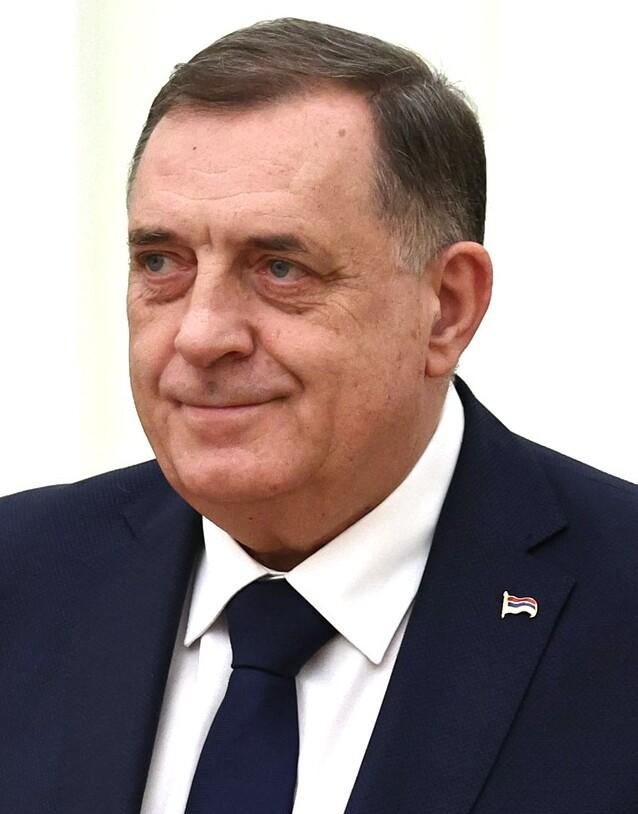
In a notable escalation of tensions in the Balkans, the controversial leader of Bosnia’s Serb-majority entity, Milorad Dodik, has ignited a major political crisis with his recent push for a series of contentious laws. These legislative moves, seen by many as a direct challenge to the country’s delicate post-war power-sharing arrangement, have intensified long-standing ethnic and political divisions within Bosnia and Herzegovina. As Dodik seeks to solidify his authority and promote greater autonomy for Republika Srpska, critics fear that these actions could undermine decades of progress towards stability and reconciliation in a region still haunted by the scars of conflict. As the situation unfolds, the repercussions of Dodik’s decisions resonate far beyond the borders of Republika Srpska, potentially reshaping the political landscape of the entire nation.
Milorad Dodik’s Legislative Moves Intensify Political Tensions in Bosnia
The recent legislative actions spearheaded by Milorad Dodik, the leader of the Bosnian Serb entity, have sent shockwaves through the political landscape of Bosnia and Herzegovina. In a series of bold moves, Dodik has introduced new laws that many analysts argue threaten the delicate balance of power within the country.The controversial measures include efforts to assert greater independence for the Republika Srpska and challenge the authority of the central government.Critics fear these actions could lead to escalating tensions, reminiscent of the turmoil experienced during the 1990s Balkans conflict.
Key aspects of Dodik’s recent proposals include:
- Modification of the judiciary: Changes aimed at increasing local control over judicial appointments have raised alarms among legal experts.
- Resource management: New regulations purport to allow Republika Srpska exclusive rights over local natural resources.
- Defense initiatives: A push for the establishment of a separate Republika Srpska military force is among the most contentious of the proposals.
This legislative wave has prompted widespread reactions, not only from political factions within Bosnia but also from the international community. Diplomatic relations are reportedly strained as Western leaders call for a measured response, while local opposition parties mobilize to challenge Dodik’s vision of a more autonomous Republika Srpska.
Impact of Dodik’s Laws on Regional Stability and Ethnic Relations
The recent legislative moves by Milorad Dodik, including the implementation of laws that assert greater autonomy for the Republika Srpska, have reignited tensions within Bosnia and Herzegovina. These actions threaten to deepen ethnic divisions and undermine the fragile peace established by the Dayton Accords. Opposition parties and various civil society groups have voiced concerns,citing that these laws may lead to an increase in political instability,as they prioritize the interests of one ethnic group over another,primarily affecting Bosniaks and Croats. The potential consequences of this unilateral approach could result in heightened unrest and a resurgence of ethnic nationalism.
As the political landscape shifts under Dodik’s influence, it is essential to assess the broader implications on social cohesion. Key effects of these changes include:
- Increased polarization among ethnic communities.
- Strained relations between the central government and regional authorities.
- Potential challenges to the mechanisms of political representation for minority groups.
- Heightened risks of violent conflict if grievances are not addressed adequately.
To encapsulate the current situation, the table below summarizes the primary concerns related to Dodik’s new laws and their impact on regional stability:
| Concern | Description |
|---|---|
| Ethnic Tensions | Growing divide between Serbs and other ethnic groups. |
| Political Legitimacy | Questioning the authority of the national government. |
| International Relations | Risk of alienating Western allies and EU integration prospects. |
| Civil Unrest | Increased protests and social movements against the laws. |
Expert Analysis Calls for Strategic Dialogue to Address Escalating Crisis
The recent introduction of controversial legislation by Milorad Dodik,the Bosnian Serb leader,has ignited a political firestorm across Bosnia and Herzegovina. Experts warn that these new laws threaten to unravel the fragile stability that has been painstakingly established since the end of the Bosnian War. Political analysts are particularly concerned about the implications for ethnic relations, as tensions between the major communities-Bosniaks, Croats, and Serbs-are already high. The proposed changes aim to centralize power within the Republika Srpska, potentially undermining the delicate balance of governance that was enshrined in the Dayton Agreement.
Considering escalating tensions, many call for a strategic dialogue among key stakeholders. Such dialogue could potentially mitigate the growing discord and establish a foundation for reform that is acceptable to all parties. Experts suggest that dialogue should address the following critical areas:
- Decentralization of Power: Examining power-sharing arrangements to ensure inclusive governance.
- Human Rights Protections: Safeguarding the rights of all ethnic groups within the country.
- Economic Collaboration: Fostering economic projects that benefit all communities, promoting interdependence.
In the quest for stability,it is essential for leaders to engage in open negotiations that could prevent the situation from deteriorating further. Without immediate action and comprehensive strategies to facilitate dialogue, Bosnia and Herzegovina may face a perilous future marked by renewed conflict and division.
In Summary
the controversial laws introduced by Bosnian Serb leader Milorad Dodik are triggering a profound political crisis in Bosnia and Herzegovina, raising concerns over the delicate balance of power within the country. As tensions escalate between different ethnic groups and political factions, the potential for further destabilization looms large. The international community is closely monitoring the situation, underscoring the need for dialogue and cooperation to avert a deeper conflict. With various stakeholders voicing their dissent, it remains to be seen how the Bosnian authorities will navigate these unprecedented challenges. As events unfold, Euronews will continue to provide comprehensive coverage and analysis of this critical situation.










