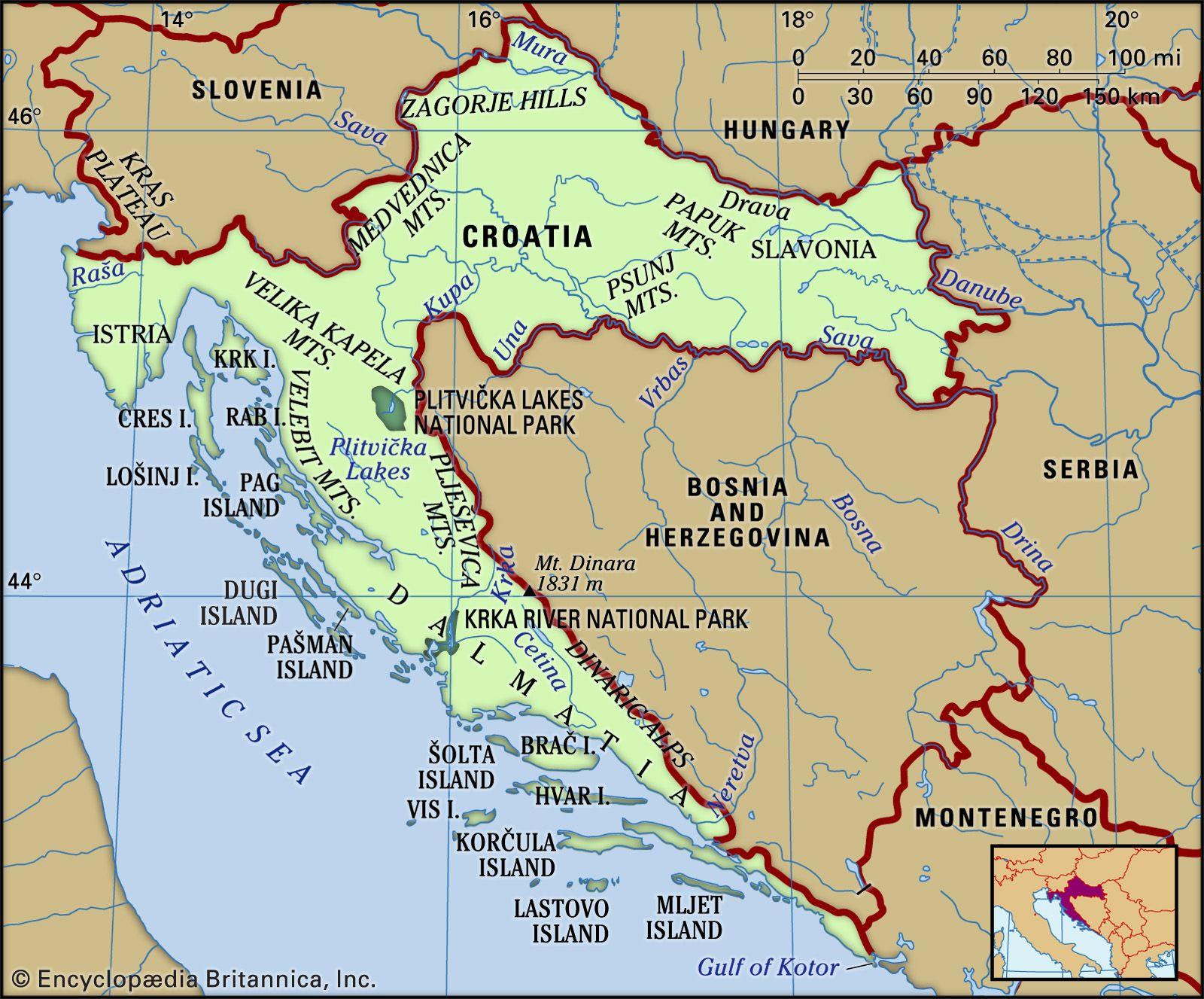
In a significant diplomatic gesture, Croatian Prime Minister Andrej Plenković has intensified efforts to advocate for Bosnia and Herzegovina’s accession to the European Union. As the region grapples with complex political dynamics and economic challenges, Plenković’s commitment reflects not only a desire for greater regional stability but also an acknowledgment of the intricate history shared between the two nations. This push comes at a crucial time when Bosnia is seeking to navigate its path toward EU membership amid ongoing reforms and external pressures. In this article, we delve into the implications of Plenković’s statements, the obstacles Bosnia faces on its journey to EU integration, and the broader impact on the Southeast European geopolitical landscape.
Croatia’s role in Advancing Bosnia’s Path to EU Membership
As Croatia’s Prime Minister Andrej Plenković emphasizes the importance of Bosnia and Herzegovina’s EU journey, Croatia is not merely a neighboring country but an essential ally in this transformative process. The relationship between the two nations is rooted in shared history, and Croatia’s support aims to ensure that Bosnia’s road to EU membership is constructive and inclusive. In recent discussions, Plenković has highlighted Croatia’s commitment to aiding Bosnia, focusing on critical areas such as:
- Political Stability: Encouraging dialog among bosnia’s ethnic groups to foster national unity.
- Economic Progress: Promoting investment opportunities and infrastructure projects that benefit both countries.
- Reform Initiatives: Helping Bosnia align its legislative frameworks and standards with EU requirements.
The collaborative actions taken by Croatia not only enhance bilateral relations but also serve the broader goal of stability in the region. Plenković’s governance has committed to sharing its own EU accession experiences,particularly around the complexities of adapting to EU norms and legislation. Furthermore, a recent meeting in Brussels highlighted the following pivotal steps for Bosnia’s EU candidacy:
| step | Description |
|---|---|
| EU Candidacy Status | Boosting efforts to achieve candidate status through gradual reforms. |
| Judicial reforms | Implementing necessary legal changes to meet EU standards. |
| Anti-Corruption Measures | Strengthening mechanisms to combat corruption within government. |
Challenges and Opportunities in the EU Accession Process for Bosnia
The path toward EU membership for Bosnia presents a myriad of challenges, both political and economic, that could hinder its progress. Corruption remains a significant issue, with governance structures often criticized for lack of transparency and accountability. Additionally, Bosnia’s complex political landscape, marked by ethnic divisions, complicates consensus on reforms necessary for EU compliance. The hurdles also include an underdeveloped judicial system and the need for significant economic restructuring to align with EU standards. To address these concerns,it is essential for Bosnian leadership to undertake tangible reforms to foster stability and public trust.
Tho, the accession process also brings numerous opportunities for Bosnia, wich could lead to transformative changes within the country. Economic incentives from the EU could drive investment and development in critical sectors, fostering job creation and economic growth. Moreover, the adoption of EU standards could improve the living conditions of Bosnian citizens, enhancing public services and infrastructure. Increased regional cooperation, particularly with Croatia’s active support, could pave the way for a more integrated and stable Balkans, maximizing the benefits of EU inclusion. For Bosnia, engaging effectively in this accession process could usher in a new era of prosperity and integration.
Recommendations for Strengthening Cooperation Between Croatia and Bosnia
To enhance the partnership between Croatia and Bosnia, both countries should prioritize joint initiatives focused on economic collaboration. This can include:
- Cross-border trade agreements that facilitate the exchange of goods and services, benefiting local businesses.
- investment in infrastructure projects to improve connectivity and promote tourism.
- Shared energy resources optimization to develop lasting energy solutions that meet both nations’ needs.
Moreover,increasing dialogue on political matters is essential for a successful alliance. Establishing platforms for regular interaction can lead to:
- Joint cultural exchange programs aimed at fostering mutual understanding and respect.
- Working groups focused on specific issues such as security, environmental challenges, and EU integration policies.
- Regional confidence-building initiatives that emphasize peaceful coexistence and collaboration, paving the way for a cohesive strategy on EU accession.
To Conclude
Croatia’s Prime Minister Andrej plenković has reiterated his government’s commitment to supporting Bosnia and Herzegovina on its journey towards european Union membership. By fostering regional cooperation and advocating for necessary reforms, Croatia seeks not only to strengthen bilateral relations but also to enhance stability and prosperity in the Balkans. As bosnia navigates the challenges of integration, its path to EU accession will depend on both domestic political will and continued support from its neighbors. The advancements in this process will be closely monitored by the international community, underscoring the broader implications for peace and collaboration in the region. As discussions continue, the outcome will be critical for the future of Bosnia as well as for the EU’s ambitions in Southeast Europe.