
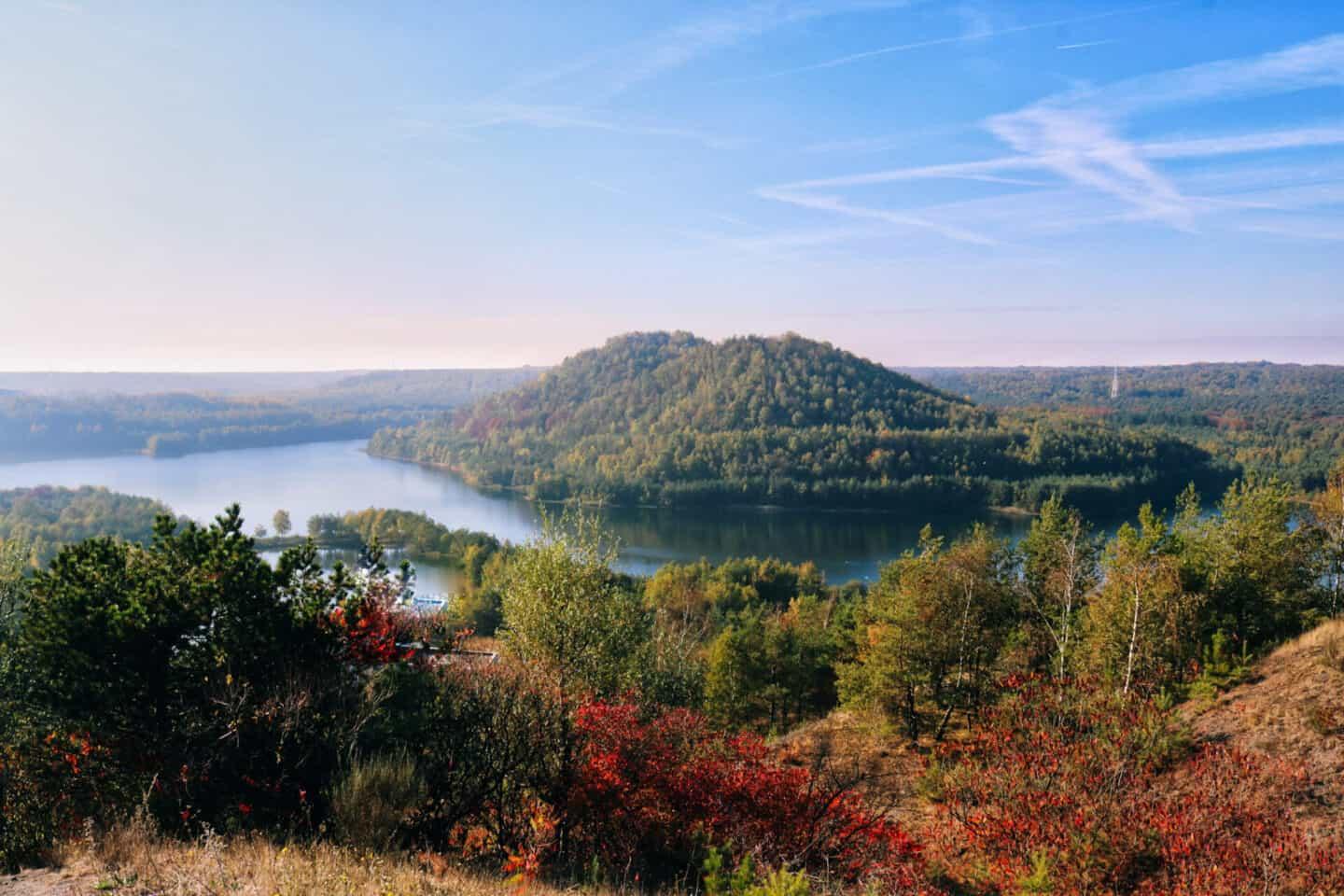
In a striking revelation that underscores the urgent need for environmental action, a recent report from the European Union has highlighted the pressing challenges facing Belgium’s natural landscapes. The comprehensive analysis points to significant pressures arising from transport infrastructure, urbanisation, and agricultural practices that are threatening biodiversity and ecosystem health across the nation. As Belgium grapples with balancing development and conservation, the findings prompt a critical examination of current policies and practices, calling for a concerted effort to safeguard the country’s unique natural heritage. This report serves as a wake-up call, urging stakeholders at all levels to prioritize sustainability in the face of rapid change.
Belgium’s Biodiversity at Risk Amid Rising Urbanization and Transport Demands
Belgium’s natural landscapes face significant threats as urbanization accelerates alongside increasing demands for transport infrastructure. The EU report highlights how sprawling cities and expanding road networks are encroaching on vital habitats, leading to habitat fragmentation and a decline in biodiversity. Key issues include:
- Urban sprawl: Expansion of cities often comes at the cost of green spaces and wetlands.
- Transport infrastructure: New roads and railways disrupt wildlife corridors, further isolating animal populations.
- Agricultural pressures: The need for more farmland to support urban populations exacerbates the decline of natural habitats.
This ongoing situation raises concerns among environmentalists and policymakers alike, who argue that immediate action is necessary to protect Belgium’s unique flora and fauna. The report notes that as species face extinction pressures, conservation strategies must take precedence in urban planning. A balanced approach may involve:
- Green architecture: Incorporating nature into urban designs to minimize ecological impact.
- Restoration projects: Initiatives aimed at rehabilitating damaged ecosystems.
- Strategic land-use planning: Prioritizing the preservation of critical habitats amidst growth.
Impacts of Agriculture on Belgium’s Natural Landscapes Deserve Urgent Attention
The agricultural sector in Belgium is increasingly identified as a critical driver of ecological degradation, raising alarm among environmentalists and policymakers alike. With the intensification of farming practices, regions throughout the country are witnessing significant transformations in their landscapes. Key factors contributing to this shift include:
- Monoculture Farming: The dominance of single-crop farming reduces biodiversity and disrupts local ecosystems.
- Pesticide Use: The reliance on chemical treatments adversely affects wildlife and soil health.
- Land Use Change: Valuable natural habitats are converted into agricultural land, threatening native species.
As agriculture pushes further into semi-natural areas, the repercussions for biodiversity and landscape integrity become increasingly severe. The fragmentation of habitats can isolate species and diminish their chances of survival. Additionally, the implications of nutrient runoff and erosion from intensified farming practices exacerbate water quality issues, leading to larger environmental challenges. To better understand these impacts, the following table outlines the primary threats to Belgium’s natural landscapes attributable to agricultural expansion:
| Threat | Impact |
|---|---|
| Habitat Loss | Decline in plant and animal species |
| Soil Degradation | Lowers agricultural productivity, disrupts ecosystems |
| Water Pollution | Affects freshwater quality, public health risks |
Strategies Needed for Sustainable Development to Protect Belgium’s Environment
In light of the recent EU report highlighting the mounting pressures on Belgium’s natural environments from transport infrastructure, urban sprawl, and agricultural practices, it is critical to implement effective strategies for sustainable development. Integrated land-use planning is essential, ensuring that urbanization does not encroach on vital natural habitats. This can be achieved by establishing green belts and urban growth boundaries that preserve ecological spaces while accommodating necessary infrastructure developments. Furthermore, improved public transportation systems can reduce dependence on personal vehicles, thereby minimizing carbon emissions and preserving air quality.
Another critical strategy involves fostering sustainable agricultural practices. This includes promoting methods such as crop rotation, organic farming, and the use of permaculture design principles, which not only protect the environment but also enhance biodiversity. Establishing financial incentives for farmers who adopt these eco-friendly practices can encourage a shift towards sustainability. Additionally, raising public awareness about the importance of local biodiversity through community engagement and education initiatives can cultivate a culture of environmental stewardship among residents. With these strategies in place, Belgium can pursue a balanced approach that supports economic growth while safeguarding its natural heritage.
The Way Forward
In conclusion, the EU report underscores the urgent challenges facing Belgium’s natural environment, particularly as pressures from transport, urbanization, and agricultural practices escalate. As decision-makers grapple with these findings, the need for sustainable strategies that balance development with ecological preservation has never been more critical. The collective responsibility to safeguard Belgium’s biodiversity and natural landscapes will require concerted efforts from all sectors of society. Moving forward, it is essential that stakeholders engage in meaningful dialogue and action to address these pressing concerns, ensuring a sustainable future for the nation’s unique ecosystems. For ongoing updates on this developing story, stay connected with belganewsagency.eu.










