
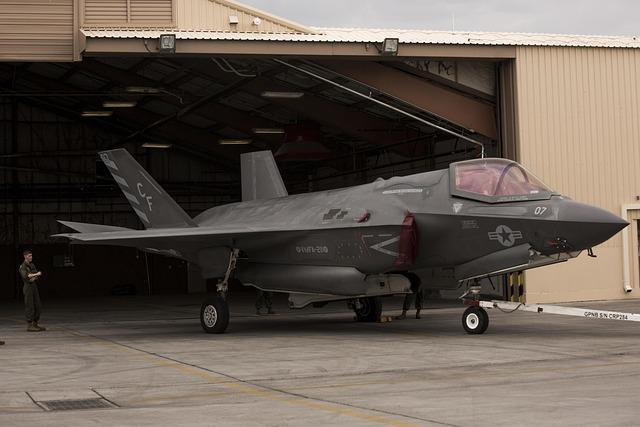
Belgium is considering expanding its fleet of F-35 fighter jets as part of a broader strategy to enhance its military capabilities and modernize its air defense systems. In a move aimed at bolstering national security and aligning with NATO commitments, the Belgian government is reportedly evaluating additional acquisitions of the advanced stealth aircraft. This potential expansion signals a growing recognition of the need for modernized aerial warfare solutions in an increasingly complex geopolitical landscape. The discussions come on the heels of Belgium’s previous F-35 purchases and reflect a commitment to maintaining a competitive edge in air power. As the country navigates its defense priorities,the implications of this decision extend beyond national borders,resonating with international partners and defense industry stakeholders alike.
Belgium Considers Strategic Expansion of F-35 Fleet to Enhance Defense Capabilities
Belgium’s defense authorities are actively considering a meaningful expansion of their F-35 fleet, aligning with broader efforts to bolster national and NATO defense capabilities. This potential acquisition is marked by a strategic assessment of the country’s military needs, emphasizing the importance of advanced multi-role fighter jets in addressing evolving security threats. The discussions come amid a backdrop of shifting geopolitical dynamics in Europe, highlighting the necessity for member nations to enhance their military readiness.
Several key factors are driving Belgium’s contemplation of additional F-35 purchases:
- Enhanced Joint Operations: Improvement in interoperability with NATO allies.
- Advanced technological Features: Access to state-of-the-art avionics and stealth technology.
- Increased Security needs: Addressing potential threats in an increasingly volatile region.
- Cost-Effectiveness: Long-term operational savings through a more robust fleet.
To further illustrate the considerations at play, the following table summarizes the current fleet status and proposed expansions:
| Category | Current Fleet | Proposed Purchases |
|---|---|---|
| F-35A Fighters | 34 | up to 20 |
| Total Fleet Size | 34 | 54 |
The potential for expansion not only serves Belgium’s strategic interests but also reflects a collective commitment among NATO allies to maintain a formidable air defense posture. As these discussions progress, stakeholders are keenly observing how Belgium plans to position itself within a dynamic security landscape, signaling its readiness to adapt and respond to new challenges.
Key Factors Influencing Belgium’s decision to Invest in Additional F-35 Aircraft
Belgium’s government is evaluating the expansion of its F-35 fleet due to a confluence of strategic and operational considerations. Key motivations behind this potential acquisition include:
- Enhanced Air Defense Capabilities: The F-35’s advanced stealth technology and sensor fusion capabilities provide Belgium with a significant edge in modern aerial warfare.
- Commitment to NATO: Increasing the number of F-35s aligns with Belgium’s obligations as a NATO member, contributing to collective security efforts in Europe.
- Technological Advancements: the F-35 is continuously updated with cutting-edge technology, ensuring that Belgian pilots operate with the latest enhancements in combat readiness.
Financial considerations also play a crucial role in Belgium’s assessment of additional F-35 investments. The government is focused on balancing defense spending with broader economic priorities, emphasizing:
- Cost-Effectiveness: While the initial investment is significant, the operational efficiencies offered by the F-35 perhaps reduce long-term maintenance and operational costs.
- Domestic Economic Impact: Expanding the fleet could bolster local defense industries, supporting jobs and technological innovation within Belgium.
- Partnership Opportunities: Collaboration with Lockheed Martin and other NATO allies on F-35 logistics and systems could foster economic ties and regional defense integration.
Expert insights on the implications of Belgium’s F-35 Acquisition for Regional Security
The recent discussions surrounding Belgium’s potential acquisition of additional F-35 fighter jets reflect a broader shift in the landscape of European defense. as member states grapple with emerging security threats, Belgium’s decision could considerably impact regional military capabilities and alliances. Experts argue that enhancing Belgium’s fleet of F-35s will not only bolster its own defense posture but also contribute to NATO’s collective strength. key implications include:
- Strengthening NATO Cohesion: With more F-35s, Belgium can better integrate with joint operations across Europe, enhancing interoperability among allies.
- Deterrence Effect: An expanded fleet could serve as a deterrent against potential aggressors, signaling Belgium’s commitment to robust defense and security.
- Investment in Technology: Increased procurement of advanced systems like the F-35 represents a commitment to modernizing the Belgian Armed Forces, potentially influencing defense procurement patterns in neighboring countries.
Furthermore, analysts suggest that belgium’s move might spur a competitive dynamic in the region, prompting other countries to reassess their own military capabilities. This acquisition comes at a time of heightened vigilance in response to geopolitical tensions. Considering these developments, the strategic benefits of the F-35 could serve as a catalyst for a broader defense collaboration among European nations. The following table outlines current F-35 operators in Europe and their respective fleet sizes:
| Country | F-35 Variant | Fleet Size |
|---|---|---|
| Belgium | F-35A | 34 (planned) |
| United Kingdom | F-35B | 48 |
| Norway | F-35A | 52 |
| Italy | F-35A/B | 90 |
To Wrap It Up
Belgium’s consideration of additional F-35 acquisitions represents a significant step in bolstering its defense capabilities amid evolving security dynamics in Europe. As the country navigates the complexities of modern military preparedness, the decision to expand its fleet of advanced fighter jets reflects a broader commitment to NATO responsibilities and regional stability. With ongoing discussions and potential negotiations on the horizon, the outcome will undoubtedly shape Belgium’s defense posture for years to come. As the situation develops, experts and defense analysts will be closely watching how this initiative aligns with the strategic goals of both Belgium and its allies within the transatlantic alliance.










