
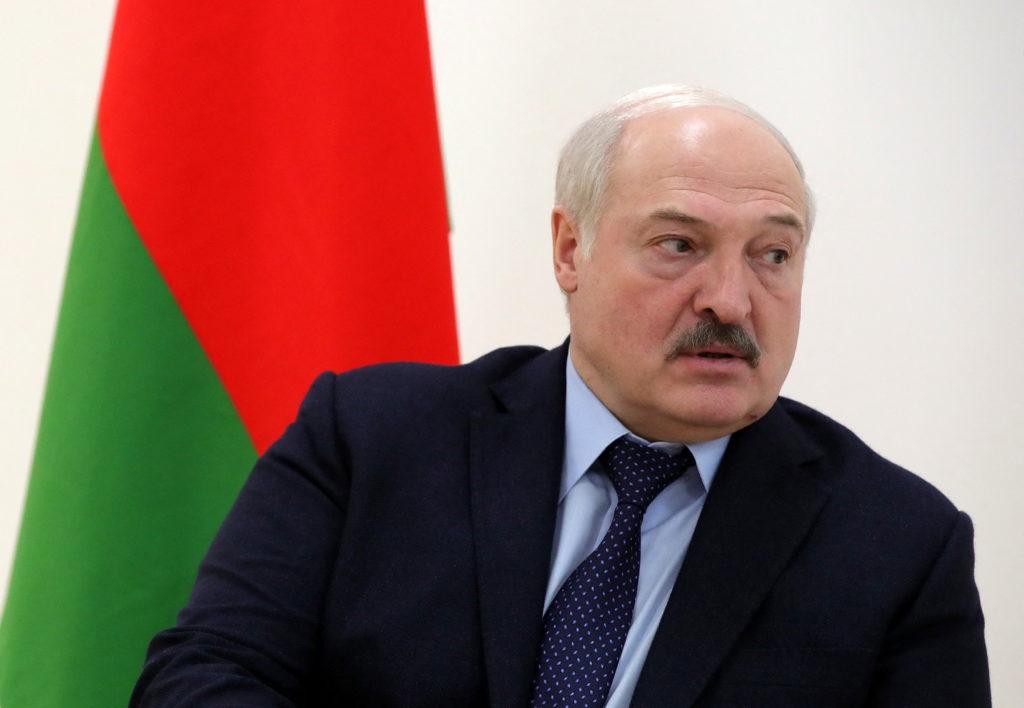
Belarusian President Alexander Lukashenko has arrived in Tianjin,China,to participate in the Shanghai Cooperation Organization (SCO) Summit,a meaningful gathering that brings together leaders from across the region to discuss collaborative efforts on security,trade,and political stability. The summit, which is expected to address pressing regional issues as well as foster economic cooperation among member states, serves as a crucial platform for Belarus to strengthen its diplomatic ties within the framework of the SCO. As regional dynamics shift and multilateral engagements become increasingly essential, Lukashenko’s attendance underscores Belarus’s commitment to playing an active role in the organization’s objectives. This article explores the implications of his visit and the anticipated discussions during the summit.
Belarusian Leadership at the SCO Summit: Strategic Implications for Regional Alliances
The arrival of Belarusian President Alexander Lukashenko at the Shanghai Cooperation Organization (SCO) Summit in Tianjin marks a pivotal moment for regional alliances, notably within the context of geopolitical realignments. As Lukashenko engages with leaders from member states-including China, Russia, and Central Asian countries-his presence signals Belarus’s commitment to strengthening ties with these nations amid growing tensions with the West. This summit serves as a platform for discussing critical issues such as security cooperation, economic collaboration, and the forging of new partnerships, suggesting a shift in the balance of power in the region.
Throughout the summit, key discussions are expected to focus on:
- Security Enhancements: Addressing regional threats and promoting stability.
- Economic Initiatives: Exploring trade agreements and infrastructural projects.
- Cultural Exchange: Fostering mutual understanding among member states.
Moreover, the participation of Belarus in the SCO could lead to:
| Strategic Outcome | Implications |
|---|---|
| Increased Military Collaboration | Enhanced defence mechanisms against external threats. |
| Economic Diversification | Reduced dependency on Western markets. |
| Cultural Diplomacy | Strengthening soft power within the region. |
This evolving dynamic reflects not just a response to current geopolitical challenges, but a proactive stance by Belarus to reposition itself within a network of regional powers, potentially reshaping the strategic landscape in Eurasia.
Economic Collaborations on the Horizon: Opportunities for Belarus and China
Belarus and China are poised to enhance their economic partnership during the critical discussions at the SCO Summit in Tianjin. This collaboration presents a myriad of opportunities for growth and growth, particularly in key sectors such as trade, technology, and infrastructure. With China’s Belt and Road Initiative firmly in place, Belarus stands to benefit considerably from increased investment and enhanced logistical connectivity. The two nations are exploring potential collaborations that may include:
- Joint Ventures: Expanding bilateral projects in manufacturing and lasting energy.
- Technological Exchange: Promoting innovation through cooperative research and development initiatives.
- Infrastructure Development: Infrastructure investments aimed at improving transport networks, particularly rail and road systems.
- Trade Agreements: Streamlining trade processes to facilitate the exchange of goods and services.
As President Lukashenko engages in dialogues on these initiatives, both nations are expected to purposeful on the economic frameworks that will govern their collaboration. A focus on agriculture, especially in the context of food security, is also likely to emerge. Opportunities may include:
| Sector | Potential Collaboration |
|---|---|
| Agriculture | High-tech farming practices and crop exchange programs. |
| Manufacturing | Investment in advanced manufacturing technologies and facilities. |
| Facts Technology | Joint efforts in developing software and data service industries. |
| Tourism | Collaborative marketing to boost tourism between both nations. |
Strengthening Ties: Recommendations for Enhanced Bilateral Relations Amid Global Challenges
In light of evolving geopolitical dynamics, strengthening the bilateral relationship between Belarus and China emerges as a pivotal strategy for both nations. As Belarusian President Alexander Lukashenko attends the SCO Summit in Tianjin, opportunities abound for enhanced collaboration across various sectors, particularly in trade, technology, and cultural exchange. Key focus areas could include:
- Economic Cooperation: Enhancing trade agreements to ensure mutual benefits and expand market access.
- Technology Transfer: Collaborating on technological innovation, particularly in digital infrastructure and sustainable development.
- Cultural Initiatives: Promoting cultural exchanges to deepen mutual understanding and goodwill between the citizens of both countries.
Moreover,both countries can leverage the framework of the Shanghai Cooperation Organization to address shared challenges such as security threats and economic instability. A strategic partnership could be further solidified through initiatives such as:
| Initiative | Description |
|---|---|
| Joint Military Exercises | Enhance defense collaboration to counter regional instability. |
| Cooperative Environmental Projects | Tackle climate change through joint sustainable initiatives. |
| Trade Forums | Facilitate dialog between businesses to explore potential investments. |
Wrapping Up
President Alexander Lukashenko’s arrival in Tianjin for the SCO Summit marks a significant moment in regional diplomacy, emphasizing Belarus’s commitment to strengthening ties with fellow member states. As leaders convene to discuss pressing issues ranging from security to economic cooperation, Lukashenko’s presence underscores Belarus’s pivotal role in fostering collaboration within the Shanghai Cooperation Organization.The outcomes of this summit are anticipated to influence geopolitical dynamics and enhance cooperative efforts among nations in Central Asia and beyond. As the discussions unfold, the international community will be closely monitoring the developments and decisions that emerge from this gathering of leaders.










