
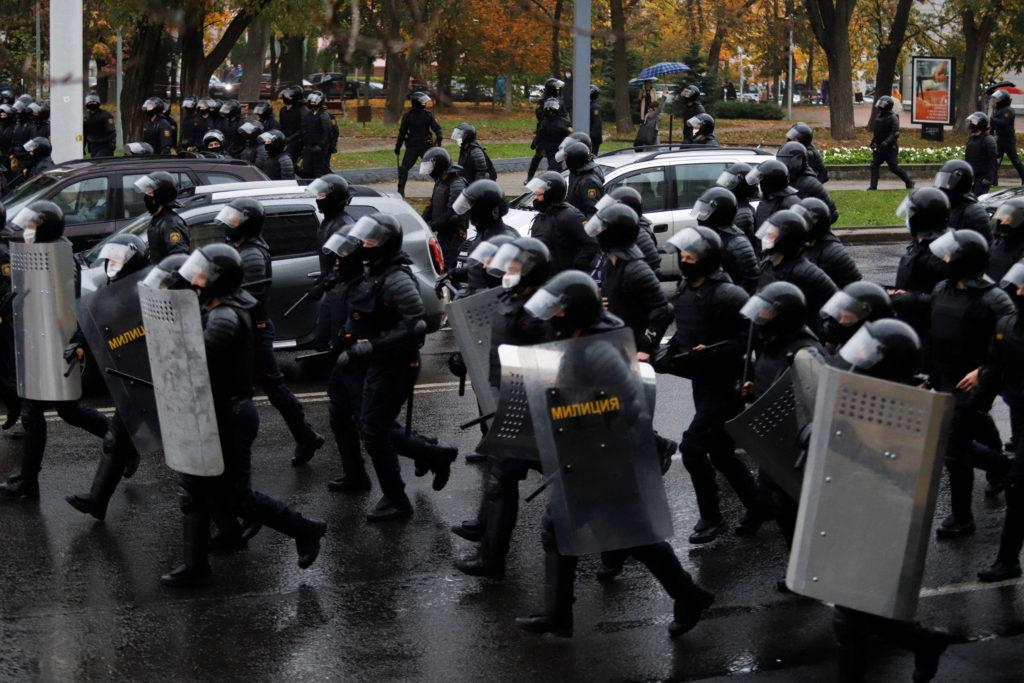
Title: “Crackdown in Belarus: Independent Journalists Face Harsh sentences Amidst Ongoing Repression”
Introduction:
In a sweeping campaign against dissent,the government of Belarus has intensified its crackdown on independent journalism,leading to the detention adn imprisonment of dozens of reporters over recent months. In the wake of increasing political repression following the disputed 2020 presidential election, authorities have systematically targeted media outlets and journalists who dare to report critically on government actions or provide a platform for opposition voices. The dire realities faced by these imprisoned journalists reveal a troubling landscape for freedom of the press in Belarus, where censorship and intimidation have become the new normal. As international calls for accountability grow louder, the stories of those silenced behind bars highlight both the risks of dissent and the resilience of those who continue to pursue truth in a climate of fear.
Belarus’ Unyielding Repression: The Plight of Independent Journalists in Custody
The climate for independent journalism in Belarus has deteriorated sharply as state authorities continue their relentless repression, leaving many journalists facing dire consequences in overcrowded prisons. Authorities have intensified their crackdown following the contested presidential elections in 2020, which were met with widespread protests. Journalists have been targeted for reporting on government malfeasance and the protests themselves, often detaining them under dubious charges. Many are enduring severe conditions, including:
- Prolonged Detention: Journalists are often held without charge for extended periods.
- Lack of Access to Legal Representation: Those imprisoned frequently face obstruction in accessing legal support.
- Harsh Prison Conditions: Accounts of overcrowding, inadequate medical care, and poor nutrition are pervasive.
As the international community grows increasingly alarmed, Belarusian authorities remain steadfast in their pursuit of silencing dissent. The imprisonment of independent journalists reflects a broader strategy to stifle free speech and undermine democracy within the nation. With many journalists facing years behind bars, the stakes for those who dare to report the truth are at an all-time high. The following table highlights some notable cases of journalists currently imprisoned:
| Journalist | Status | Charges |
|---|---|---|
| Andrei Aliaksandrau | Imprisoned | Inciting hatred |
| Marina Zolotov | Imprisoned | Spreading misinformation |
| Vladimir Matskevich | Imprisoned | Organizing protests |
The Human Cost of Censorship: Insights into the Lives Behind Bars
The relentless campaign against independent journalism in Belarus has created a chilling atmosphere, where censorship stifles free expression and decimates the lives of those who dare to report the truth. Prominent journalists are not only facing legal retribution but are also subjected to inhumane conditions in prisons. The repercussions of this suppression extend beyond the individuals detained; they ripple thru families and communities that lose their voices and,frequently enough,their hope.Living under such oppressive conditions leaves prisoners grappling with several challenges, including:
- isolation: Separated from their families and support networks, many journalists endure a suffocating loneliness.
- Physical and Mental Health Issues: Reports indicate rising cases of anxiety, depression, and untreated medical conditions due to inadequate care.
- Legal Battles: Families often face financial burdens as they navigate protracted legal processes to seek their loved ones’ release.
The impact of incarceration on these journalists is profound, as they are often subjected to harsh interrogations and dehumanizing treatment aimed at breaking their spirit. This systematic violation of their rights not only targets their professional identities but fundamentally disrupts their personal lives. Despite the risks, some journalists continue to exercise their craft from behind bars, disseminating facts through smuggled notes or coded messages, demonstrating an indomitable spirit in the face of adversity. the urgent need for international awareness regarding their plight has never been more critical, as activists strive to shine a light on the dark realities of incarceration in Belarus.
Urgent Call for Action: International Responses and Recommendations for Supporting Press Freedom in Belarus
The ongoing repression of independent journalism in belarus has reached critical levels, prompting a strong international response focused on safeguarding press freedom. In light of this urgent situation, several organizations and governments are advocating for a multi-faceted approach to support Belarusian journalists facing incarceration and intimidation. key recommendations include the imposition of targeted sanctions against officials responsible for human rights abuses, increased funding for independent media outlets, and the establishment of safe havens for exiled journalists in neighboring countries.
Moreover, global media associations and advocacy groups are calling for the establishment of a robust international monitoring mechanism to document abuses and mobilize public support for press freedom in Belarus. they emphasize the importance of international solidarity actions, including:
- Raising awareness: Engage with social media campaigns to highlight the plight of imprisoned journalists.
- Collaborating with NGOs: Partner with organizations focused on press freedom to amplify calls for action.
- Lobbying governments: Urge foreign leaders to prioritize Belarusian media freedom in diplomatic discussions.
| Action | Description |
|---|---|
| Sanctions | Targeted measures against repressive officials |
| Funding | Support for independent Belarusian media |
| Safe Havens | Refuge for exiled journalists |
Future Outlook
as the crackdown on dissent continues in Belarus, the growing number of independent journalists imprisoned serves as a stark reminder of the challenges faced by those striving to uphold free expression in an increasingly repressive surroundings. The relentless pursuit of truth in the face of adversity highlights the resilience of the media, but also underscores the urgent need for international attention and intervention. as the situation unfolds, the fate of these journalists remains precarious, raising critical questions about the future of press freedom in Belarus and the broader implications for democratic ideals worldwide. The international community must rally to advocate for the rights of these individuals and condemn the ongoing suppression of independent journalism, ensuring that their voices are not silenced in the fight for a free society.










