
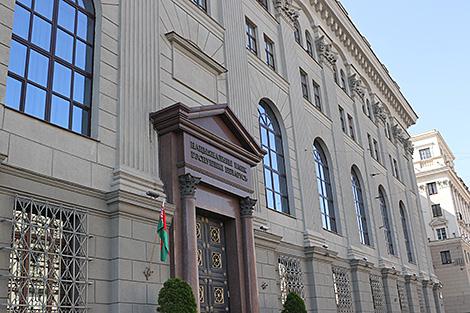
Belarus National Bank Blames Unexpected Factors for Inflation Surge
In a recent statement that has drawn considerable attention, the Belarus National Bank has attributed the country’s soaring inflation rates to a series of unforeseen external and internal factors. As the economic landscape in Belarus continues to shift, the central bank’s assessment aims to provide clarity amidst rising prices that are impacting households and businesses alike. With inflation now a pressing issue for policymakers, the bank’s analysis underscores the complexities of managing economic stability in an increasingly volatile environment. This development comes at a time when citizens are feeling the pinch of higher costs, prompting debates on fiscal policy and urgent calls for effective measures to stabilize the economy.
Belarus National Bank Identifies External Influences Behind Rising Inflation
The Belarus National Bank has attributed the recent surge in inflation to a variety of external factors that have disrupted the economic landscape. Among these influences, the bank cited global supply chain issues, rising commodity prices, and fluctuations in energy costs as significant contributors. These external pressures have compounded the challenges faced by the domestic market, leading to an unexpected spike in consumer prices across various sectors. The bank emphasized that while some inflationary trends were anticipated, the scale and speed of the increase were influenced by unforeseen global developments.
In its latest report, the National Bank outlined several key external elements impacting the economy:
- Heightened Demand for Commodities: An uptick in global demand has led to higher prices for essential goods.
- Energy Market Volatility: Fluctuating oil and gas prices have directly impacted heating and transportation costs, creating a ripple effect throughout the economy.
- Geopolitical Tensions: Ongoing conflicts and sanctions have disrupted trade routes and influenced market stability.
These factors have forced the central bank to reassess its monetary policies and consider additional measures to mitigate inflationary risks. As Belarus navigates these turbulent waters, maintaining economic stability remains a top priority for policymakers and financial authorities.
Economic Analysis: Understanding the Impact of Unexpected Factors on Belarus’ Financial Stability
The recent statement from the Belarus National Bank highlights a critical concern regarding inflation, attributing it to several unexpected factors that have emerged in the financial landscape. Among these factors are supply chain disruptions, environmental changes, and geopolitical tensions. These elements not only challenge the stability of the national economy but also complicate monetary policy efforts aimed at easing inflation pressures. The bank’s acknowledgment of these unforeseen influences suggests a recognition of the interconnected nature of global economics and its direct impact on domestic financial conditions.
To illustrate the specific areas impacted by these unexpected factors, here is a summary of their contributions to economic instability:
| Factor | Impact on Inflation |
|---|---|
| Supply Chain Disruptions | Increases in production costs lead to higher consumer prices |
| Environmental Changes | Affect crop yields and energy prices, exacerbating food inflation |
| Geopolitical Tensions | Instability in neighboring countries influences investment and trade |
As these dynamics unfold, it becomes evident that a multifaceted approach is necessary for stabilizing the economy. The Belarus National Bank may need to consider innovative monetary policies and engage in dialogue with stakeholders across various economic sectors to mitigate the adverse effects of these unexpected challenges.
Recommendations for Mitigating Inflation: Strategies for the Belarusian Economy
To address the rising inflation in Belarus, several strategic measures can be implemented to stabilize the economy. Policymakers should consider tightening monetary policy to manage liquidity in the financial system effectively. By raising interest rates, the National Bank could discourage excessive borrowing and spending, thereby curbing inflationary pressures. In addition, the government could explore strengthening foreign exchange controls to stabilize the Belarusian ruble, which has been vulnerable to external shocks. This may include setting up a more effective currency board or adjusting the currency’s peg to a basket of foreign currencies.
Furthermore, fostering greater economic diversification is crucial for building resilience against inflation. The government should invest in sectors such as technology and agriculture to reduce dependency on imports and enhance local production capabilities. Another essential strategy is to implement targeted subsidies to support critical industries while avoiding blanket subsidies that could exacerbate inflation. Analyzing cost structures and streamlining regulations in key areas can also contribute to lower production costs, thus easing price pressures on consumers. The following table summarizes potential strategies and their expected outcomes:
| Strategy | Expected Outcome |
|---|---|
| Tighten monetary policy | Reduced liquidity and spending |
| Strengthen foreign exchange controls | Stabilized currency value |
| Promote economic diversification | Increased local production |
| Implement targeted subsidies | Support for critical industries |
| Streamline regulations | Lower production costs |
Key Takeaways
In conclusion, the Belarus National Bank’s attribution of rising inflation to unexpected factors highlights the complex interplay between domestic policy and international economic conditions. As the bank grapples with these challenges, it faces pressure not only to stabilize the national economy but also to restore public confidence. With inflation affecting the livelihoods of Belarusian citizens, how the bank navigates these unforeseen obstacles will be closely scrutinized in the coming months. As the situation develops, stakeholders await further announcements and potential policy adjustments that could have significant implications for the country’s economic landscape.










