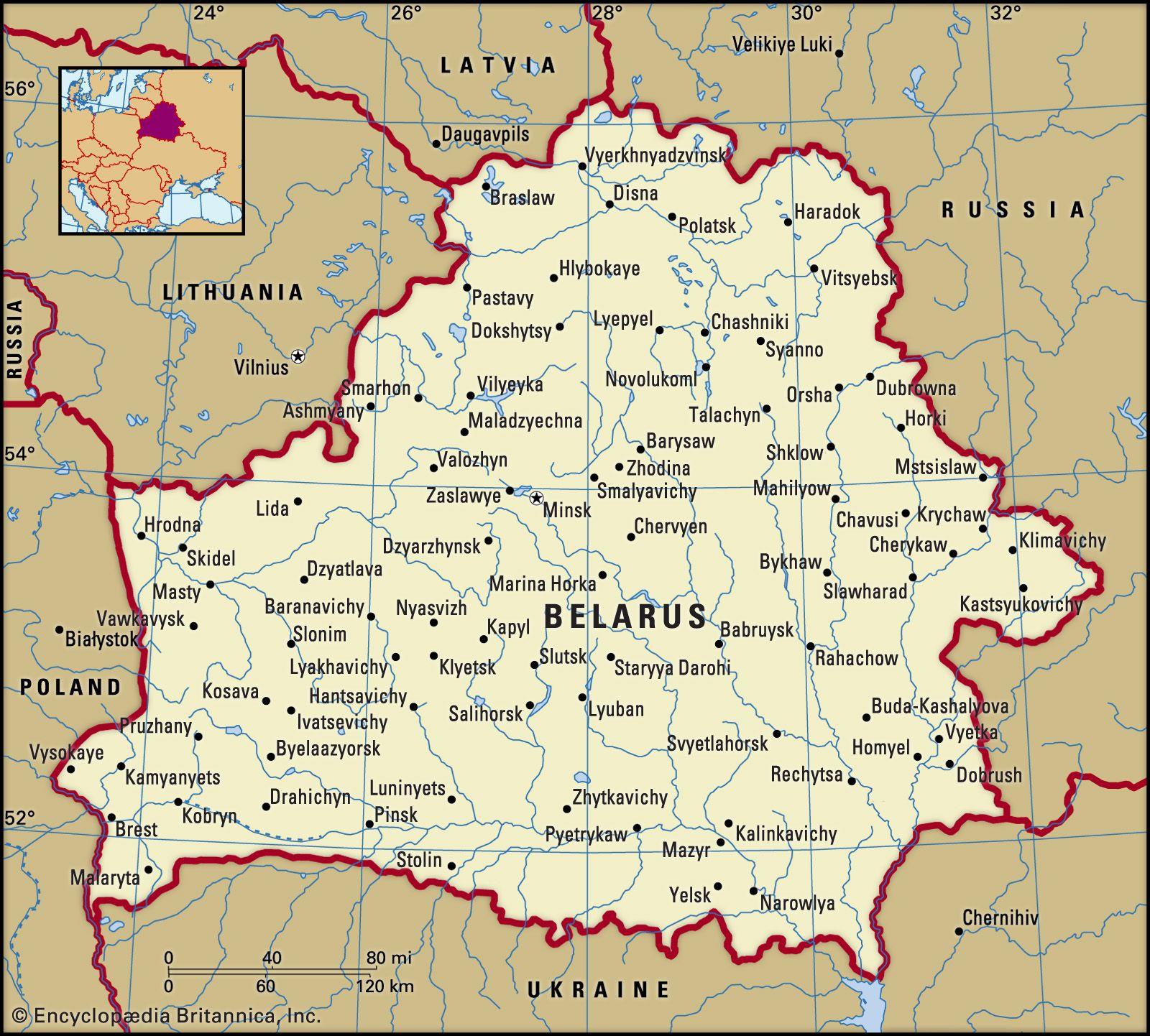
In a significant move that underscores the deepening bilateral ties between Belarus and Pakistan, the Belarusian government has extended an invitation to host 150,000 Pakistani workers. This initiative aims to address both countries’ labor market demands while fostering economic cooperation and cultural exchange. As Belarus seeks to bolster its workforce in various sectors, notably in agriculture and manufacturing, Pakistan stands to benefit from an influx of job opportunities for its citizens.The proposal has sparked discussions about the potential impact on employment, remittances, and the strengthening of diplomatic relations between the two nations. In this article, we explore the implications of this offer, the sectors poised for collaboration, and the perspectives of both governments on this evolving partnership.
Belarus Extends Invitation to Pakistani Workforce: A Potential Economic Boost
In a groundbreaking move, Belarus has extended an invitation to Pakistan to send a significant workforce, with an eye on hosting 150,000 Pakistani workers. This initiative is poised to create noteworthy economic ties between the two nations, opening doors for skilled and semi-skilled labor across various industries in Belarus. The decision is expected to address labor shortages in essential sectors while simultaneously providing a robust employment avenue for Pakistani citizens seeking opportunities abroad.
The potential benefits of this agreement are manifold. For Belarus, integrating Pakistani labor can definitely help drive productivity and innovation in critical sectors such as construction, agriculture, and technology. Conversely, workers from Pakistan will gain invaluable international experiance and skills enhancement, contributing positively to their home economy thru remittances. Key points surrounding this collaboration include:
- Job Security: Workers will have access to stable employment contracts.
- Skill development: Opportunities for training and professional growth.
- Cultural Exchange: Strengthening ties through shared cultural experiences.
Exploring Opportunities and Challenges for pakistani Workers in Belarus
The recent proposal by Belarus to welcome 150,000 Pakistani workers opens a realm of opportunities for both nations. For Pakistani workers, this initiative offers a chance to explore job markets in industries such as manufacturing, agriculture, and technology. Workers can expect potential benefits including:
- higher wage prospects compared to local employment options.
- Skill development in diverse fields, enhancing their professional profiles.
- Global exposure and networking opportunities in a European economy.
However, this venture does not come without its challenges. Among the primary concerns is the need for adequate worker rights protections and support systems to ensure fair treatment in Belarus. Additionally, workers may face barriers such as:
- Language proficiency in Russian or Belarusian, which coudl hinder interaction.
- Cultural differences that might impact workplace dynamics.
- Integration and adjustment challenges in a new surroundings.
| Opportunities | Challenges |
|---|---|
| Higher wages | Worker rights protections needed |
| Skill enhancement | Language barriers |
| Global networking | Cultural adjustments |
Strategic recommendations for Successful Worker Integration and Support
To facilitate the successful integration of 150,000 pakistani workers in Belarus, focused strategies are essential. Firstly, cultural orientation programs should be established, fostering mutual understanding between the local population and newcomers. This integration can be enhanced through:
- Language training initiatives to bridge communication gaps.
- Community events that celebrate both Belarusian and Pakistani cultures.
- Workshops on legal rights and responsibilities to ensure workers are informed and protected.
Additionally,creating a robust support network will be crucial. This can involve forming partnerships with local NGOs and government bodies to provide resources and assistance. A dedicated help desk could assist workers with:
- Job placement services.
- Access to healthcare and social services.
- Financial literacy programs to help with budgeting and saving.
| Support Areas | Implementation Strategies |
|---|---|
| Cultural orientation | community events, Language classes |
| Legal Assistance | Workshops on rights, Help desk services |
| healthcare access | Partnerships with local health services |
| Financial Literacy | Budgeting workshops, Resource guides |
Concluding Remarks
Belarus’s offer to host 150,000 workers from Pakistan underscores a significant prospect for both nations amidst the evolving global labor landscape. As Pakistan continues to grapple with high unemployment rates and the demand for skilled labor rises in Belarus, this partnership could foster deeper economic ties and contribute to cultural exchange. While the negotiations are still in their formative stages,the implications of such a workforce mobilization could be profound,potentially transforming Belarus into a more diverse and dynamic economy while providing Pakistani workers with much-needed opportunities abroad. As the situation develops, stakeholders from both countries will need to navigate the complexities of labor agreements, logistical challenges, and integration processes to ensure a mutually beneficial outcome. The international community will be closely watching how these discussions unfold, as they could set a precedent for future labor collaborations across borders.