
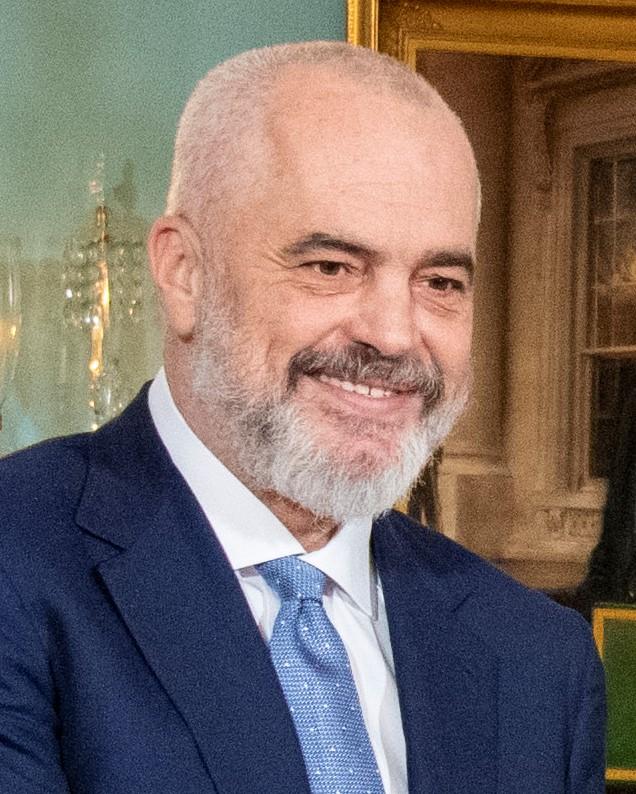
In recent years, Albania has emerged as a focal point in the complex web of geopolitics, with Prime Minister Edi Rama capturing international attention through his controversial leadership style and strategic partnerships. As questions arise about his governing methods and alignment with global power dynamics, comparisons to historical figures such as Manuel Noriega and Recep Tayyip Erdoğan increasingly surface. Both iconic leaders, though polar opposites in many respects, offer insights into the impact of strongman politics on their respective nations. This article delves into the duality of Rama’s political persona, examining how elements of authoritarianism, populism, and international relations shape his rule and position him within the spectrum of contemporary leadership in a rapidly evolving global landscape.
Edi Rama’s Political Maneuvering: A Study in Authoritarian Resurgence
In recent years, Edi Rama has exhibited a combination of populism and authoritarian tendencies reminiscent of both Manuel Noriega and Recep Tayyip Erdoğan, positioning himself as a significant player on the Balkan stage. As Albania’s Prime Minister, his governance style has raised concerns about the erosion of democratic institutions and the rule of law. Critics argue that his administration employs tactics such as media manipulation, political patronage, and judiciary control to stifle dissent and consolidate power. This maneuvering has led to a polarized political environment, where opposition voices struggle to gain traction while Rama’s supporters enjoy increased access to resources and influence.
Rama’s ability to navigate the complexities of international relations further complicates this landscape. By engaging both the European Union and non-EU actors, he has crafted a diplomatic strategy that often prioritizes economic interests over democratic norms. His administration’s approach has included:
- Infrastructure investments tied to foreign loans
- Focus on tourism development as a means to showcase progress
- Strategic alliances with global powers that overlook democratic shortcomings
The interplay between these tactics raises pressing questions about the future of democracy in Albania as Rama continues to assert his authority. As the international community watches, the implications of his political style may well reshape the political landscape in the region.
Examining the Parallels: Albania’s Leader Compared to Noriega and Erdoğan
The political landscape in Albania has drawn striking comparisons to notorious figures like Manuel Noriega and Recep Tayyip Erdoğan. Edi Rama, currently serving as the Prime Minister, displays a blend of authoritarian tactics reminiscent of Noriega, famed for his iron-fisted rule in Panama, while exhibiting aspirations for populism and national pride echoing Erdoğan’s reign in Turkey. Critics argue that Rama has consolidated power to such an extent that he resembles a “strongman” leader, prioritizing personal political survival over democratic values. Observers note that his administration has increasingly undermined opposition parties and curbed press freedoms, invoking concerns about the country’s democratic trajectory.
Moreover, both Noriega and Erdoğan achieved notable strength by leveraging external relations, further mirroring Rama’s approach. The Albanian leader has positioned himself strategically, often appealing to Western allies while sometimes flirting with more authoritarian neighbors, presenting a diplomatic duality. This duality reflects in several ways:
- Media Manipulation: Similar to Erdoğan’s control over Turkish media, Rama’s government has been accused of stifling dissent.
- Electoral Control: Equal to Noriega’s infamous electoral manipulation, critics claim that Rama’s influence has distorted fair voting practices.
- Populist Rhetoric: Rama employs populist narratives akin to Erdoğan to rally support, both domestically and internationally.
Implications for Regional Stability: Strategies for Navigating Edi Rama’s Governance
Under Edi Rama’s administration, Albania stands at a significant crossroads, raising questions about the trajectory of its regional influence and political integrity. As a leader who has garnered both admiration and skepticism, Rama’s governance echoes strongman tactics reminiscent of controversial leaders like Manuel Noriega and Recep Tayyip Erdoğan. This environment requires a strategic approach to enhance regional stability and navigate complex geopolitical waters. Policymakers must consider a multifaceted strategy that includes:
- Strengthening Democratic Institutions: Encouraging robust electoral frameworks to promote transparency and accountability.
- Engaging Civil Society: Supporting grassroots movements that empower citizens and advocate for their rights.
- Fostering Regional Cooperation: Collaborating with neighboring countries to address shared challenges, including migration and economic development.
The increasingly volatile dynamics surrounding Rama’s rule necessitate responsive diplomatic measures that can mitigate risks associated with authoritarianism while fostering a conducive environment for democratic engagement. Additionally, economic strategies must prioritize sustainable development, ensuring that growth is inclusive and benefits the wider populace. A comprehensive analysis of regional implications can inform policymakers on how to approach diplomacy with Albania effectively, as illustrated in the following table:
| Implication | Potential Strategy |
|---|---|
| Authoritarian Resurgence | Enhance diplomatic engagement focused on human rights. |
| Economic Instability | Invest in infrastructure and job creation initiatives. |
| Geopolitical Tensions | Pursue multilateral discussions with EU and NATO partners. |
In Conclusion
In conclusion, the complexities surrounding Edi Rama’s leadership in Albania draw intriguing parallels to controversial figures such as Manuel Noriega and Recep Tayyip Erdoğan. While Rama has positioned himself as a key ally of the West and a reformer in the Balkans, his increasingly authoritarian tendencies raise significant questions about the future of democracy in Albania. As the country navigates its geopolitical landscape, the balancing act between authoritarianism and democratic ideals will be critical for both its domestic stability and international relations. Whether Rama ultimately solidifies his legacy as a transformative leader or follows in the footsteps of past autocrats remains to be seen, but one thing is clear: the eyes of the world are watching closely. Keeping informed about Albania’s political trajectory will be essential as regional dynamics continue to evolve.










