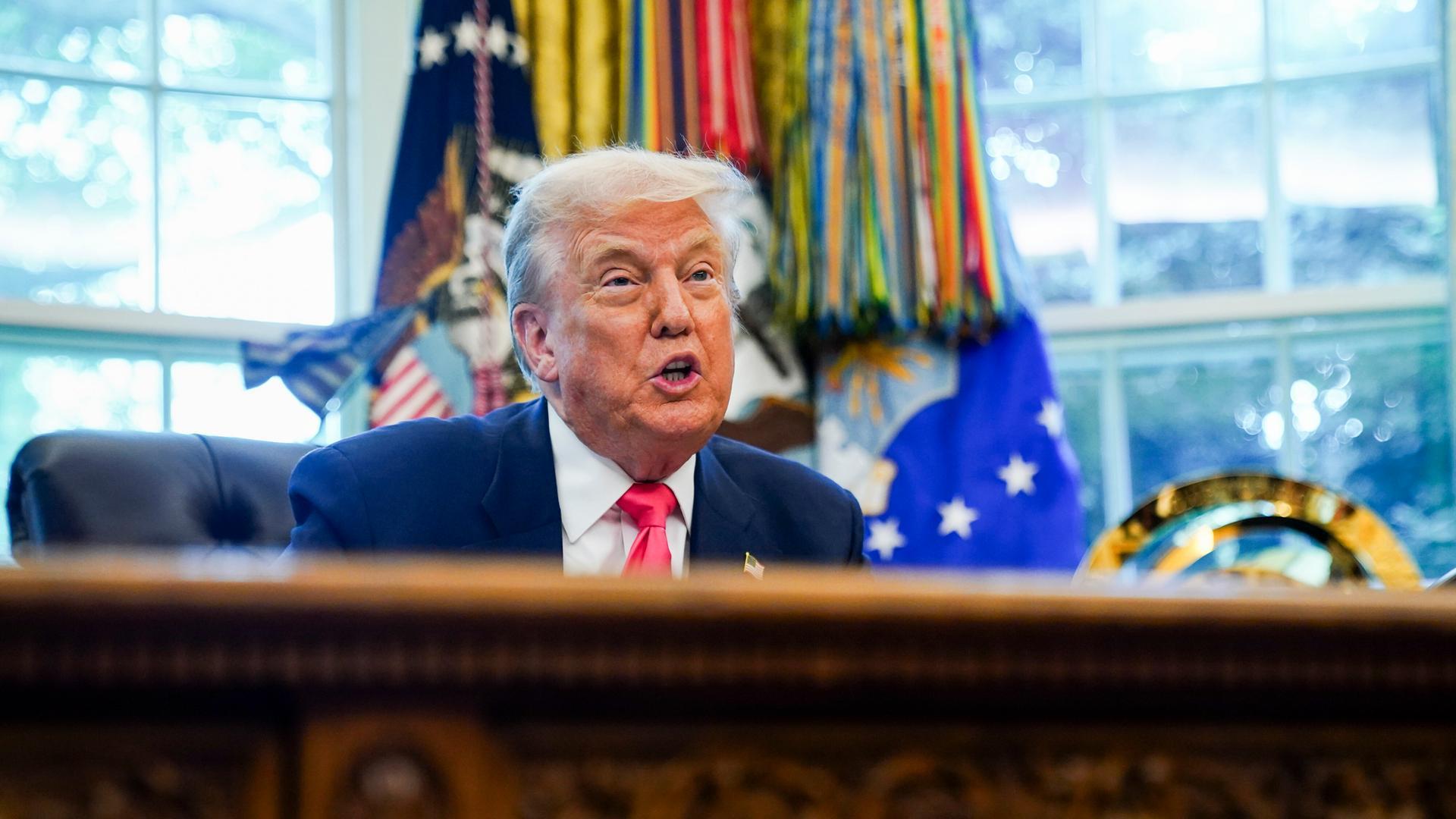
In a rapidly shifting geopolitical landscape, the intertwining of U.S. foreign policy, South American governance, and Chinese influence has gained unprecedented meaning. The tumultuous relationship between former President Donald Trump, the socialist regime in Venezuela, and China’s growing foothold in Latin America encapsulates a broader narrative of power dynamics and economic interests in the region. As Trump’s administration sought to exert pressure on Venezuela, Beijing quietly expanded its presence, investing billions into infrastructure and resources, thereby positioning itself as a key player in Latin America. This article delves into the intricate chess game of international relations, exploring how Trump’s hardline stance on Caracas inadvertently dovetails with China’s strategic ambitions, reshaping the region’s political landscape and economic future.
Trump’s Foreign Policy Legacy and Its Impact on Venezuela’s Turmoil
The foreign policy approach of the Trump administration marked a significant shift in U.S. engagement in Latin America, particularly with respect to Venezuela. Under Trump,the U.S.adopted a hardline stance against the Maduro regime, implementing a series of economic sanctions aimed at crippling its ability to generate revenue. Key elements of this strategy included:
- Recognizing Juan Guaidó as the legitimate president of Venezuela,which galvanized opposition to Maduro.
- Increasing sanctions on oil exports, targeting state-owned enterprise PDVSA, which led to economic collapse.
- Supporting opposition groups and facilitating humanitarian aid, framing it as a moral obligation.
Though, the heavy-handed approach had mixed outcomes, inadvertently allowing China to expand its influence in the region as it positioned itself as a potential ally to Caracas. While Trump’s policies aimed to isolate Venezuela, they also pushed Maduro closer to Beijing, which provided much-needed resources and investments. The geopolitical landscape has shifted, resulting in:
- Heightened U.S.-China rivalry in Latin America, with implications for regional stability.
- Strengthened ties between Venezuela and China through financial loans and military cooperation.
- Diminished U.S. credibility in the region, complicating future interventions.
China’s Strategic Investments Reshape Latin America’s Geopolitical Landscape
Recent developments highlight how China’s increasing investments in Latin America are transforming the region’s geopolitical dynamics.Over the past decade, Chinese financial aid and infrastructure projects have surged, positioning China as a key player in multiple countries. This shift allows Beijing to strengthen its diplomatic ties while gaining access to vital natural resources, which are essential for fueling its own economic ambitions. With Chinese investments in sectors like energy,mining,and agriculture,the Asian giant is not just a financial partner but a formidable influence in shaping local governance and policy directions.
Countries such as Venezuela, which face challenges from economic sanctions and political instability, have found a willing ally in China. As the United States grapples with internal and external pressures, Chinese engagement offers Latin American nations alternatives to traditional Western partnerships. This alignment is evident in several collaborative projects involving technology transfer and joint ventures aimed at revitalizing local economies. Key areas of focus include:
- Infrastructure Growth: Railways,roads,and ports financed by Chinese firms.
- Energy Extraction: Investments in oil and renewable energy sources.
- Debt Relief: Loans provided to alleviate fiscal pressures on government budgets.
Recommendations for a U.S. Response to Counter China’s Influence in the Region
In response to China’s increasing influence in Latin America, the U.S. must adopt a multifaceted strategy that emphasizes diplomatic engagement, economic incentives, and security cooperation. A renewed focus on strengthening ties with regional allies is essential. Collaborating with countries like Brazil, Colombia, and Mexico to establish a cohesive policy framework will counteract China’s soft power initiatives. This should include:
- Enhanced trade agreements that prioritize local industries and promote fair competition.
- Investment in infrastructure projects that rival Chinese investments, thereby showcasing the benefits of American partnerships.
- Support for democratic institutions and civil society to promote governance and openness in the region.
Furthermore, the U.S. should bolster its presence in the strategic sectors of energy and technology. By pushing for public-private partnerships with American firms, it can offer alternatives to Chinese ventures while also meeting the region’s needs. Additionally, strengthening security cooperation initiatives to combat transnational crime and enhance cybersecurity will help build regional trust. A structured approach could include:
- Military training programs for local forces to increase their operational capabilities and readiness.
- Joint exercises to enhance collaboration and preparedness against external threats.
- Intelligence sharing to counteract influence operations by foreign powers.
Final Thoughts
As the geopolitical landscape in Latin America evolves, the intertwined relationships among the United States, Venezuela, and China remain pivotal. The contrasting strategies employed by the Trump administration and Beijing highlight the complexities of influence in the region. As China continues to solidify its presence through investments and political alignments, the U.S. faces challenges in countering this expansion while addressing longstanding issues in Venezuela. The implications of these dynamics extend beyond the immediate hemisphere, affecting global trade, diplomatic relations, and regional stability. Observers will be keenly watching how these developments unfold, as they will undoubtedly shape the future of Latin America and its role in the world order. As we move forward, the choices made by both Washington and Beijing will be critical in determining the trajectory of this key region.