
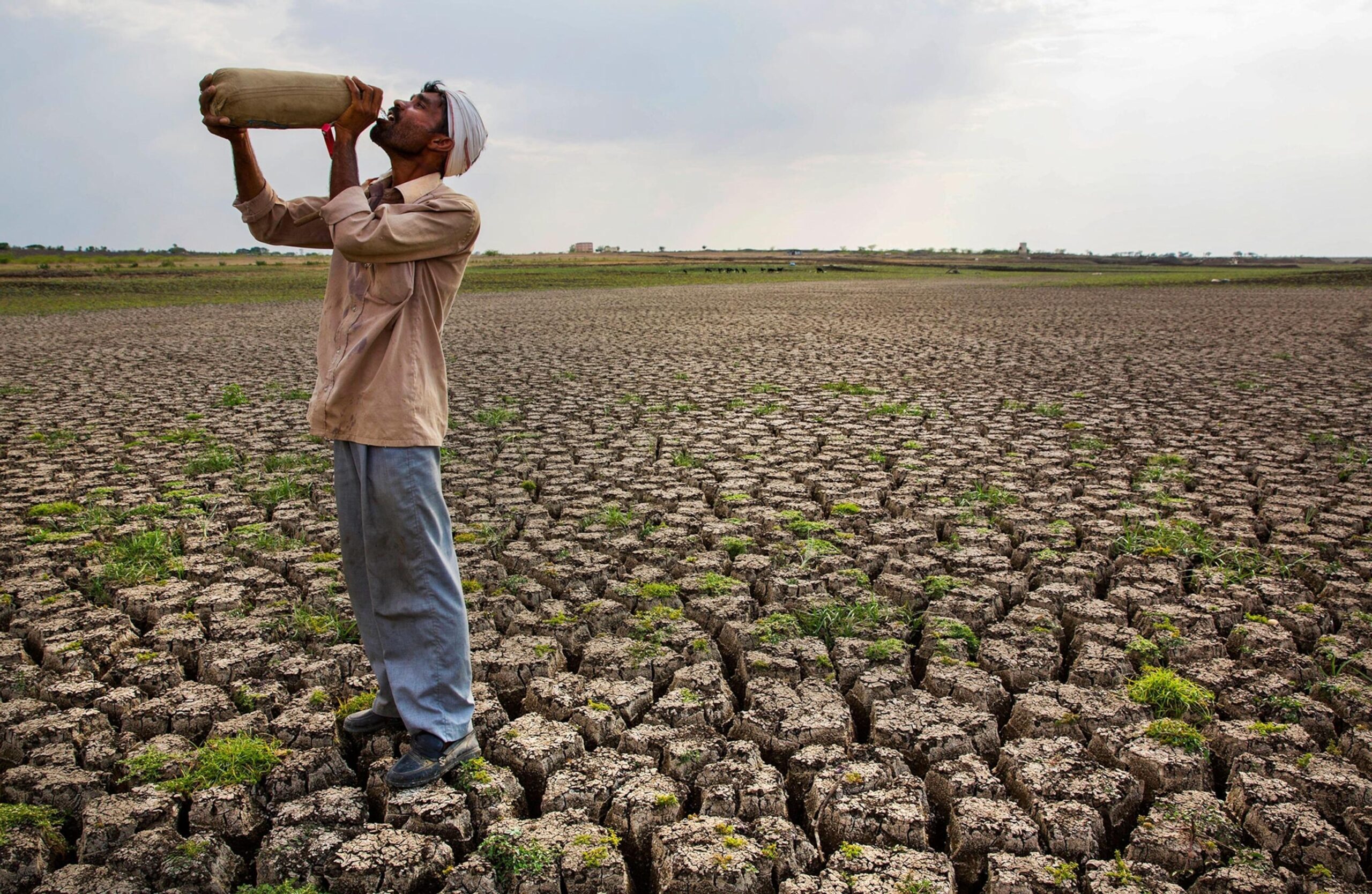
As climate change intensifies and population pressures mount,the landscape of water resources in South Asia is becoming increasingly contested. The region, home to some of the world’s most notable rivers, is now at the center of what many experts describe as “water wars”-a term used to characterize the escalating conflicts among neighboring countries driven by the critical demand for freshwater.In the intricate tapestry of South Asian geopolitics, hydro-hegemony-a concept that highlights the power dynamics surrounding water access and management-emerges as a crucial factor shaping relations between nations. This article delves into the complex interplay of environmental change, national interests, and regional tensions surrounding water governance in South Asia, exploring how these dynamics contribute to a broader narrative of conflict and cooperation in a resource-scarce future. From the Indus River basin to the Ganges, the stakes are high, as water scarcity threatens not only livelihoods but also peace among nations. In the face of these challenges, understanding the nuances of water politics in South Asia is essential for fostering dialog and seeking lasting solutions.
Understanding Water Wars in South Asia: Historical Context and Current Conflicts
Water scarcity in South Asia has deep historical roots, exacerbated by colonial legacies and geopolitical tensions. The British colonial governance’s management of river systems prioritized agricultural productivity while disregarding local communities’ needs, establishing patterns of inequity that persist today. Key rivers like the Indus, Ganges, and Brahmaputra have become arenas of competition rather than shared resources. As national boundaries often split critical river basins,the mismanagement and pollution of these waters have led to escalating disputes among countries,creating a complex web of political,social,and economic tensions.
The emergence of hydro-hegemony-where one nation exert influence over shared water resources-intensifies these conflicts. As an example, India, as the upper riparian state of several major river systems, has considerable control over water flows, frequently enough utilizing this leverage to negotiate power dynamics in regional relationships. Key factors contributing to these tensions include:
- Infrastructural developments, such as dams and irrigation projects
- Historical treaties, like the Indus Water Treaty, which are often viewed as inequitable
- Climate change impacts, leading to altered water availability and increasing competition
As a result, the potential for conflict looms large, making it imperative for South Asian nations to pursue cooperative management strategies to ensure sustainable water access for all involved.
The Role of Hydro-Hegemony in Regional Power Dynamics and Resource Control
The dynamics of water distribution across South Asia showcase a complex interplay of power and diplomacy, highlighting the supremacy of certain nations over shared water resources. Hydro-hegemony becomes the defining architecture through which states negotiate their interests, frequently enough leading to tensions and conflicts.Nations with upper riparian positions, such as India along major river systems like the Ganges and Brahmaputra, can exert significant influence over water allocation, inadvertently marginalizing lower riparian states like Bangladesh and Pakistan. This imbalance prompts reactions ranging from diplomatic negotiations to more aggressive postures, underscoring how critical water resources fuel not just agricultural sustenance but also national security considerations.
Moreover, the implications of hydro-hegemony extend beyond sheer control of water. Economic interests, political leverage, and environmental sustainability all intertwine within this structure, often leading to conflicts that can escalate into broader regional crises. Key drivers include:
- Economic dependencies on agriculture and hydropower generation.
- Political instability stemming from perceived or real disparities in water access.
- Environmental changes affecting water availability, heightening competition among states.
| Country | Water Resource Control | Regional Tensions |
|---|---|---|
| India | Ganges, Brahmaputra | High with Bangladesh, Pakistan |
| Bangladesh | Brahmaputra tributaries | Moderate with India |
| Pakistan | Indus River system | Critical with India |
Strategies for Promoting Sustainable Water Management and Cooperation in South Asia
To address the pressing challenges of water scarcity and management in South Asia, fostering regional cooperation is paramount. Governments and stakeholders can adopt several strategies, including:
- Joint Management Agreements: Formulate bilateral and multilateral treaties for equitable sharing and management of transboundary water resources.
- Capacity Building: Invest in training programs for local communities on sustainable water practices and conservation techniques.
- Research and Innovation: Promote research initiatives focused on developing sustainable water technologies and practices tailored to regional needs.
- Public Awareness Campaigns: Launch campaigns to educate citizens on the importance of water conservation and the shared nature of water resources.
Furthermore, regional platforms can enhance collaboration and transparency in water management. Mechanisms such as:
| Platform | Purpose | Example |
|---|---|---|
| Regional Water Dialogues | Facilitate discussions among policymakers | SAARC Water Conference |
| Intergovernmental Bodies | Ensure compliance with water-sharing agreements | Indus Water Commission |
| Community Councils | Engage local stakeholders in decision-making | Village Water Committees |
Such collaborative efforts can pave the way for sustainable water management, mitigating the risks of conflict, and ensuring a harmonious coexistence of diverse communities reliant on shared water sources.
Concluding Remarks
the escalating tensions surrounding water resources in South Asia underscore the critical intersection of politics, habitat, and human rights. As nations vie for control over shared rivers and aquifers, the concept of hydro-hegemony becomes increasingly relevant, revealing the complex power dynamics that govern access to this vital resource. The implications of these water wars extend beyond borders, affecting not only national security and regional stability but also the livelihoods of millions who depend on these water bodies for their sustenance.
Ultimately, addressing the challenges posed by water scarcity and competing interests requires cooperation and dialogue among South Asian nations. Sustainable water management practices, equitable sharing agreements, and greater transparency are essential in mitigating conflicts and promoting peace. As global attention turns toward the implications of climate change on water resources, it is imperative for policymakers and communities alike to recognize the importance of collaboration over competition, ensuring that water remains a source of life rather than a catalyst for conflict.










