
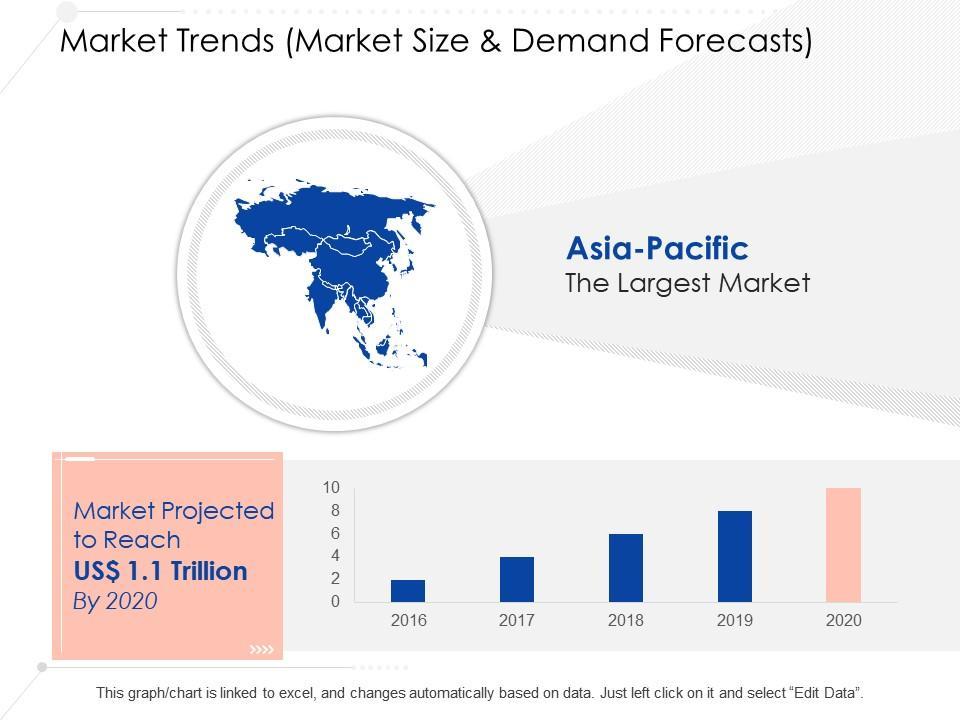
In the wake of a notable rally on Wall Street spurred by optimism surrounding a potential U.S.-China trade deal, Asia-Pacific markets are experiencing a mixed performance as investors weigh the implications of the agreement. While some regional indices have posted gains, reflecting a bullish sentiment from overseas markets, others are grappling with caution amid ongoing economic uncertainties. As traders assess the potential impact of the trade developments, mixed responses are evident across major exchanges in Japan, South Korea, Australia, and beyond. This article delves into the current state of the Asia-Pacific markets, analyzing key market movements and investor reactions following the monumental shifts in the trans-Pacific economic landscape.
Asia-Pacific Markets React Cautiously Following Wall Street’s Surge on Trade Deal Hopes
In the wake of Wall Street’s impressive gains, fueled by optimism surrounding a potential U.S.-China trade agreement, Asia-Pacific markets displayed a mixed performance on Wednesday.Major indices across the region reflected a cautionary stance as investors weighed the implications of progress on trade negotiations against ongoing economic uncertainties. Japan’s Nikkei 225 ended up 0.5% higher, bolstered by technology stocks, while Australia’s S&P/ASX 200 dropped slightly, reflecting concerns over domestic economic indicators.Meanwhile, Hong Kong’s Hang Seng Index fluctuated but ultimately closed down by 0.3% as property and insurance shares faced profit-taking after recent gains.
Market analysts remain divided on the long-term effects of a U.S.-China trade deal, emphasizing the potential need for cautious optimism. Key factors affecting investor sentiment include the durability of any agreements reached and how they would influence global supply chains. Highlighting this complexity, here are some of the possible outcomes from the ongoing talks:
| Possible Outcomes | Investor Impact |
|---|---|
| Increased tariffs lifted | Market rally resumes |
| Continued tensions | Increased volatility |
| Sector-specific agreements | Sectoral boosts |
| Long-term collaboration | Market stability |
Investor Sentiment Wavers as Mixed Results Emerge Across Key Regional Indices
Investor sentiment showed signs of fluctuation as major indices across the Asia-Pacific region reacted to the aftermath of Wall Street’s significant rally, spurred by optimism surrounding the recent U.S.-China trade deal. While some markets attempted to capitalize on the bullish trend, others faced headwinds, leading to a mixed bag of performance. Analysts noted that the enthusiasm generated by the news did not translate uniformly, reflecting the ongoing uncertainties regarding global economic recovery and geopolitical tensions in the region.
Key regional stock exchanges displayed divergent trends, with several factors contributing to the wavering mood among investors.Notable points include:
- China’s Economic Indicators: Recent data suggests a slowdown in industrial output, raising concerns over domestic demand.
- Inflationary Pressures: Rising concerns about inflation in various economies may weigh on market prospects.
- Sector Performance: Technology and consumer discretionary sectors saw varied reactions, with some stocks gaining while others struggled.
| Index | Change (%) |
|---|---|
| Nikkei 225 | +1.2 |
| Hang Seng | -0.5 |
| ASX 200 | +0.8 |
| KOSPI | -0.3 |
Strategies for Navigating the Uncertain Terrain of Asia-Pacific Markets Amid Trade Optimism
The buoyancy in Asian markets, a reactive ripple from Wall Street’s exuberant response to the U.S.-China trade deal, presents both opportunities and challenges in an increasingly complex economic landscape. As investors sift through the mixed signals emanating from the region, it is imperative to adopt a multifaceted strategy for navigating volatility. Key approaches include:
- Sector Diversification: Focus on sectors that are likely to benefit from trade agreements, such as technology and consumer goods while keeping an eye on vulnerable industries.
- Geographic Focus: Prioritize investments in countries exhibiting resilient economic fundamentals, especially those with strong domestic consumption.
- Monitoring Global Trends: Stay vigilant on macroeconomic indicators and geopolitical developments that may impact trade dynamics and market sentiments.
- Flexible Investment Strategies: Utilize a combination of short-term and long-term investment strategies to adapt to rapid market changes.
Furthermore, a detailed analysis of recent trade indicators can provide insights into future market movements. The following table summarizes key economic signals from major Asia-Pacific economies that could guide investment decisions:
| Country | Trade Balance | GDP Growth Rate (%) | Latest Trade Agreements |
|---|---|---|---|
| China | $25 billion surplus | 6.1 | RCEP |
| Japan | $10 billion deficit | 1.0 | Japan-U.S. Trade Deal |
| Australia | $5 billion surplus | 2.1 | Australia-UK FTA |
Closing Remarks
the mixed performance of Asia-Pacific markets following Wall Street’s considerable rally underscores the complexities and nuances of global economic relations, particularly in the context of the recent U.S.-China trade deal. While investor sentiment has been buoyed by hopes of a more stable trade landscape,regional markets are responding to a varied set of local economic indicators and geopolitical developments. As traders and analysts continue to monitor the evolving situation, the interplay between market optimism and underlying economic realities will remain a critical focus. Stakeholders will be watching closely in the coming days to gauge whether the momentum from the U.S. can influence a more sustained rebound across the Asia-Pacific region. Stay tuned for further updates as the situation develops.










