
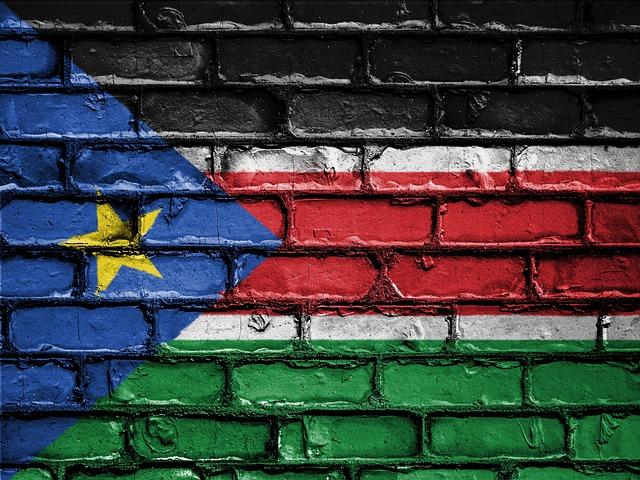
Title: Sudan: Battleground for the Global Responsibility to Protect
Introduction:
In the heart of Africa, Sudan stands as a poignant symbol of the complexities surrounding the doctrine of the Responsibility to Protect (R2P). Established in the early 2000s, R2P aims to hold states accountable for safeguarding their populations from genocide, war crimes, ethnic cleansing, and crimes against humanity. However, the ongoing conflict and humanitarian crises in Sudan challenge the effectiveness and commitment of the global community to uphold this doctrine. As violence escalates in regions like Darfur and tensions surge amid political turmoil, the international response continues to be scrutinized. This article delves into Sudan’s precarious situation, examining how the principles of R2P are tested in a landscape marked by suffering and resilience, and the implications for global accountability in crisis situations. Through the lens of Sudan, we explore the successes and failures of the international community in fulfilling its moral and legal obligations, shedding light on the urgent need for action to protect vulnerable populations at risk.
The Crisis in Sudan and Its Implications for Global Responsibility
The ongoing crisis in Sudan serves as a stark reminder of the international community’s obligations under the principle of the Responsibility to Protect (R2P). As violence escalates and humanitarian conditions deteriorate, the need for global intervention has never been more urgent. The situations that unfold in Sudan are not merely local conflicts; they have far-reaching implications that touch upon global security, human rights, and economic stability. The international community must grapple with questions of moral obligation and the efficacy of intervention, weighing the potential benefits against the risk of further exacerbating local grievances. Inaction in the face of such crises potentially sets a precedent for future conflicts, signaling to aggressors that violent tactics may go unchecked.
Addressing the complexities of the Sudanese crisis requires a multifaceted approach that encompasses diplomatic, economic, and humanitarian strategies. Key actions that need to be considered include:
- Immediate humanitarian assistance to support the displaced populations.
- Imposition of targeted sanctions against individuals and entities perpetuating violence.
- International diplomatic efforts to broker peace talks among conflicting parties.
- Monitoring and reporting on human rights violations to hold perpetrators accountable.
A global partnership is essential to effectively address these challenges and fulfill the R2P commitment. Below is a table summarizing potential roles of various stakeholders in this effort:
| Stakeholder | Potential Role |
|---|---|
| United Nations | Facilitator of peace talks and coordination of humanitarian aid |
| Regional Organizations | Provide peacekeeping forces and mediation |
| Non-Governmental Organizations | Deliver direct aid and document human rights abuses |
| Global Powers | Leverage diplomatic pressure and sanctions |
International Responses to Human Rights Violations in Sudan
Strengthening the Global Framework for Protecting Vulnerable Populations in Conflict Zones
In the face of escalating violence and humanitarian crises, the international community must rally to enhance protective measures for vulnerable populations caught in conflict zones like Sudan. Strengthening collaborative approaches that center on human rights, dignity, and safety is essential. Key strategies include:
- Enhanced Data Collection: Building comprehensive databases on human rights abuses, ensuring that the plight of marginalized communities is accurately documented.
- International Collaboration: Engaging multiple stakeholders, including local NGOs and international bodies, to coordinate responses and share resources effectively.
- Education and Awareness: Raising public consciousness about the issues faced by vulnerable populations, fostering a global network of support and advocacy.
The implementation of innovative frameworks that promote accountability and justice can make a profound difference. By leveraging legal instruments and diplomatic pressure, the global community can advocate for policies that protect those most at risk. A focus on sustainable long-term solutions must integrate local perspectives to ensure that protective measures are both effective and culturally sensitive. A potential monitoring framework may include:
| Protection Initiative | Implementation Status | Key Players |
|---|---|---|
| Emergency Aid Distribution | Ongoing | Red Cross, Local NGOs |
| Legal Advocacy for Refugees | Proposed | UNHCR, Human Rights Watch |
| Community Training Programs | Implemented | Local Leaders, International Volunteers |
To Wrap It Up
In conclusion, the situation in Sudan remains a critical focal point for the international community, particularly in the context of the Responsibility to Protect (R2P) doctrine. The ongoing conflicts and humanitarian crises underscore the urgent need for global engagement and a robust response to safeguard the rights and welfare of the Sudanese people. As the country grapples with its complex socio-political landscape, the role of international actors-including the United Nations, regional organizations, and civil society-will be pivotal in addressing the challenges at hand.
The Global Centre for the Responsibility to Protect has highlighted the need for sustained attention and action to prevent further atrocities and uphold human rights in Sudan. With the world watching closely, it is essential that the principles of R2P are not only acknowledged but actively implemented to foster a pathway towards peace, stability, and reconciliation in the region.
As we move forward, the call to action remains clear: the global community must reaffirm its commitment to protecting vulnerable populations and work collaboratively to ensure that Sudan does not fade from international consciousness. The fight for justice and dignity is a shared responsibility, and together, we can strive to create a future where the people of Sudan can live free from fear and violence.










