
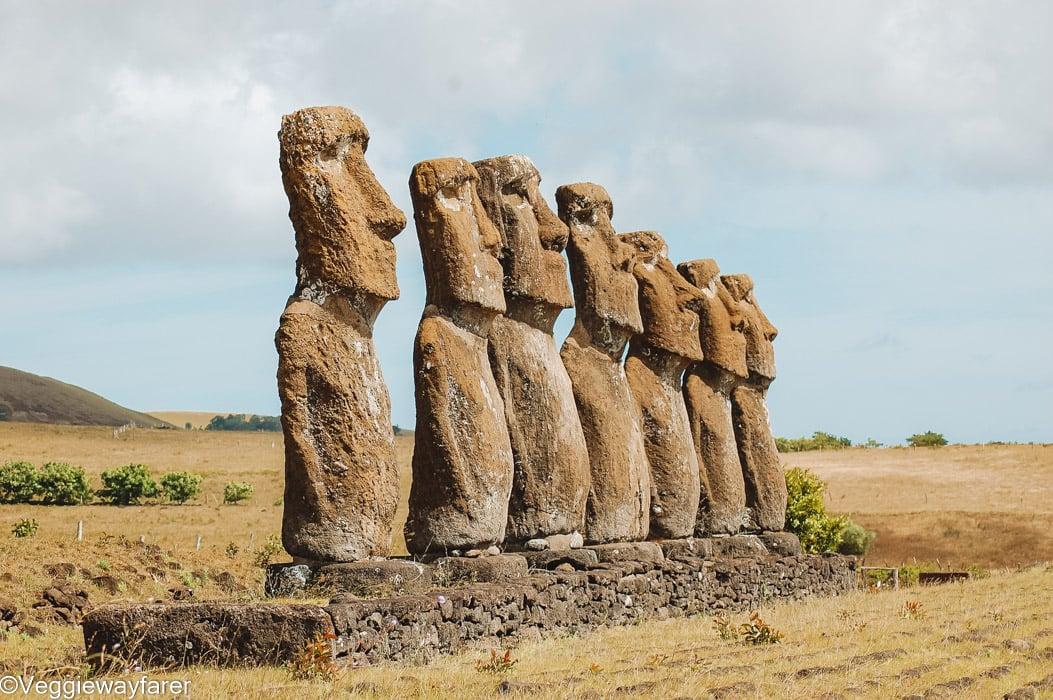
Unraveling the Enigma of Easter Island’s Giants
In a groundbreaking revelation that promises to shed light on one of archaeology’s most enduring mysteries, researchers have made significant strides in understanding how the colossal Moai statues of Easter Island were transported from their quarries to various locations across the remote Pacific island. For centuries, these enigmatic monoliths have stood as silent sentinels, raising questions about the ingenuity and resourcefulness of the Rapa Nui people who created them. Despite numerous theories suggesting various methods-ranging from rolling on logs to using a sophisticated system of sledges-scientists have struggled to pinpoint the true means behind their relocation. Now, a combination of innovative experimental archaeology and technological advancements may hold the key to unlocking the logistical puzzle of these iconic statues, providing fresh insights into the cultural and historical significance of Easter Island and its inhabitants. As this story unfolds, the implications extend beyond the island itself, influencing our understanding of ancient civilizations and their relationship with monumental architecture.
New Discoveries Illuminate the Techniques Used to Move Easter Island’s Moai Statues
Recent research has unveiled groundbreaking insights into the long-enigmatic techniques used by the Rapa Nui people to transport the iconic Moai statues across Easter Island. Utilizing a combination of advanced archaeology, experimental physics, and insights from indigenous oral traditions, researchers have proposed a new method that challenges previously held assumptions. The study suggests that rather than being rolled on logs as commonly believed, the massive stone figures were “walked” upright by a coordinated effort of teams using ropes and body weight, effectively creating a form of lateral movement.
This innovative approach highlights not only the ingenuity of the island’s inhabitants but also their deep understanding of balance and leverage. Key findings from the research include:
- Coordinated Movement: Teams used synchronized efforts to shift the statues, enabling them to pivot and walk.
- Rope Mechanics: The application of ropes as tension tools allowed for precise control during transportation.
- Cultural Practices: Incorporating traditional practices provided insights into how the Rapa Nui maintained their statues and conducted rituals surrounding them.
Additionally, experiments conducted with replica Moai statues demonstrated the feasibility of this movement technique under the island’s terrain conditions. Initial trials revealed that even large-scale models could be transported effectively with a well-practiced technique, shedding light on the sophisticated methods employed by this ancient society. As researchers continue to analyze the archaeological remnants and oral histories, the legacy of the Moai transport may finally gain clarity, enriching our understanding of Easter Island’s rich cultural heritage.
Archaeological Insights Reveal Cultural Significance of the Transportation Methods
Recent archaeological studies have shed light on the remarkable transportation methods employed by the Rapa Nui people to move the colossal Moai statues from volcanic quarries to their ceremonial sites. Employing a combination of innovative techniques and a keen understanding of their environment, the locals mastered the complexities of heavy lifting and logistics. Evidence suggests that the statues were not merely dragged across the landscape; rather, they were carefully maneuvered using a system of ropes and coordinated manpower, emphasizing the intricate social structures and community efforts that defined Rapa Nui culture.
Field research has revealed a variety of tools and strategies that facilitated this monumental task, further emphasizing the cultural significance of transportation in ancient Rapa Nui society. Key insights include:
- Rope Systems: Innovations in rope-making allowed for effective lifting and pulling techniques.
- Team Coordination: Evidence of communal involvement highlights the societal bonds necessary for such large-scale undertakings.
- Environmental Adaptation: Transport pathways were adapted to the unique volcanic landscape of Easter Island, demonstrating a deep connection with their surroundings.
This newfound understanding not only enriches the narrative of Easter Island’s history but also uncovers the profound impact transportation had on the cultural identity and rituals of the Rapa Nui people.
Future Research Directions to Further Unravel Easter Island’s Statues’ Mysteries
Research efforts to uncover the secrets of Easter Island’s colossal statues are at a pivotal moment, paving the way for innovative methodologies. Future studies could focus on advanced engineering techniques and archaeological tools that harness modern technology to simulate and recreate the methods used by the Rapa Nui. Employing 3D modeling and virtual reality, researchers can construct interactive environments that allow for comprehensive analysis of statue transportation methods. Furthermore, the integration of geological surveys and climate studies will deepen our understanding of the island’s resources and ecological conditions that influenced the statue construction and mobility.
In addition to technology-driven approaches, interdisciplinary collaborations will be essential in advancing our knowledge. By uniting anthropologists, historians, and environmental scientists, a more holistic view of the cultural significance and environmental factors that shaped the Rapa Nui society will emerge. Key areas of focus should include:
- Field Excavations: Targeted digs at historic transportation routes.
- Material Analysis: Assessing the origins of stone materials used for statue carving.
- Cultural Practices: Ethnographic studies on the traditions surrounding statue erection and transport.
- Community Engagement: Collaborating with local Rapa Nui communities to gather oral histories and insights.
Additionally, a focused socio-environmental impact study can reveal how ancient practices were adapted in response to the island’s changing climate and resource availability.
| Research Focus | Potential Outcomes |
|---|---|
| Engineering Techniques | Identifying feasible transportation methods |
| Geological Studies | Understanding resources and their distribution |
| Cultural Analysis | Unveiling the significance of the statues |
| Interdisciplinary Collaboration | Broader insights into Rapa Nui civilization |
Future Outlook
In conclusion, the recent revelations surrounding the transportation of the monumental statues on Easter Island not only shed light on a long-standing archaeological mystery but also underscore the ingenuity and advanced engineering skills of the island’s ancient inhabitants. As researchers continue to delve into the complexities of this remarkable feat, the findings offer a fascinating glimpse into the cultural and historical context of the Rapa Nui people. While much remains to be explored, the enhanced understanding of how these colossal figures were moved may serve as a stepping stone for future studies, further enriching our appreciation of Easter Island’s unique heritage. As the story continues to unfold, the world watches closely, eager to learn more about the enduring legacy of these iconic statues and the people who crafted them.










