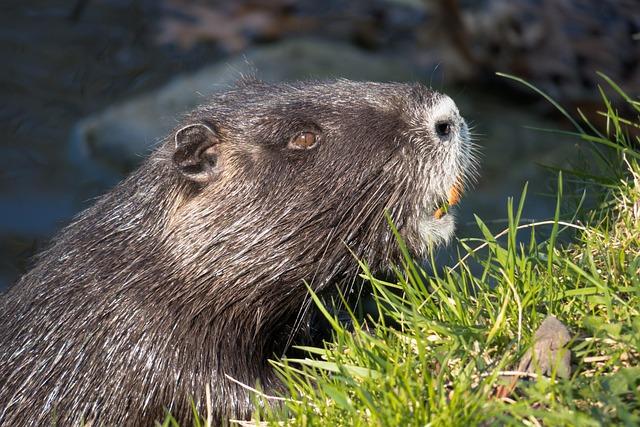
A recent study has shed new light on the environmental history of easter Island, revealing the significant role that invasive Polynesian rats played in the island’s deforestation.Once thought to be primarily shaped by human activity, the research suggests that these rodents, introduced by early settlers, may have exacerbated the ecological decline of the island’s forests, ultimately contributing to its iconic but now-vanished palm trees. The findings underline the complex interplay between introduced species adn fragile ecosystems, raising important questions about the long-term impacts of biological invasions on isolated environments. As researchers continue to unravel the ecological narrative of Easter Island, this study emphasizes the need for careful consideration of invasive species in conservation efforts worldwide.
Invasive Rodents linked to Dramatic Environmental Changes on Easter Island
Recent research reveals a startling connection between the introduction of invasive Polynesian rats and the extensive deforestation observed on Easter Island,known for its iconic moai statues. Scholars have long debated the environmental transformations that led to the island’s drastic ecological shifts. A complete analysis of sediment cores from ancient lakebeds now provides clear evidence that these rodents, which arrived alongside early Polynesian settlers, played a pivotal role in the decline of native forests. By feeding on the island’s unique flora, the rats contributed to an accelerated loss of vegetation, leading to the soil erosion and diminished agricultural capacity that followed.
The study highlights several key findings that underline the impact of these invasive species:
- Loss of Native Trees: The presence of Polynesian rats correlates with a significant decline in tree species critical to the island’s ecosystem.
- Soil Degradation: with fewer trees to anchor the soil, erosion rates increased, leading to further habitat destruction.
- Climate Impact: Deforestation altered local climate patterns, which may have fueled further challenges for the indigenous population.
This research not only sheds light on the ecological history of Easter Island but also serves as a cautionary tale regarding the introduction of non-native species and their potential to disrupt fragile ecosystems.
New Research Uncovers the Role of polynesian Rats in Forest Decline
A groundbreaking study has shed light on the significant impact that the invasive Polynesian rat, introduced to Easter Island by early human settlers, has had on the island’s ecosystems. Researchers have found that these rodents played a crucial role in accelerating forest decline,contributing to the loss of native tree species that once flourished on the island. the findings suggest that the rats not only competed for resources but also disrupted the reproduction of essential flora,leading to a cascade of ecological consequences.
The study utilized a combination of past records and modern ecological assessments to illustrate the extent of the rats’ influence.Key points highlighted by the research include:
- Seed predation: Polynesian rats consumed the seeds of several critically important tree species, drastically reducing their chances of regeneration.
- Habitat destruction: By gnawing on the bark and foliage, these rats damaged young trees and stunted their growth.
- biodiversity loss: The decline of native plants also affected various wildlife species that relied on these trees for habitat and food.
as the evidence mounts, researchers are calling for further investigation into the long-term ecological effects of invasive species on vulnerable island environments. This study not only highlights the intricate balance of ecosystems but also serves as a stark warning about the consequences of introducing non-native species into fragile habitats.
Mitigating Future Impacts: Strategies to Combat Invasive Species on Vulnerable Islands
In light of the recent findings regarding the detrimental impact of invasive species,particularly the Polynesian rats on Easter Island’s ecosystem,it is indeed crucial to adopt comprehensive strategies to mitigate future risks. Integrated pest management (IPM) emerges as a vital approach, combining biological, cultural, and mechanical control methods to manage invasive populations effectively. This includes:
- Promoting the introduction of natural predators that can help control rat populations without causing further ecological disruption.
- Implementing habitat modification techniques, such as clearing dense vegetation that provides shelter for these invasive rodents.
- Engaging local communities in awareness programs highlighting the ecological benefits of native species and the threats posed by invasive species.
Furthermore, restoration projects that focus on reintroducing native flora can help rebuild ecosystems weakened by invasives. This approach not only emphasizes the importance of native species but also fosters resilience against future invasive threats.Potential measures could include:
- Establishing seed banks and nurseries to supply native plants for reforestation initiatives.
- Conducting rigorous monitoring programs to collect data on the populations of invasive species and the success of restoration efforts.
- Collaborating with regional and international conservation organizations to share best practices and resources.
The Conclusion
this recent study sheds new light on the complex ecological history of Easter Island, suggesting that the invasive Polynesian rat played a crucial role in the deforestation of the island’s once-lush landscape. By preying on native flora and disrupting the delicate balance of the ecosystem, these rodents may have substantially contributed to the environmental challenges faced by the island’s early inhabitants. As researchers continue to unveil the interconnectedness of human activity and ecological change, the findings about the Polynesian rat serve as a potent reminder of the lasting impact invasive species can have on fragile environments. Moving forward, understanding these historical dynamics may provide valuable insights for contemporary conservation efforts not only on Easter Island but across the globe. As we strive to protect our planet’s biodiversity, the lessons from Easter Island underscore the importance of taking proactive measures against invasive species and fostering sustainable practices to preserve delicate ecosystems.