
10 Things to Know Before You Go to Malta: A Guide for International Travelers
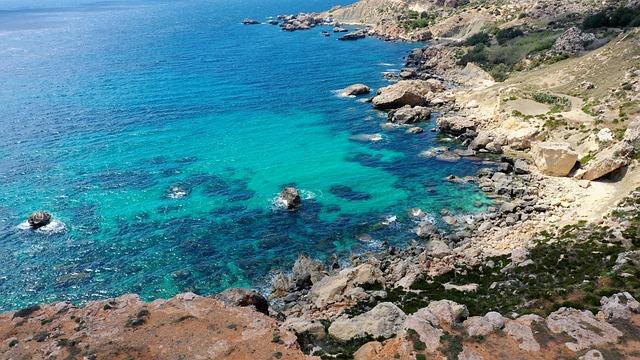
As the Mediterranean sun casts its warm glow over the archipelago of Malta, a wave of interest from international travelers is surging towards this historic gem. Known for its stunning coastlines, rich history, and vibrant culture, Malta is fast becoming a top destination for those seeking a blend of relaxation and adventure. However, before you pack your bags and head to this picturesque island, there are crucial insights to consider that can enhance your experience. From understanding local customs to navigating the scenic landscapes, our comprehensive guide outlines the ten essential things you need to know before you embark on your journey to Malta. Whether you’re a first-time visitor or a seasoned traveler, this information will ensure a smooth and enriching exploration of Malta’s unique offerings.
Essential Travel Tips for Navigating Malta’s Unique Culture
Malta’s rich tapestry of history, culture, and traditions makes it a fascinating destination, but it’s essential to be aware of certain social nuances to ensure a respectful and enjoyable visit. Greetings are very important; a simple ‘Ħello’ or ‘Bongu’ (good morning) when meeting locals can go a long way. This small gesture signifies respect and opens the door to warm interactions. Additionally, dress modestly, especially when visiting churches and sacred sites, where covering shoulders and knees is a must. This consideration reflects both cultural sensitivity and appreciation for Malta’s religious heritage.
Dining is another integral aspect of Maltese culture. When enjoying a meal, it’s customary to wait for the host to start before diving in; this reflects the communal spirit typical of Maltese hospitality. In terms of tipping, it’s common to round up the bill by a small amount or leave 10% in restaurants if service is not included. For those seeking to immerse themselves fully in local life, participating in festas, traditional village feasts held throughout the summer, is highly recommended. These events showcase local food and music, offering an authentic glimpse into Maltese traditions and social life.
Understanding Malta’s Rich History and Architectural Wonders
Malta boasts a tapestry of history woven through its stunning architecture, reflecting influences from various civilizations that have left their mark on the islands. The Neolithic temples of Mnajdra and ĦaÄ¡ar Qim are among the world’s oldest free-standing structures, dating back over 5,000 years and offering insight into prehistoric life. Visitors can explore the fortifications of Valletta, a UNESCO World Heritage site, which served as the stronghold of the Knights of St. John-where each corner reveals a story of military strategy and artistic mastery.
The blend of Baroque, Renaissance, and Romanesque styles creates a unique architectural landscape, making walking through towns like Mdina a visually enriching experience. Notable landmarks include the St. John’s Co-Cathedral, famous for its opulent interior and Caravaggio masterpieces, and the Grand Master’s Palace, which displays an impressive array of armor and history. Here are some architectural highlights you shouldn’t miss:
| Architectural Wonder | Location | Significance |
|---|---|---|
| Megalithic Temples | ĦaÄ¡ar Qim, Mnajdra | World’s oldest structures |
| St. John’s Co-Cathedral | Valletta | Baroque architecture, Caravaggio art |
| Grand Master’s Palace | Valletta | Historical significance, armory display |
| Fort St. Angelo | Birgu | Defensive stronghold |
A Guide to Malta’s Culinary Scene and Local Delicacies
Exploring Malta’s culinary scene offers a delightful journey through its rich history and diverse influences. The Mediterranean island is a melting pot of flavors, with dishes that reflect a combination of Sicilian, North African, and British elements. Visitors should not miss the chance to savor local specialties such as pastizzi, flaky pastries filled with ricotta or peas, and fenkata, a traditional rabbit stew seasoned with garlic and red wine. Seafood is also a star attraction, especially the lampuki (dorado fish) caught fresh from the surrounding waters, often grilled to perfection and served with a drizzle of olive oil and lemon.
Street food plays an essential role in Maltese culture, contributing to the vibrant atmosphere of local markets and festivities. Sample the popular ħobż biż-żejt, a traditional Maltese bread slathered with olive oil, tomato paste, and filled with local cheeses and vegetables. For a true taste of Malta, indulge in desserts like imqaret, deep-fried date pastries that delight the senses with their sweet filling. Here’s a quick overview of must-try dishes:
| Dishes | Description |
|---|---|
| Pastizzi | Flaky pastries filled with ricotta cheese or peas. |
| Fenkata | Traditional rabbit stew cooked in red wine and herbs. |
| Ħobż Biż-Żejt | Bread with olive oil, tomato paste, and fillings. |
| Lampuki | Fresh fish, typically grilled and drizzled with lemon. |
| Imqaret | Deep-fried pastries stuffed with dates. |
To Wrap It Up
As you prepare for your journey to Malta, keeping these ten essential insights in mind can enhance your experience and ensure a more rewarding visit. From navigating the island’s rich cultural tapestry to understanding its unique traditions, these tips provide a foundation for meaningful exploration. Whether you’re drawn by the allure of its historic cities, spectacular coastlines, or delectable cuisine, Malta promises a diverse and captivating adventure. Remember, the key to truly appreciating this Mediterranean gem lies in embracing its local customs and engaging with its vibrant communities. With an open mind and a spirit of curiosity, you’re set to uncover all that Malta has to offer. Safe travels!










