
The U.S. Support for Deep-Sea Mining: Balancing Economic Benefits and Environmental Risks
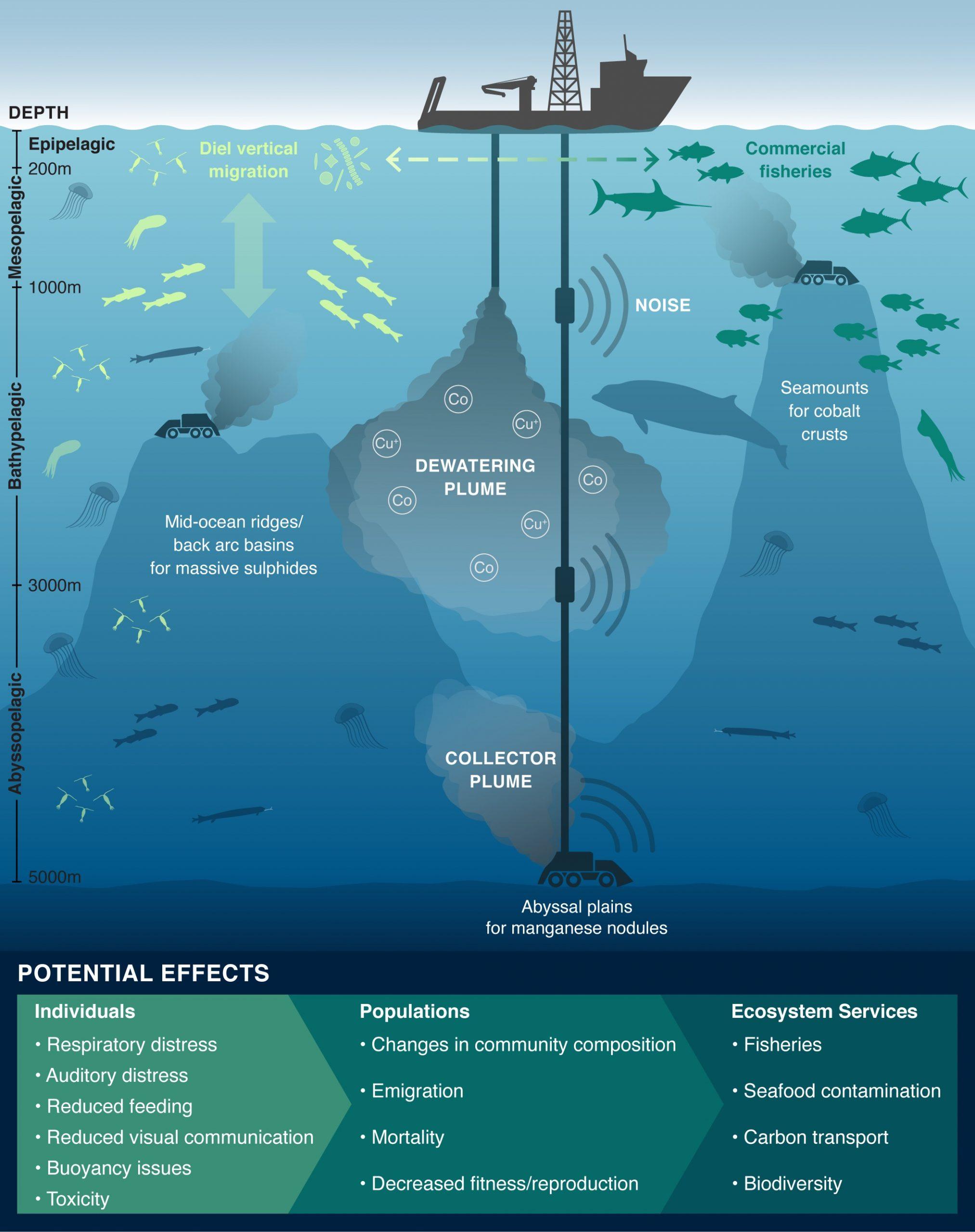
In a significant development for the burgeoning field of deep-sea mining, the United States government has expressed its support for a controversial initiative aimed at exploring mineral-rich seabeds near American Samoa. This project, which aims to tap into valuable resources such as rare earth metals, has sparked heated debates among environmentalists, legal experts, and local communities. Critics raise serious concerns about the potential ecological impacts on sensitive marine ecosystems and the dangers associated with unregulated resource extraction. As the U.S. moves forward with this ambitious plan, discussions surrounding economic opportunities versus environmental stewardship are expected to intensify in the coming months. This article delves into the intricacies of this proposed exploration, examines the legal frameworks governing deep-sea mining activities, and explores broader implications for biodiversity as well as indigenous rights within Pacific territories.
Economic Benefits Versus Environmental Risks in Deep-Sea Mining
The endorsement of deep-sea mining initiatives by the U.S. government around American Samoa has ignited considerable debate that highlights an essential conflict between economic ambitions and ecological responsibility. Proponents argue that tapping into mineral wealth from ocean floors could yield transformative economic advantages such as:
- Job Creation: The formation of a mining industry could lead to numerous employment opportunities in maritime technology and resource management.
- Resource Independence: Gaining access to vital minerals like cobalt and rare earth elements may reduce reliance on foreign suppliers.
- Technological Innovation: Investment in underwater technologies could drive advancements beneficial across multiple sectors.
On the other hand, opponents express profound concerns regarding potential environmental degradation resulting from these operations. The delicate ecosystems inhabiting ocean floors-many still not fully understood-could face irreversible damage due to mining activities. Key issues raised include:
- Ecosystem Disruption: Mining operations may disturb or destroy unique marine habitats.
- Toxic Pollution Threats: Disturbances caused by seabed extraction can release harmful substances detrimental to marine life.
- Persistent Ecological Consequences:The long-term effects of such actions might remain unknown until it is too late to address them effectively.
This clash of viewpoints underscores an urgent need for comprehensive regulatory frameworks alongside thorough environmental assessments before any initiatives aimed at exploiting these resources proceed further. Achieving equilibrium between realizing potential economic benefits while protecting fragile ecosystems is more critical than ever before.
Heightened Scrutiny of Legal Regulations Amid Growing Opposition to Mining Plans
The increasing opposition against proposed mining projects near American Samoa has led to intensified scrutiny over existing legal regulations governing this contentious practice. Environmental advocates argue that current laws inadequately address long-term ecological impacts associated with deep-sea mining-especially within biodiverse regions like those surrounding American Samoa. Critics are raising alarms about possible violations of marine protection laws if these operations move forward without comprehensive environmental evaluations being conducted first.
The complex interplay among local, national, and international regulations complicates decision-making processes further; thus prompting calls for an approach prioritizing sustainability over exploitation.
A shift in public sentiment is evident as community leaders alongside conservationists advocate for stricter legislative measures designed effectively protect marine environments.
- Biodiversity Concerns: Fears regarding irreversible harm inflicted upon unique underwater ecosystems persist.
- Demand for Transparency:Calls are increasing for greater openness throughout regulatory processes related to these initiatives.
- Cultural Rights Considerations:< / strong>A dialogue concerning indigenous communities’ rights affected by such ventures must be initiated promptly.
| National Environmental Policy Act (NEPA) | U.S Federal Government | Environmental assessment requirements |
| Marine Protection Research & Sanctuaries Act | U.S Federal Government | < td >< b style="">Protection measures targeting Marine Ecosystems
| < b style = ""Habitat Destruction"" /> | Mining operations can lead irreversible damage underwater ecosystems./ td /> |
| < b style = ""Pollution"" /> | Release toxic substances affecting both human health aquatic life./ td /> |
| < b style = ""Climate Change"" /> | Disruption carbon sinks exacerbating global warming effects./ td /> |










